
Initial Inspection
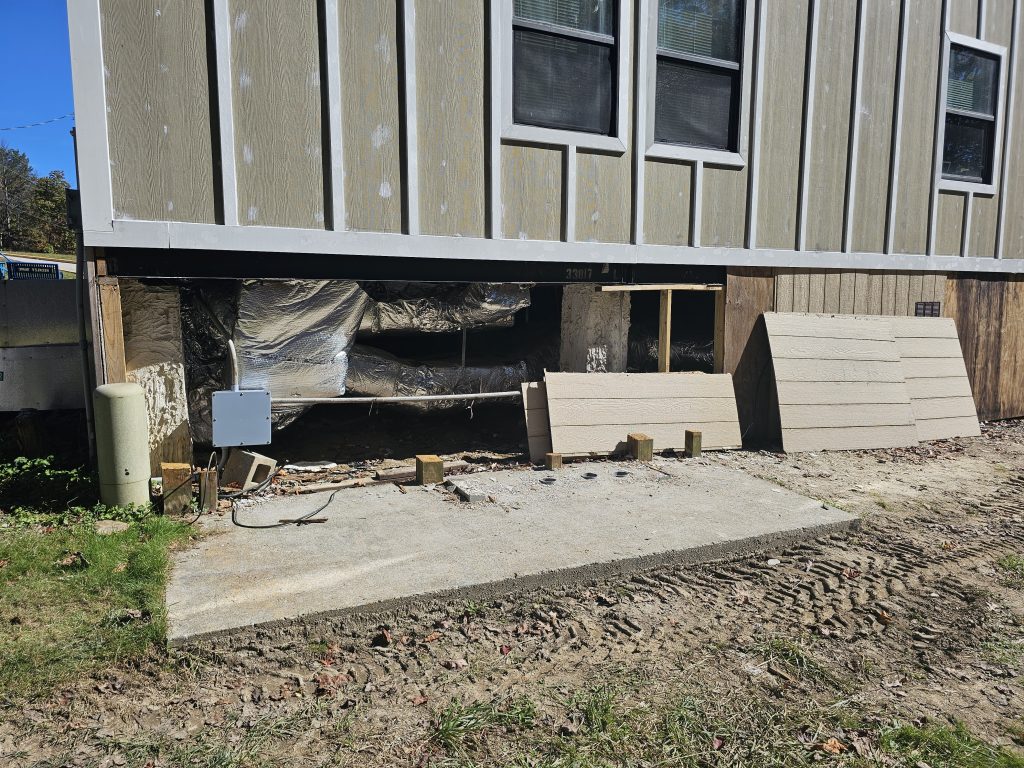
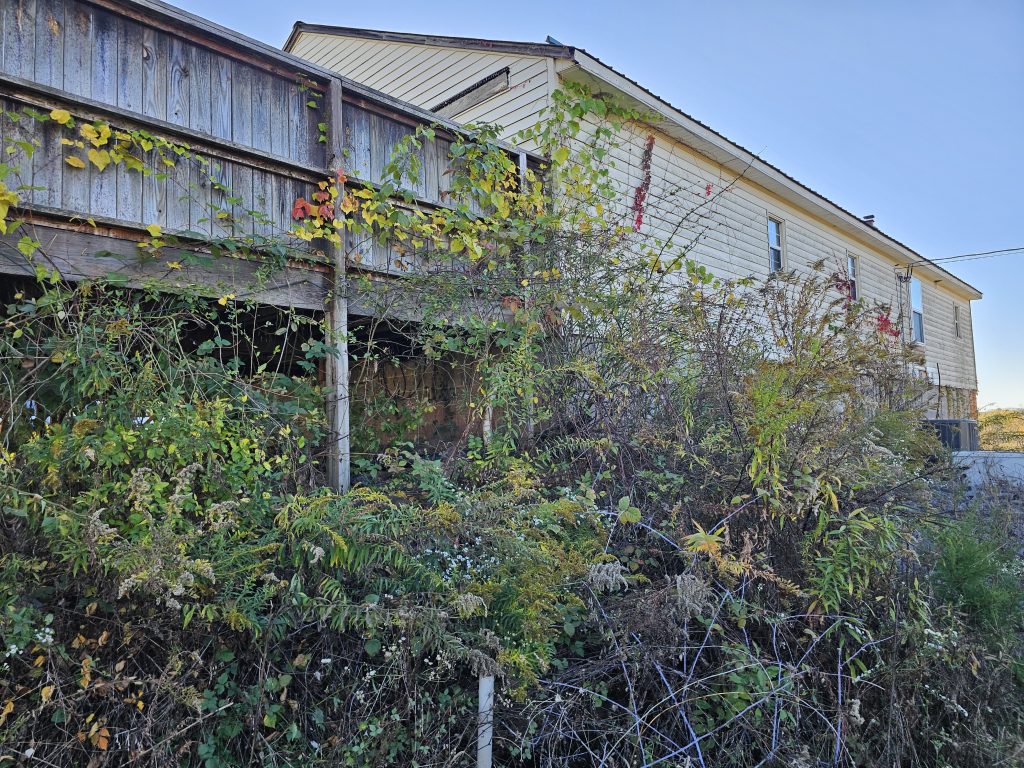
Our trained technicians will inspect your home or business to locate any conducive pest conditions and identify the species, entry and/or harborage areas.
Pest Control WV will determine the treatment method based on species and findings during the inspection. Treatment and Cost depends on species and infestation.

Over-Wintering Pest Service
Pest Control WV will determine the best treatment method based on the results of the inspection.
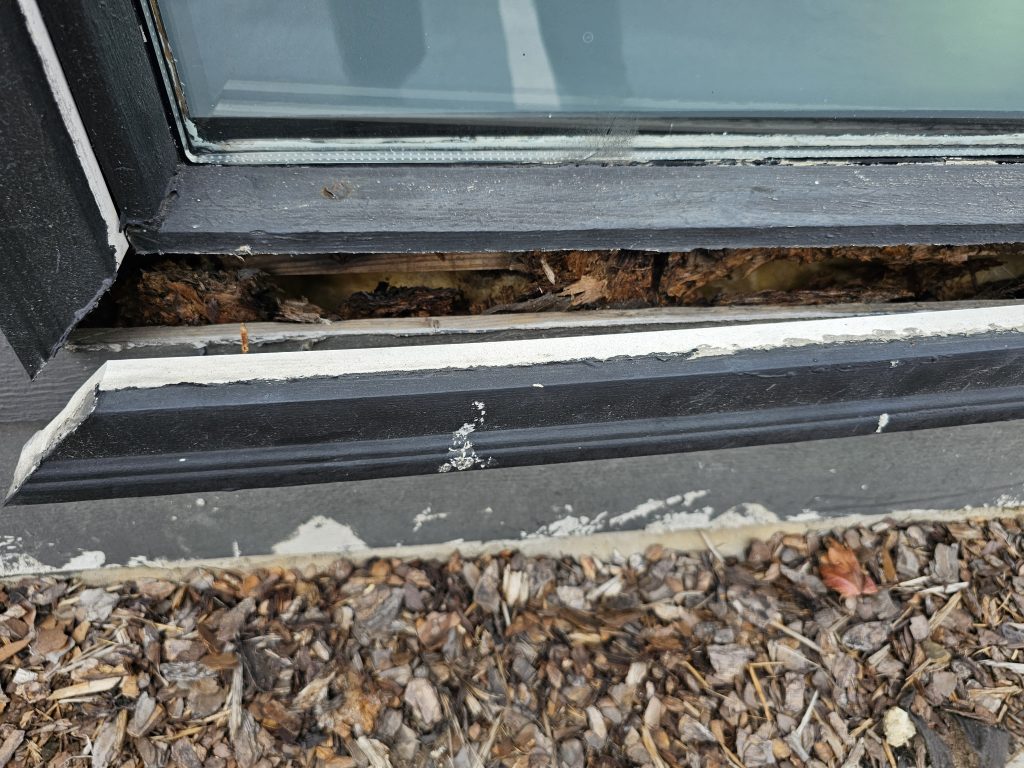
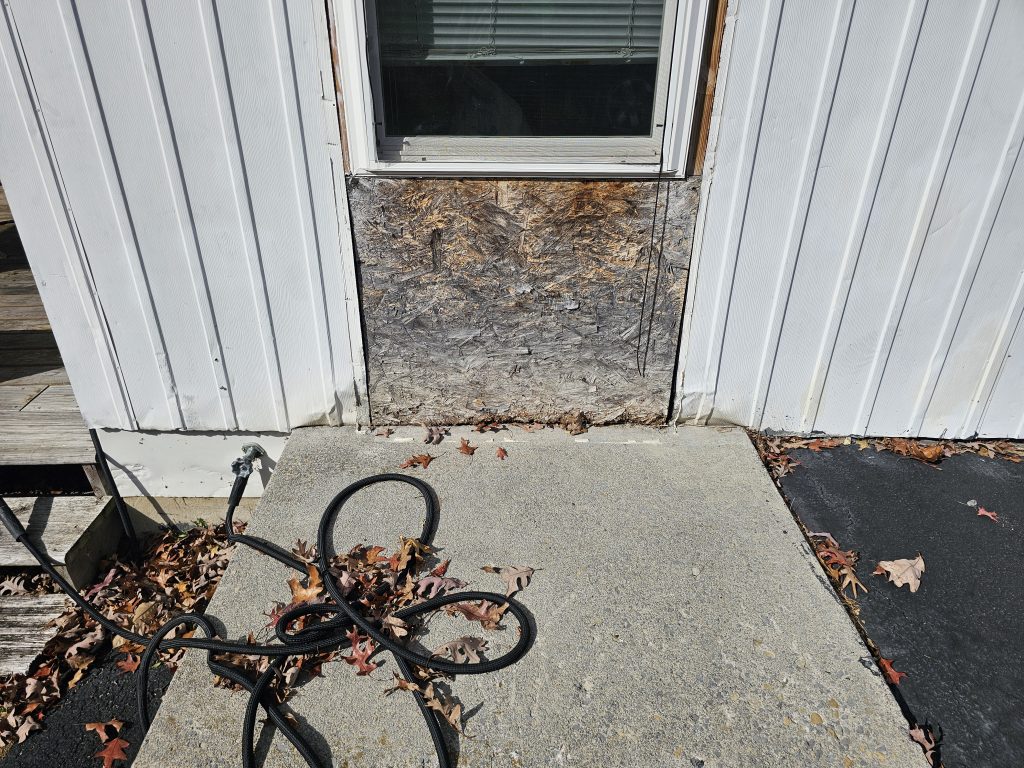
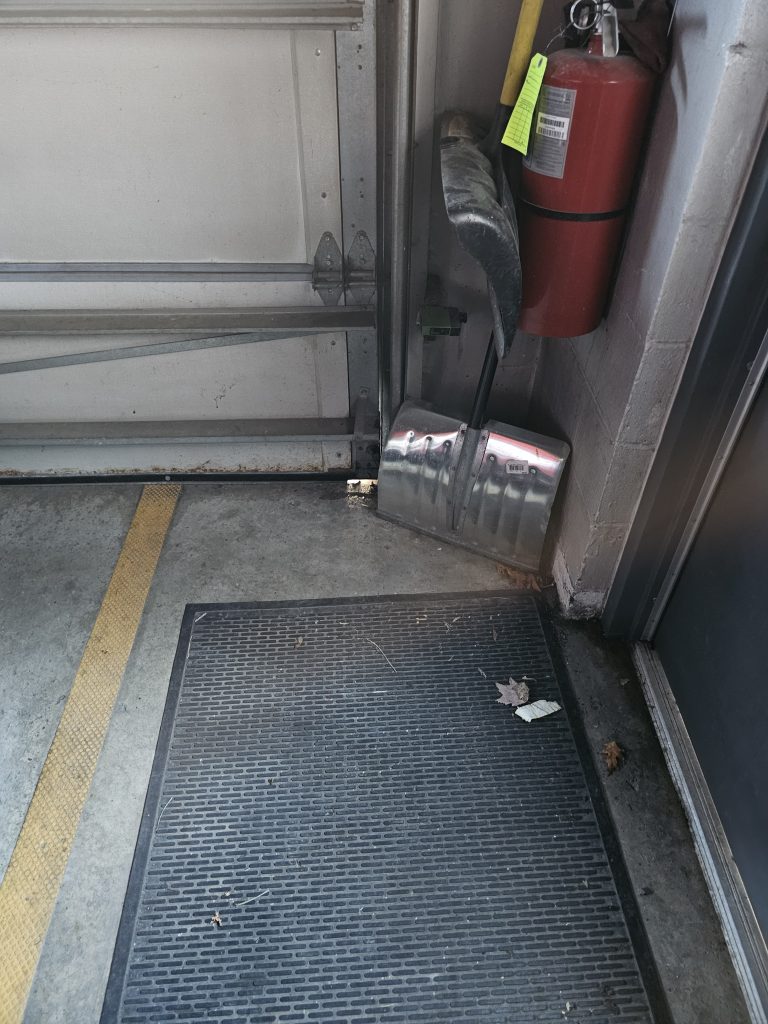
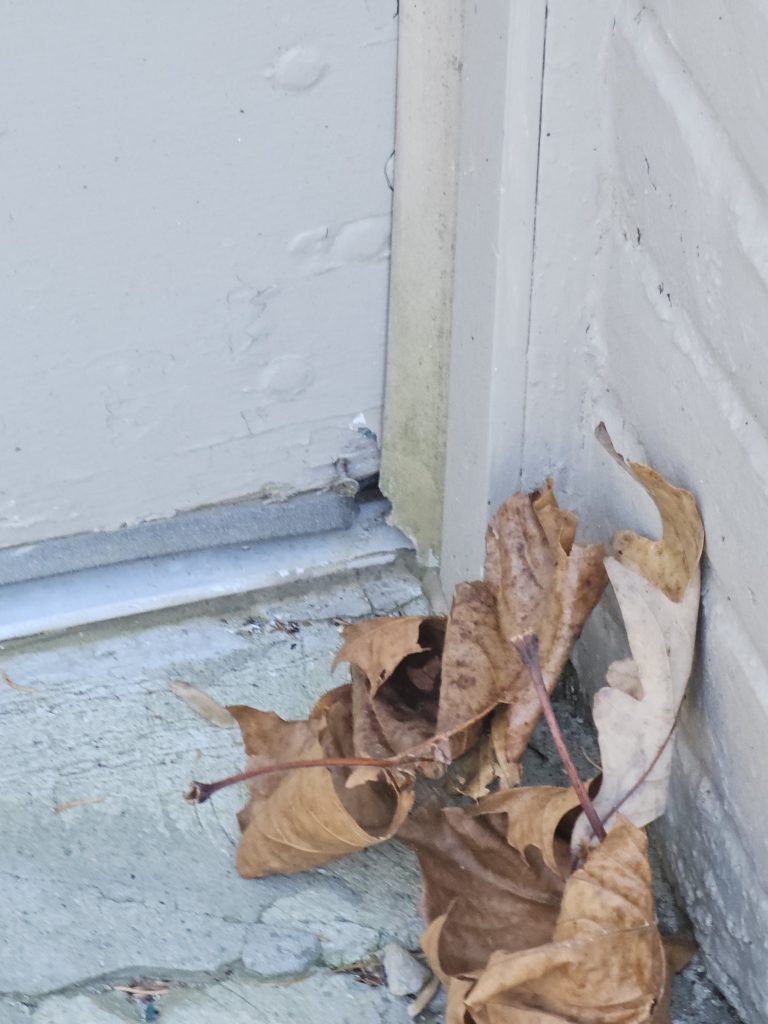
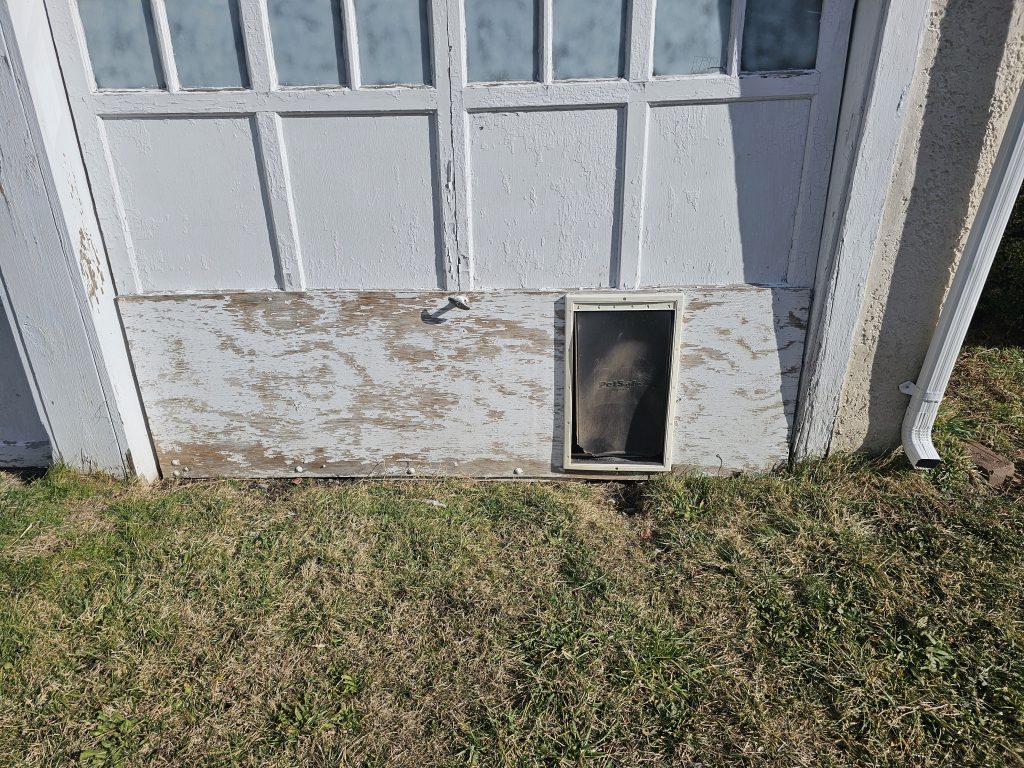
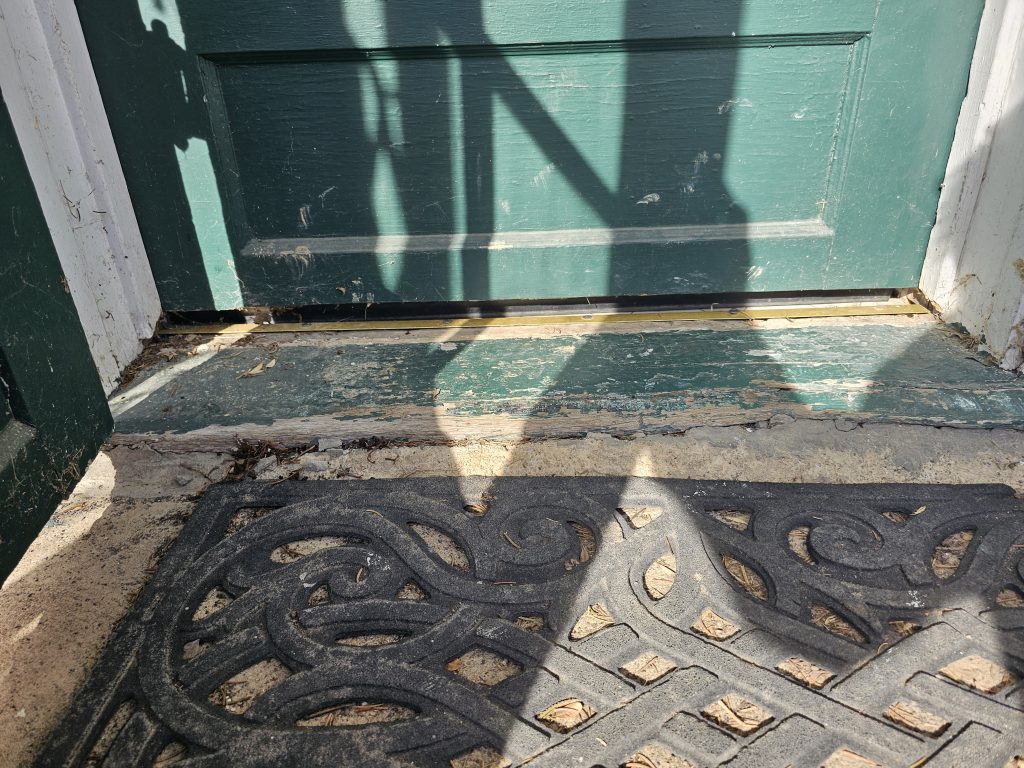
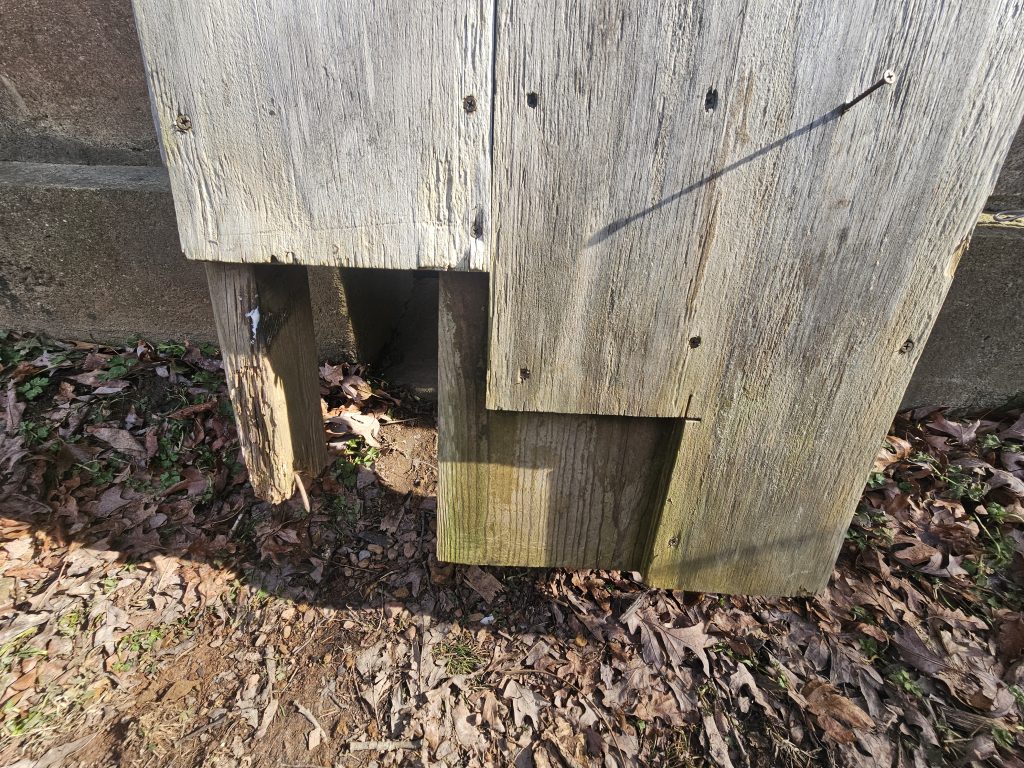
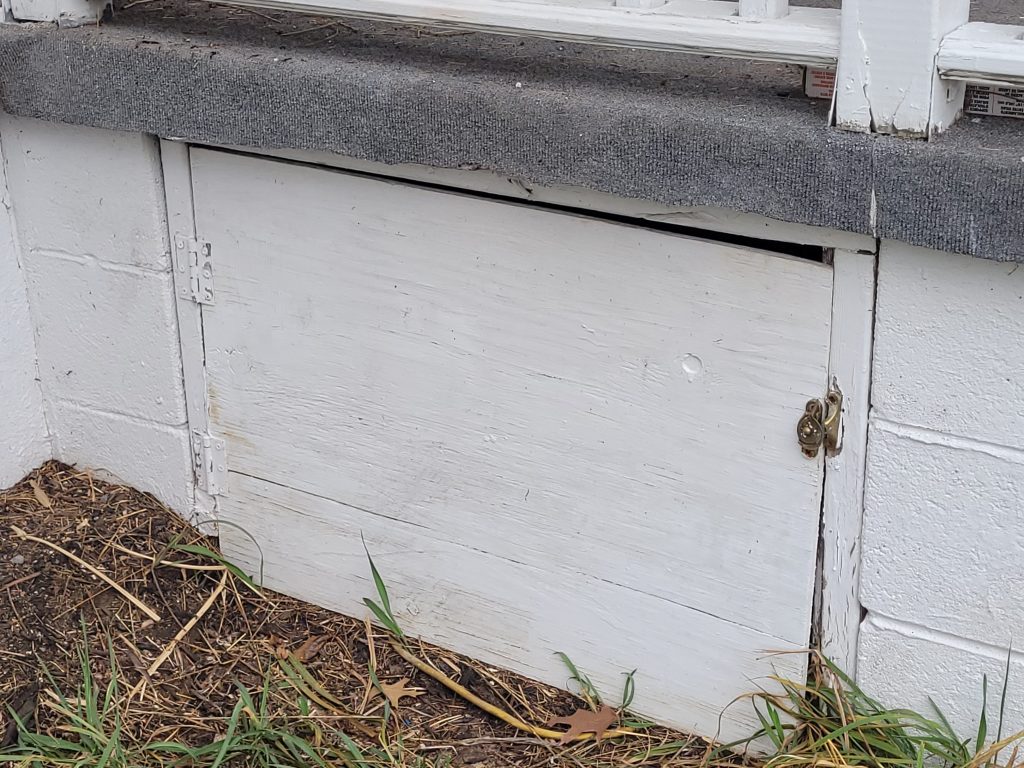
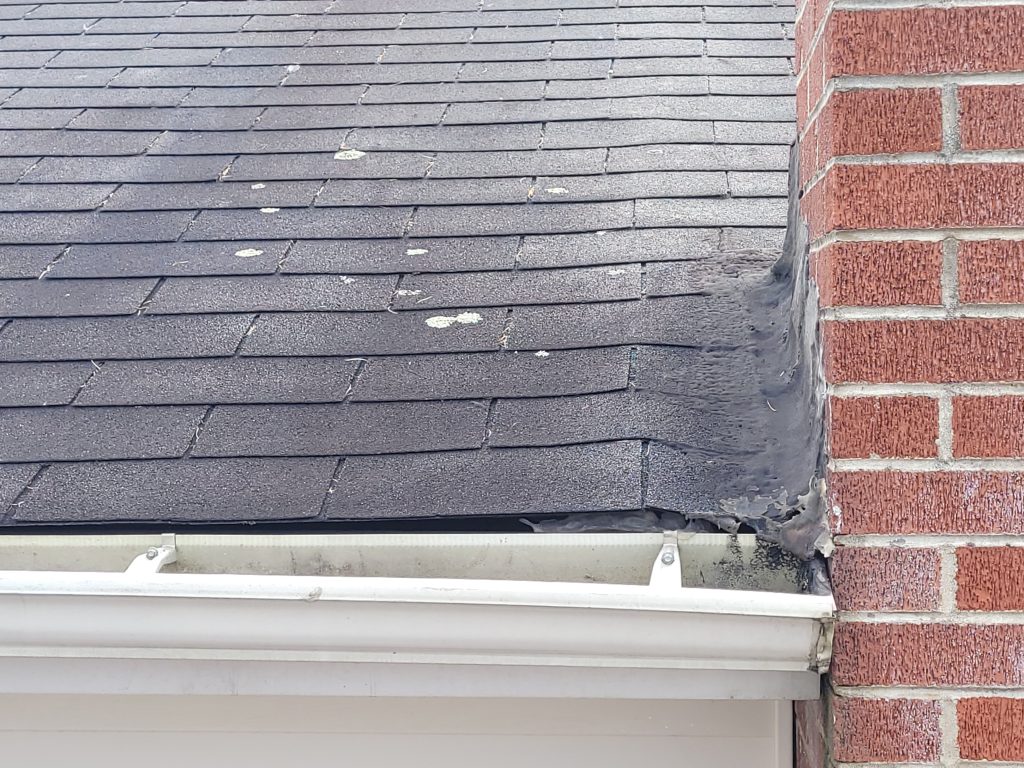
Most often, over-wintering pests are gaining access or have gained access through a structural gap or crack which will need repaired and/or monitored with pest service to prevent future outbreaks.

Follow Up & Prevention
Pest Control WV typically offers a few options, including one-time services and ongoing residential or commercial pest control plans
We will let you know our thoughts on how the infestation started based on the inspection and information given. We will then give you tips to prevent future outbreaks.
or

Stress Free Guarantee
Pest Control WV guarantees our pest plans with our 365 Guarantee
We continually evaluate our technicians, tools, products and methods to ensure we are competing with the industry's best available on the market. In addition, we offer recommendations and photos on our after-service work order reports.
Over-Wintering Pest Solutions for Your Home & Business
Some common house flies or a stink bug or two in the home are common. However, which since there are a few different species of over-wintering pests, we always like to schedule a Free Inspection in order to identify the species and provide a recommendation for treatment and ongoing prevention.
OVERWINTERING PEST CONTROL IN WEST VIRGINIA
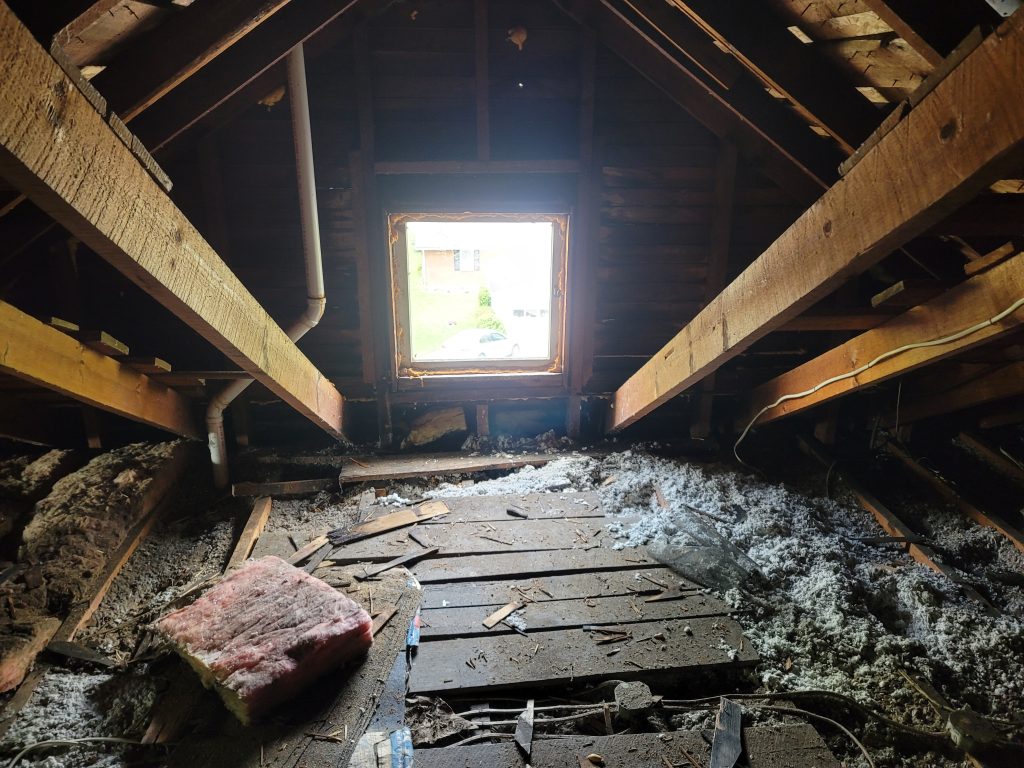
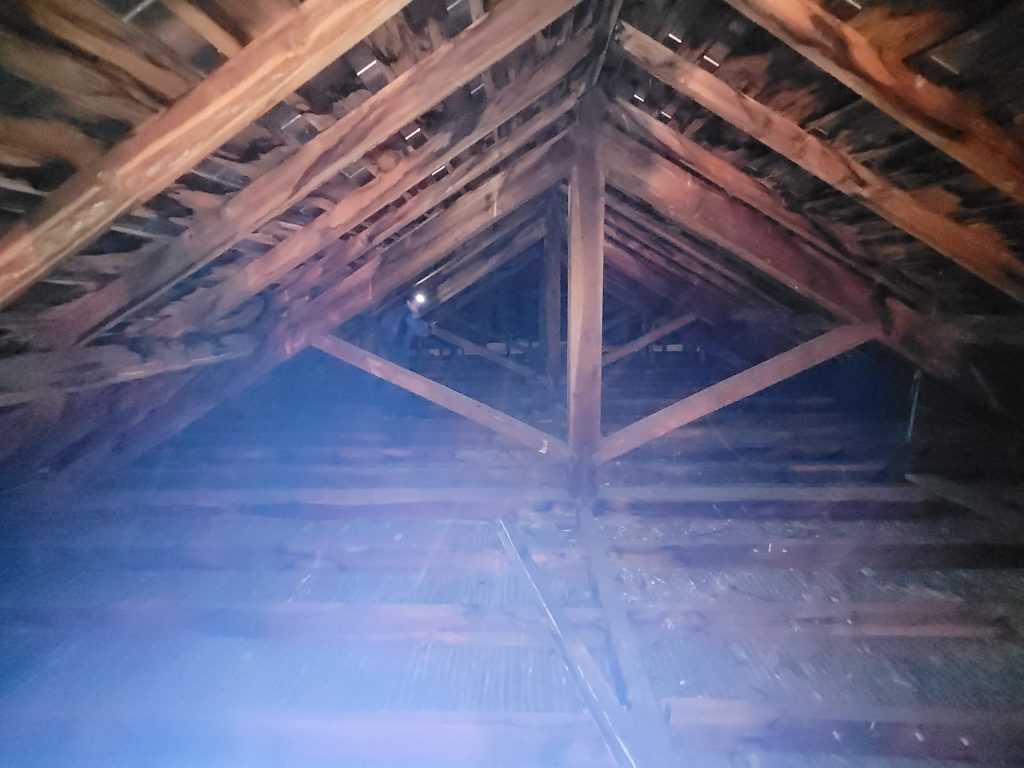
Each autumn, as temperatures drop in West Virginia, a range of insects begin searching for protected overwintering sites — and the walls, attics, and crawlspaces of your home are prime real estate. Left unaddressed, overwintering pests can accumulate in massive numbers inside the building envelope, creating a prolonged nuisance through late winter and spring as they attempt to exit the structure.
COMMON OVERWINTERING PESTS IN WV
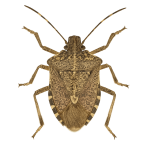
Brown Marmorated Stink Bug: Arguably the most impactful overwintering pest in WV. Populations have exploded across the state over the past decade. They enter through virtually any gap in the exterior in September and October, aggregate inside wall voids and attics, and re-emerge through interior gaps in late winter.
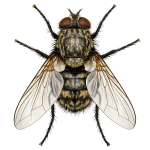
Cluster Flies: Large, sluggish flies that gather on sun-warmed exterior walls in fall before pushing inside. They emerge in mid-winter and early spring, often confused with house flies by homeowners.
Boxelder Bugs: Bright red and black bugs that feed on boxelder, maple, and ash trees. In fall they migrate to warm, sun-exposed structures and push inside through gaps in the exterior.
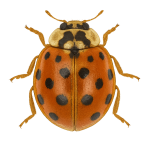
Multi-Colored Asian Lady Beetles: A nuisance lookalike for the native ladybug. Aggregates in large numbers on light-colored exterior walls in October and seeks entry into attics and wall voids. Emits a foul odor when disturbed.
Western Conifer Seed Bugs: A brown, elongated bug often mistaken for a stink bug. Feeds on conifer seeds outdoors, then seeks overwintering shelter in structures.
HOW THEY ENTER YOUR HOME
All of these species exploit the same structural vulnerabilities:
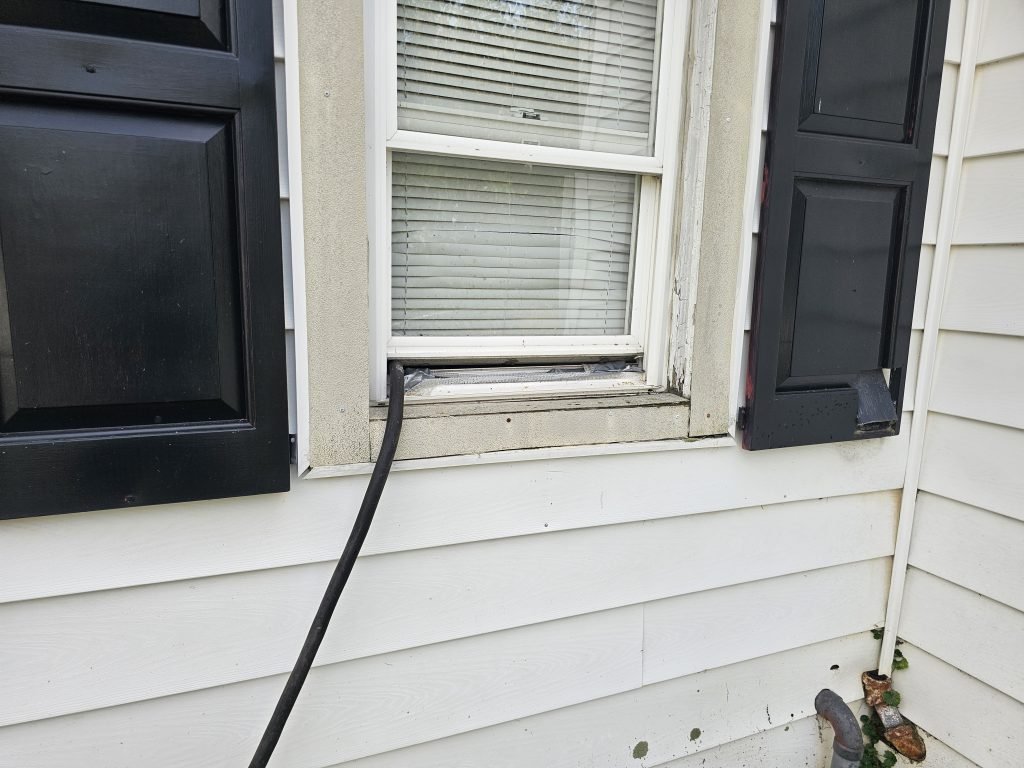
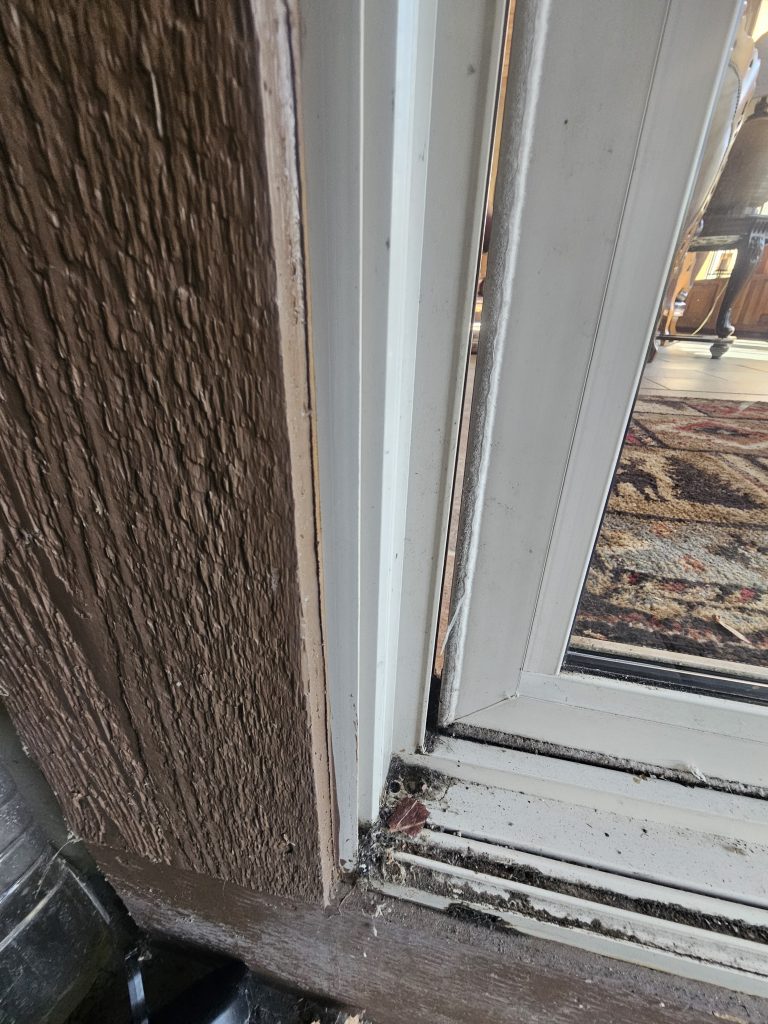
- Gaps around window and door frames
- Gaps behind siding and under fascia boards
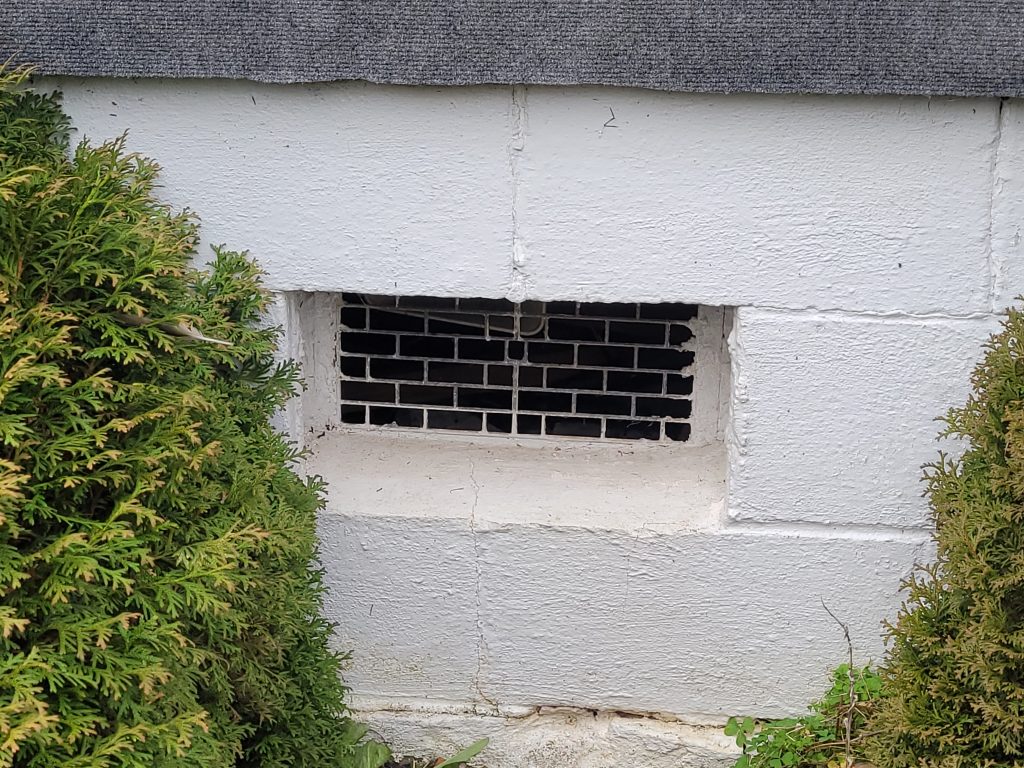
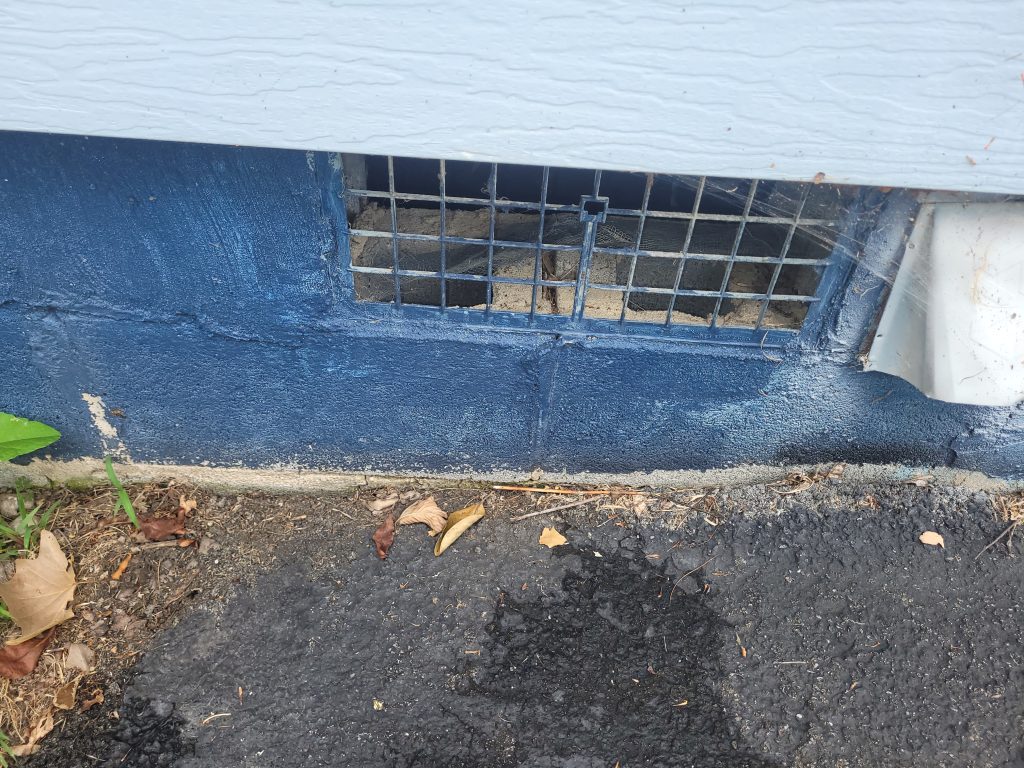
- Attic, gable, and ridge vents without fine mesh screens
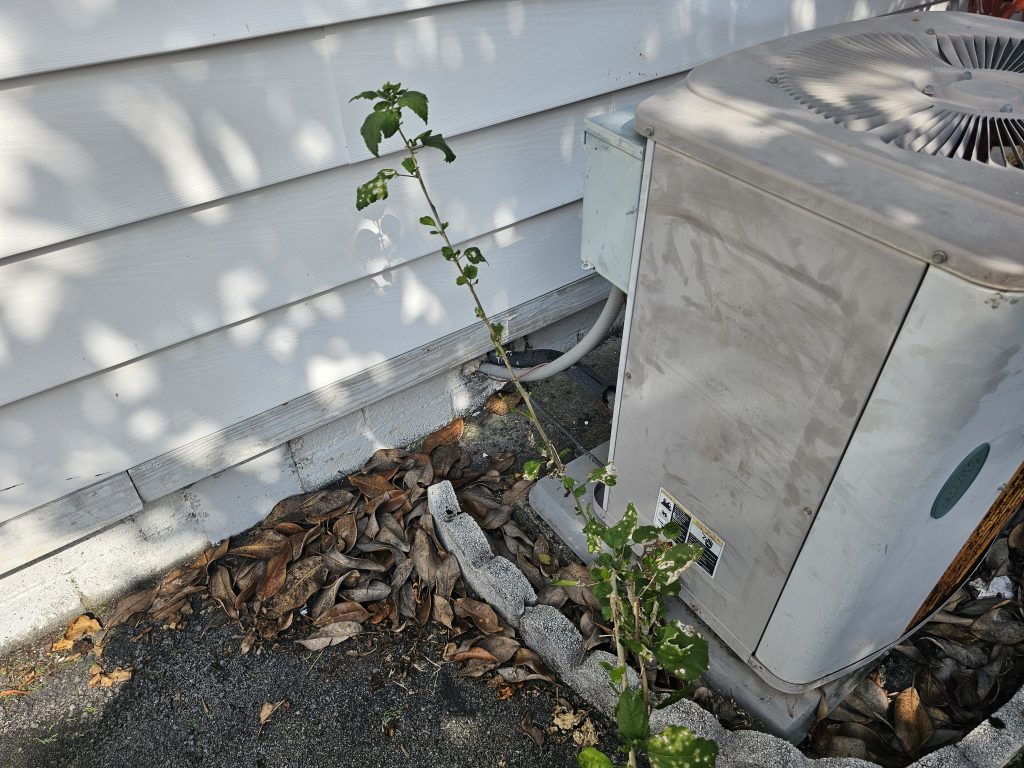
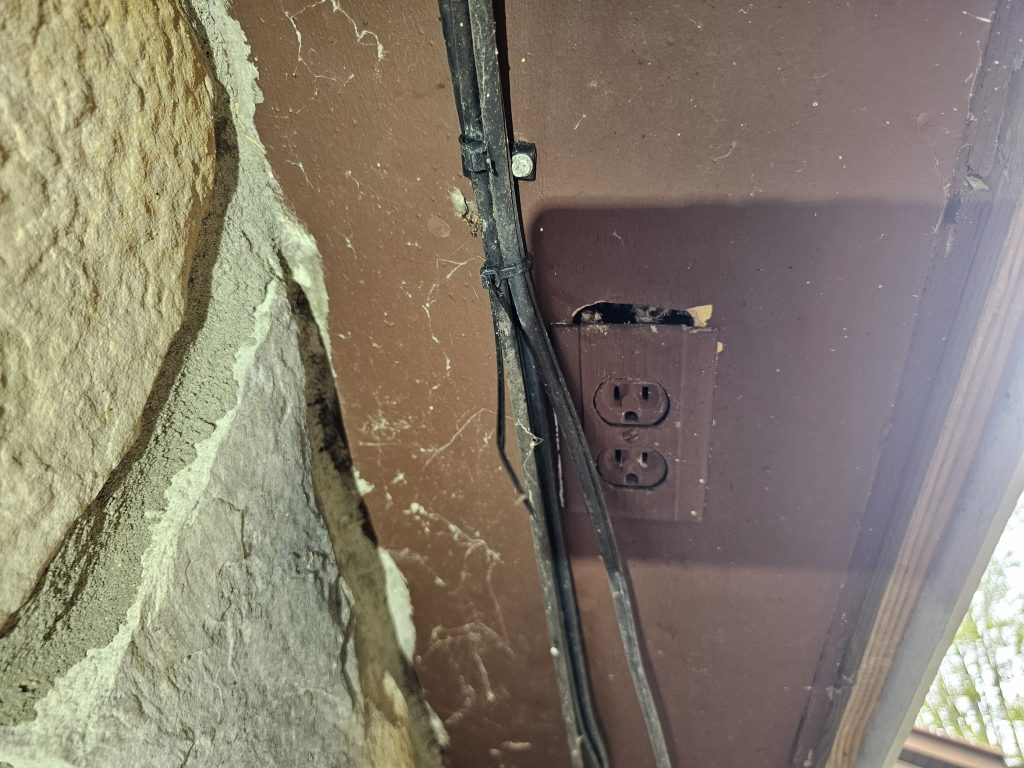
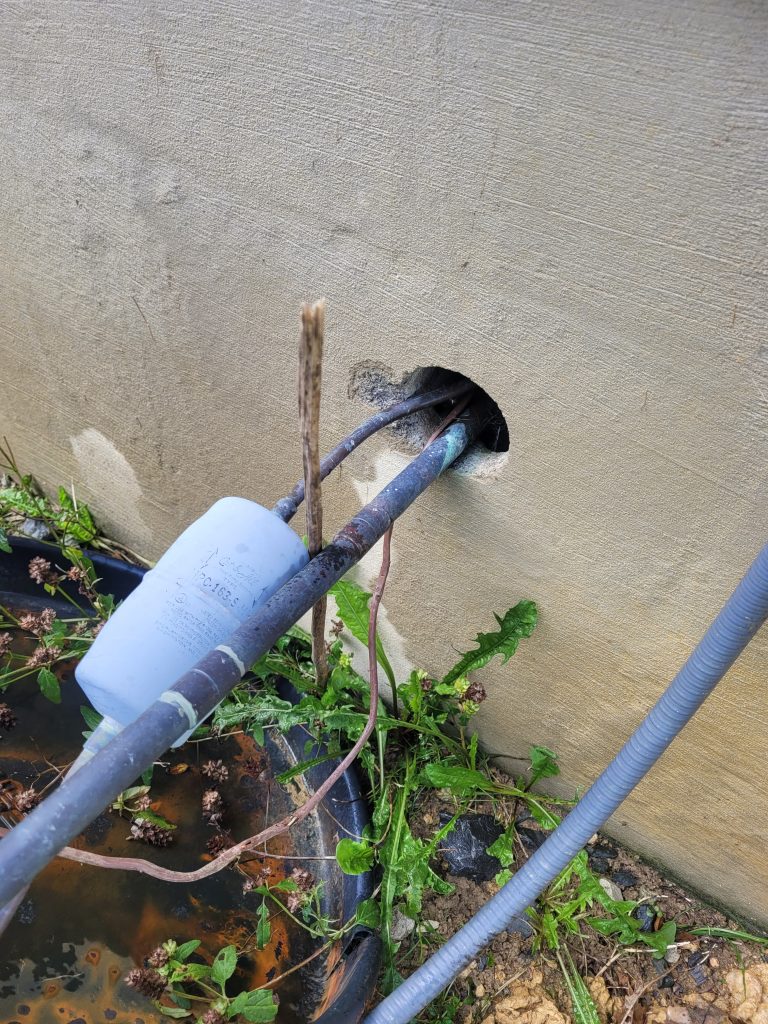
- Utility penetrations in the exterior wall
- Gaps at the sill plate
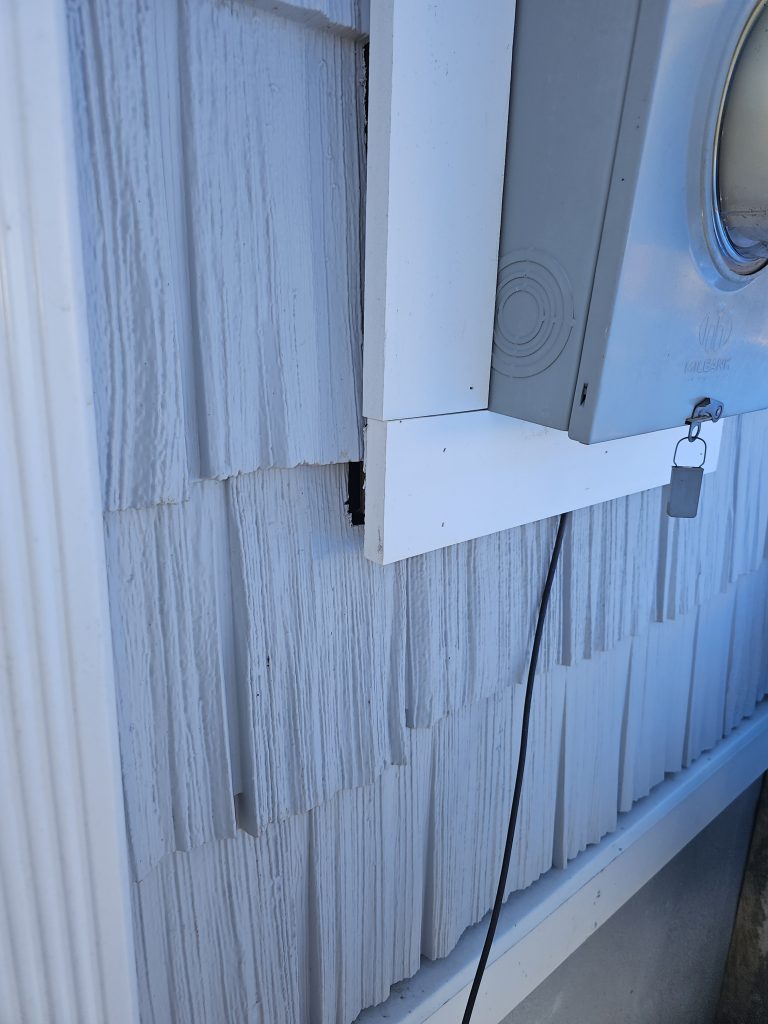
- Around exterior light fixtures and conduit
THE IDEAL TREATMENT WINDOW
The most effective time to prevent overwintering pest problems is late August through mid-September — before insects begin their aggregation behavior. Exterior residual treatments applied to the south- and west-facing walls at this time create a lethal barrier that insects contact as they approach the structure. Treatments applied in October after insects have already entered are far less effective.
HOW WE TREAT OVERWINTERING PESTS
Pest Control WV offers dedicated overwintering pest treatments as part of our seasonal service calendar. Late-summer exterior treatments target entry points and sun-warmed surfaces. For structures with established interior infestations, void treatments can be applied through the exterior envelope. We pair treatments with an exclusion inspection and provide recommendations to seal the primary entry points, reducing re-infestation in subsequent seasons.
Some Additional examples of Other types of Over-Wintering Pests + Occasional invaders Covered
Also common Over-Wintering Pests include:
- Rodents: Mice, rats may hide in basements or crawlspaces.
Invasive Over-Wintering Occassional Invaders
- Spotted Lanternflies: Highly invasive; their egg masses, which look like grey mud, survive winter on trees and structures.
Common Non-Overwintering Occasional Invaders in WV
- Centipedes & Millipedes: Attracted to moisture, often found in basements, bathrooms, and drain areas.
- Earwigs: Active at night, attracted to lights, and often enter during high moisture conditions.
- Silverfish: Feed on starches and sugars; often found in damp, dark areas.
- Crickets (Field/Camel/House): Enter homes seeking refuge from extreme outdoor temperatures.
- Pill Bugs/Sowbugs (Roly Polies): Common in damp, decaying organic matter around the foundation.
- Ground Beetles & Roaches: Occasional travelers looking for food.
Common Spider Invaders
- House Spiders: The most common spider found inside, often building webs in corners.
- Wolf Spiders: Large, fast-moving hunters that enter through gaps.
- Fishing Spiders: Large spiders often found near water sources or in dark, damp areas.
- Yellow Sac Spiders: Commonly found crawling on walls and ceilings.
Some examples of areas covered
- Pest Control in Residential Homes
- Pest Control In Air BnB and Rental Homes
- Pest Control in Apartments and Multi-Unit Housing
- Pest Control In Care Homes and Medical Facilities
- Pest Control in Club Houses and Halls
- Pest Control in Convenience Stores and Quick Service
- Pest Control in Courthouses and Government Buildings
- Pest Control In Factories and Warehouses
- Pest Control in Firehouses and Police Stations
- Pest Control in Food Production and Service
- Pest Control in Funeral Homes and Places of Worship
- Pest Control in Offices and Public Buildings
- Pest Control In Schools and Daycare Facilities
- Pest Control in Shopping Plazas and Storefronts
- and more...
Did You Know?
Over-wintering pests in West Virginia, such as stink bugs, asian lady beetles and boxelder bugs, do not actually "die off" when it gets cold. These pests enter a state of dormancy called diapause, often hiding within the structural voids of homes. These pests will seek out the south and west-facing sides of buildings, which tend to absorb the most heat, before finding cracks in siding, windows, and doors to enter and survive the winter.
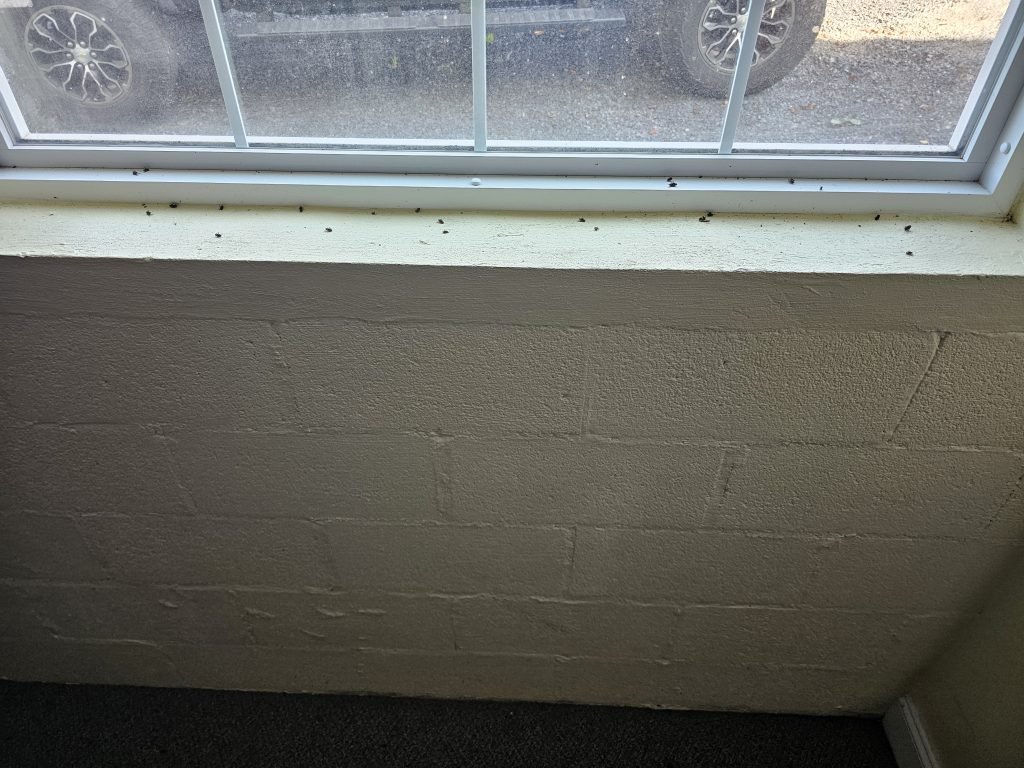
Mid-Winter "Invaders": When your HVAC system runs or the sun heats your home during a winter thaw, these dormant pests often wake up, get confused, and end up inside living areas (like windows and bedrooms) instead of returning outside.
The "Spot" to Watch: In WV, brown marmorated stink bugs, multi-colored Asian lady beetles, and boxelder bugs are the most common fall invaders, often gathering in massive, overwhelming numbers.
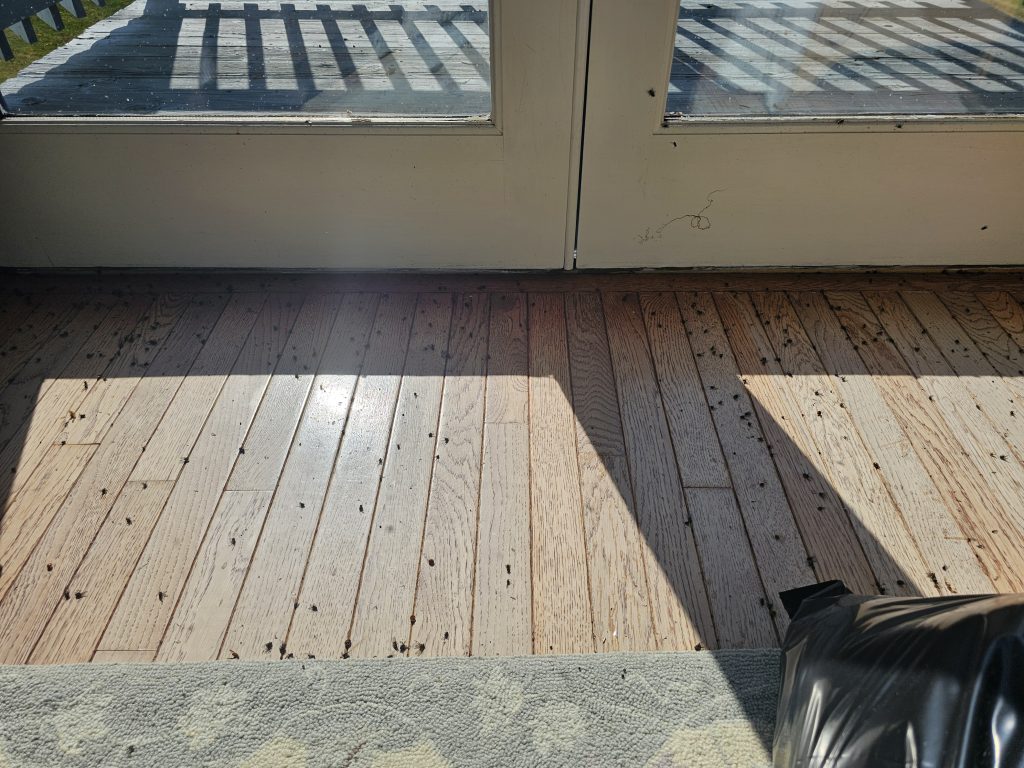
Cluster Flies: Unlike other insects, cluster flies originate as parasites inside earthworms. They are known for gathering in attics and wall voids in the fall, often leaving behind a "cluster" of dead bugs in the spring.
Rodents: (mice and rats) are major over-wintering threats in WV that do not just annoy, but can cause electrical fires by chewing wires in attics, basements, or crawlspaces.
Invasive: In West Virginia, the invasive spotted lanternfly is a significant concern, laying egg masses that survive the winter to hatch in spring.
Pro Tips
IPM Tip: The best time to act is in late summer or early fall, before they move in. Once they are inside your walls, they generally stay there until spring. Trying to kill them with insecticide inside walls is often ineffective or causes odor issues
- Seal Entry Points: Use silicone caulk on cracks in the foundation, siding, and gaps around windows and doors.
- Check Vents/Screens: Ensure soffit, dryer, and window screens are in good repair.
- Remove Clutter: Clear debris, mulch, and firewood away from the exterior foundation.
- Vacuuming: Use a vacuum to remove insects indoors (discard the bag afterward to avoid odor).
Free Inspections! Get Rid of Over-Wintering Pests Today!
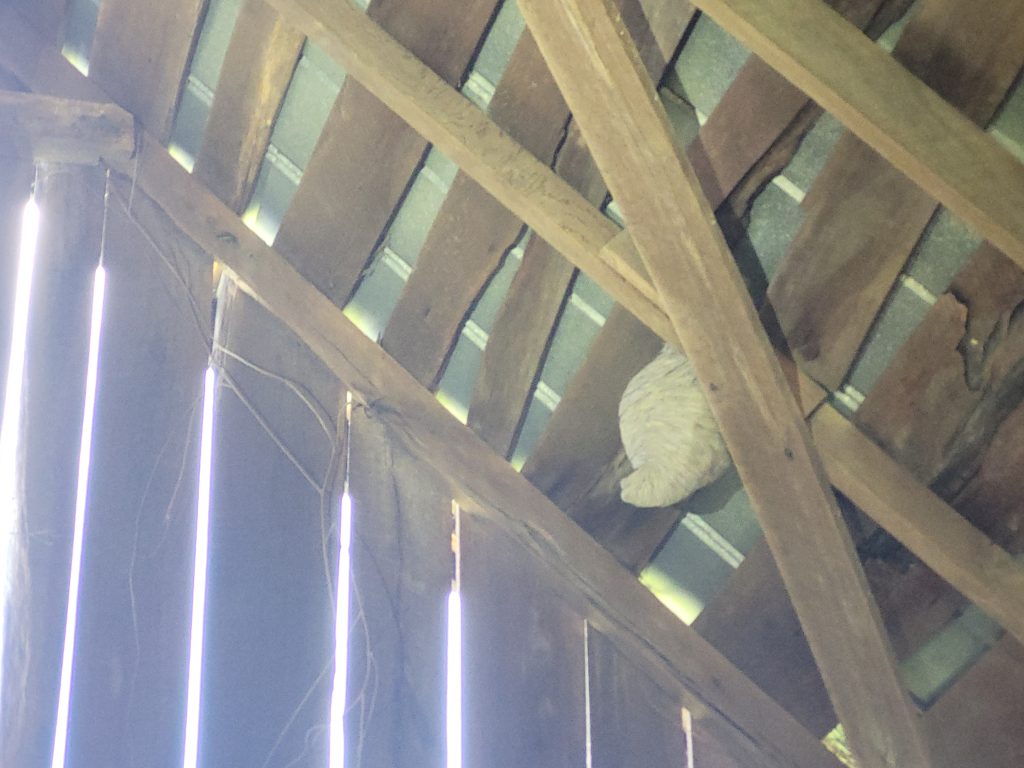
Pictures of Over-Wintering Pest Conducive Conditions