

Initial Inspection
Our trained technicians will inspect your home or business to locate any conducive pest conditions and identify if the pest is related to a pet, an animal pest or simply has been tracked in. Pest Control WV will determine the treatment method based on findings during the inspection. Time and Cost depends on species and infestation.

Tick Treatment
Pest Control WV will Treat and set monitors in areas that we suspect the ticks are established in numbers in order to determine current levels and proper treatment measurements. This information helps us to effectively manage pests quicker than Non-IPM approaches. We have many treatment options available to help work to eliminate even the toughest tick infestations in high traffic yards or outdoor spaces.

Follow Up & Prevention
Pest Control WV typically offers a few options, with or without a follow up. We will let you know our thoughts on how to best control the ticks long term based on the inspection and information given. We will then give you tips to prevent future outbreaks through routine property maintenance.
Changing habits, additional treatments at other locations, and animal intervention with tick medication and/or drops may be recommended for complete control.

Stress Free Guarantee
Pest Control WV guarantees their work. We continually evaluate our technicians, tools, products and methods to ensure we are competing with the industry's best available on the market. In addition, we offer a Free Pest Assessment, conducted during treatment, which can help to prevent future pest outbreaks with Ongoing Protection.
Flea Solutions for Your Home & Business
Ticks can be a nuisance. Here in West Virginia, you can never be too careful when venturing out into the woods. With tick-borne diseases such as Lyme Disease and Alpha-Gal Syndrome on the ride, we always like to schedule a Free Inspection in order to identify the pests and areas to be treated in order to provide the best plan for treatment and prevention.
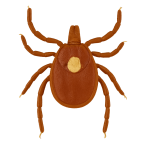
- Lone Star Tick (Amblyomma americanum): Highly common and aggressive, identified by a white spot on adult females. They inhabit dense woodlands and brushy areas.
- Blacklegged (Deer) Tick (Ixodes scapularis): Known for carrying Lyme disease, anaplasmosis, and babesiosis. They are small, chocolate-brown, and commonly found in forests and along wooded edges.
- American Dog Tick (Dermacentor variabilis): Common in areas with little or no tree cover, such as fields and roadsides. They primarily feed on dogs and humans.
- Asian Longhorned Tick (Haemaphysalis longicornis): An invasive species found in WV that feeds on livestock, wildlife, and people.
- Brown Dog Tick (Rhipicephalus sanguineus): Frequently found indoors and in kennels, feeding almost exclusively on dogs
TICK CONTROL IN WEST VIRGINIA
West Virginia consistently ranks among the top states in the nation for Lyme disease cases. The state's extensive forests, tall grass, and abundant deer population create prime habitat for the blacklegged (deer) tick, the primary carrier of Lyme disease. Effective tick control — both on your property and through personal protection — is a serious health concern for WV residents.
TICK SPECIES IN WEST VIRGINIA
Blacklegged Tick (Ixodes scapularis) — also called the deer tick — is the primary vector for Lyme disease, anaplasmosis, and babesiosis. Nymphs are the size of a poppy seed and are responsible for most Lyme transmissions. The American Dog Tick is larger, more visible, and transmits Rocky Mountain Spotted Fever. The Lone Star Tick is present in southern WV and can transmit ehrlichiosis and, in some cases, trigger alpha-gal syndrome (a red meat allergy).
TICK HABITAT ON YOUR PROPERTY
Ticks don't jump or fly — they wait on vegetation and latch on as a host brushes past. High-risk zones on residential properties include:
- The border between lawn and wooded or brushy areas ("the transition zone")
- Tall grass, leaf litter, and brush piles
- Along stone walls and fence lines
- Under decks and porches
- Areas where deer and wildlife travel through the yard
HOMEOWNER PREVENTION TIPS
1. Create a 3-foot wide barrier of wood chips or gravel between the lawn and wooded areas — ticks rarely cross dry, sunny zones.
2. Mow grass regularly and keep it short, especially along wooded edges.
3. Remove leaf litter, brush piles, and old furniture from the yard — prime tick resting habitat.
4. Stack firewood neatly and in a sunny location.
5. Install deer-proof fencing if deer pressure is high on your property.
6. After spending time outdoors, do a full body tick check — paying close attention to the scalp, behind the ears, armpits, groin, and behind the knees.
7. Shower within 2 hours of coming indoors and tumble dry clothes on high heat for 10 minutes.
8. Talk to your veterinarian about tick prevention for pets.
HOW WE TREAT FOR TICKS
Pest Control WV applies targeted tick control treatments to the high-risk transition zones on your property — the lawn-to-woods border, brush areas, and shaded zones. Treatments use residual pesticides effective against ticks at all active life stages. We also offer guidance on habitat modification to reduce tick pressure long-term. Seasonal programs keep protection active through peak tick season (spring through fall).
Some examples of areas covered
- Pest Control in Residential Homes
- Pest Control In Air BnB and Rental Homes
- Pest Control in Apartments and Multi-Unit Housing
- Pest Control In Care Homes and Medical Facilities
- Pest Control in Club Houses and Halls
- Pest Control in Convenience Stores and Quick Service
- Pest Control in Courthouses and Government Buildings
- Pest Control In Factories and Warehouses
- Pest Control in Firehouses and Police Stations
- Pest Control in Food Production and Service
- Pest Control in Funeral Homes and Places of Worship
- Pest Control in Offices and Public Buildings
- Pest Control in Shopping Plazas and Storefronts
- and more...
Did You Know?
Ticks are not insects, they are actually arachnids. This is because they will have 8 legs during maturity, having started with only 6 as a nymph. The can engorge themselves up to 100 times their normal size. The cannot fly or jump - instead they utilize tall grass/plants to attach to an animal or person passing by that it touches.
Additionally, Ticks can transmit disease, such as Lyme Disease and now also AGS (Alpha-gal syndrome) which can make people allergic to red meat. These transmissions often require attachment for 24-48 hours. Reactions from this can be allergic reactions, hives, vomiting, or even anaphylaxis. Always wear protection when out in the woods, and if you have pets, ensure they are treated according to veterinary recommendations to reduce exposure within your home.