
Initial Inspection
Our trained technicians will inspect your home or business to locate any evidence of fleas prior to service.
Pest Control WV will determine the best treatment plan and methods based on species and findings during the inspection. Time and Cost depends on size of space to be treated and visits required.

Flea & Tick Treatment
Pest Control WV will Treat and set monitors in areas that we suspect the Fleas are established in order to determine infestation levels and additional harborage areas. This information helps us to effectively manage pests quicker than Non-IPM approaches. If you have pets that are in/on the property as well, it is recommended they are on a treatment schedule recommended by their veterinarian.
We have many treatment options available to help work to eliminate even the toughest flea infestations in high traffic areas.

Follow Up & Prevention
Pest Control WV typically offers a few options, with or without a follow up. We will let you know our thoughts on how the infestation started based on the inspection and information given. We will then give you tips to prevent future outbreaks. If in a public space, staff and other occupants should be notified in case someone is bringing the pests into the property on a re-occurring basis.
Changing habits, additional treatments at other locations, and animal intervention with flea/tick medication and/or drops may be recommended for complete control.

Stress Free Guarantee
Pest Control WV guarantees their work. We continually evaluate our technicians, tools, products and methods to ensure we are competing with the industry's best available on the market.
In addition, we try and find the source of the fleas by conducting a client "interview" of a few questions, conducted during inspection or treatment, which can help to prevent future pest outbreaks.
Flea Solutions for Your Home & Business
Fleas are never a good sign. Sometimes they can be brought in on pets, while others they can hitch-hike on clothing. You don't want to continue to spread these pests! Act now and schedule a Free Inspection and treatment options to rid your home or business of fleas.
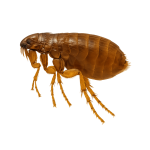
The common cat flea (Ctenocephalides felis): is the primary flea species found on both cats and dogs, often infesting homes and biting humans. These reddish-brown, wingless parasites feed on blood, cause intense itching (flea allergy dermatitis), and can transmit pathogens like Bartonella (cat scratch disease) and tapeworms
FLEA CONTROL IN WEST VIRGINIA
West Virginia's warm summers and heavily wooded landscape create ideal conditions for fleas. Pet owners are the most common victims, but fleas can infest a home even without pets — carried in by wildlife like raccoons, opossums, or deer that pass through the yard.
ABOUT FLEAS
Fleas are tiny (1/16 to 1/8 inch), wingless, dark brown insects with powerful hind legs built for jumping. The cat flea (Ctenocephalides felis) is the most common species found on dogs, cats, and humans in WV. A flea can jump up to 13 inches vertically and reproduce rapidly — a female lays up to 50 eggs per day.
HOW FLEAS ENTER YOUR HOME
- Pets that spend time outdoors pick up fleas from the yard, wooded areas, or contact with wildlife
- Wildlife (raccoons, squirrels, deer, foxes) that rest near or under the home leave flea eggs in the yard
- Used upholstered furniture or rugs
- Previously infested homes — flea pupae can remain dormant for up to 6 months waiting for a host
WHERE TO INSPECT
Check pet bedding, carpeted areas (especially along baseboards and under furniture), and anywhere pets spend time resting. Outside, inspect shaded areas under decks, porches, and crawlspace vents where wildlife may rest. Fleas prefer shade and humidity.
HOMEOWNER PREVENTION TIPS
1. Keep pets on a year-round veterinarian-recommended flea prevention program.
2. Vacuum frequently — especially in pet resting areas — and empty the vacuum outside immediately.
3. Wash pet bedding weekly in hot water.
4. Mow grass regularly and remove leaf litter and brush piles where wildlife shelter.
5. Use motion-activated deterrents or exclusion fencing to discourage wildlife from resting near the home.
6. When moving into a previously occupied home, treat for fleas even if no pets are present.
THE FLEA LIFE CYCLE — WHY TREATMENT IS COMPLEX
Adult fleas represent only about 5% of a flea infestation. The other 95% — eggs, larvae, and pupae — are hidden in carpets, cracks, and pet bedding. Killing adult fleas without addressing developing stages means the problem returns within weeks. Effective flea treatment must include an insect growth regulator (IGR) to break the life cycle, in addition to adulticide treatment.
HOW WE TREAT FLEAS
Pest Control WV treats both the interior and exterior for fleas. Interior treatment includes a thorough application to carpeted areas, baseboards, and pet resting zones using both an adulticide and an IGR. Exterior treatment targets shaded areas, under decks, and along the foundation. Please review our Flea Prep Sheet before treatment — vacuuming and washing bedding prior to service significantly improves results.
Some examples of areas covered
- Pest Control in Residential Homes
- Pest Control In Air BnB and Rental Homes
- Pest Control in Apartments and Multi-Unit Housing
- Pest Control In Care Homes and Medical Facilities
- Pest Control in Club Houses and Halls
- Pest Control in Convenience Stores and Quick Service
- Pest Control in Courthouses and Government Buildings
- Pest Control In Factories and Warehouses
- Pest Control in Firehouses and Police Stations
- Pest Control in Food Production and Service
- Pest Control in Funeral Homes and Places of Worship
- Pest Control in Offices and Public Buildings
- Pest Control In Schools and Daycare Facilities
- Pest Control in Shopping Plazas and Storefronts
- and more...
Did You Know?
Fleas are inherently blind and deaf, however they orient themselves using the Earths magnetic field. In early years, sailors lost at sea would use them to find their way.
Additionally, adult fleas are impressive jumpers, capable of leaping distances over 150X their height, and female fleas are frequent egg-layers, having up to 50 eggs a day, causing infestations to grow and spread rapidly.
Free Inspections! Get Rid of Fleas Today!
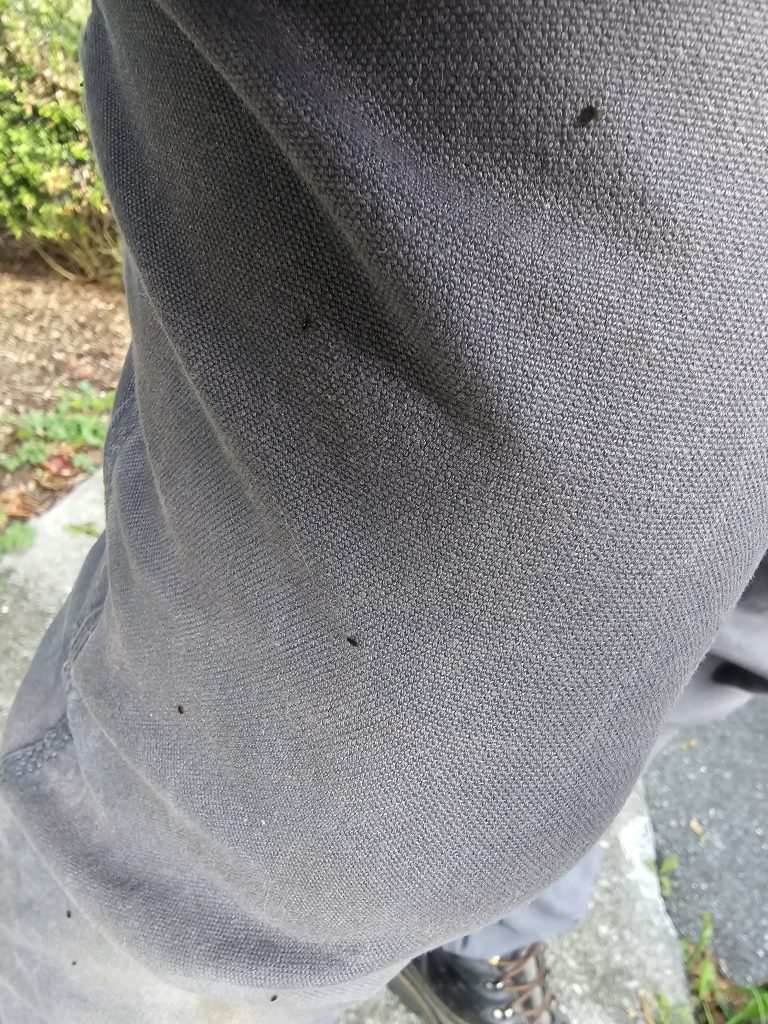
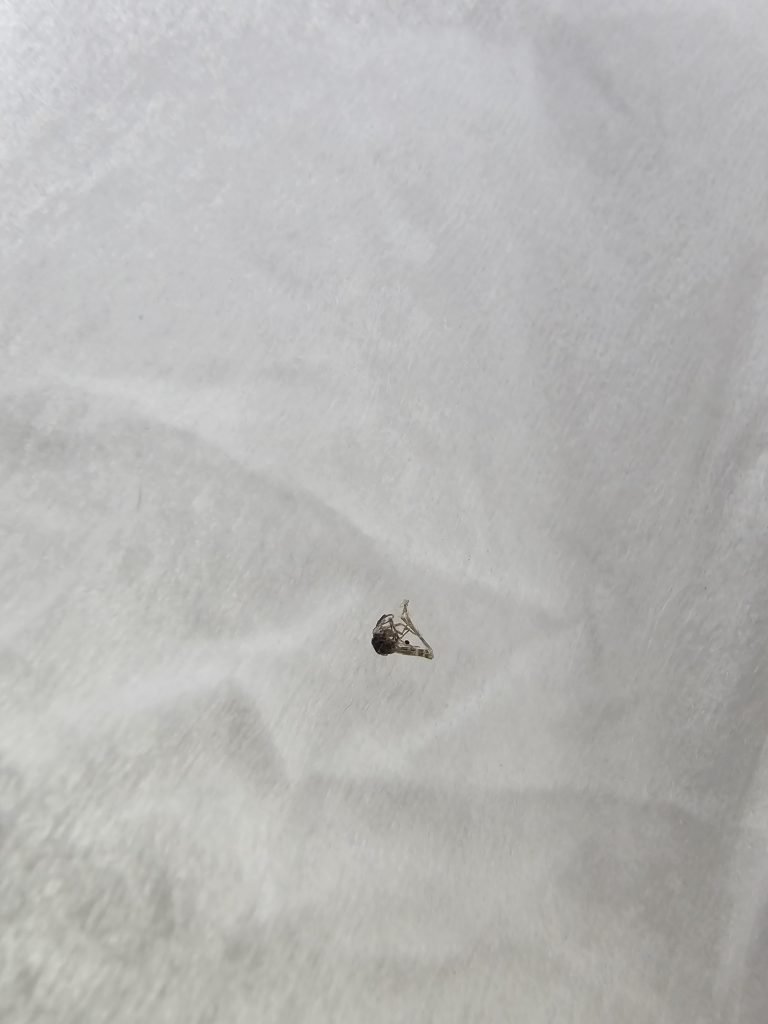
Pictures of Flea Infestation Evidence