
Rodent Inspection
Our trained technicians will inspect your home or business to locate any pests present or potential pest entry points.

Rodent Monitoring/Baiting
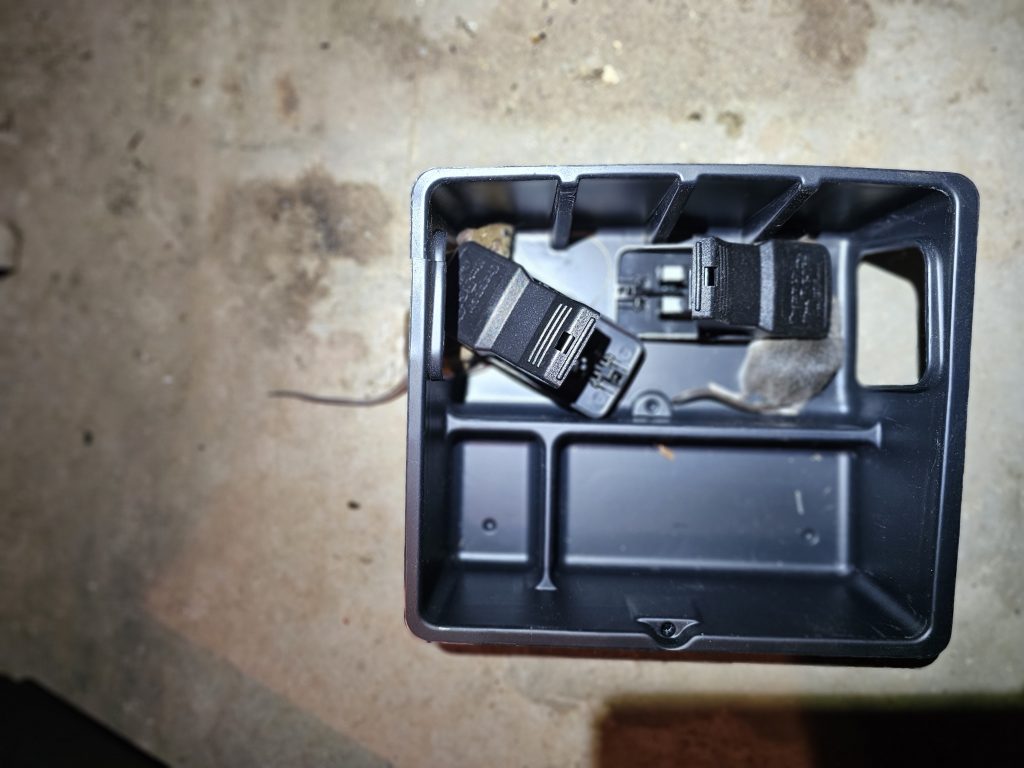
We will then deploy monitoring and baiting stations in locations noted during our initial inspection. Tracking the rodent activity.

Pest Proofing/Exclusion
Once we can identify pest entry points being used, we will recommend the proper intervention to pest proof the entry point.

Pest Prevention Assessment
Pest Control WV will monitor to ensure activity is stopped. We will then conduct a follow up pest assessment.
Rodent Solutions for Your Home & Business
Rodents in the home or crawlspace are never a good sign. Since there are a few different species of rodents local to our area, we always like to schedule a Free Inspection in order to identify the species and provide the following steps for elimination.
Some examples of areas covered
- Pest Control in Residential Homes
- Pest Control In Air BnB and Rental Homes
- Pest Control in Apartments and Multi-Unit Housing
- Pest Control In Care Homes and Medical Facilities
- Pest Control in Club Houses and Halls
- Pest Control in Convenience Stores and Quick Service
- Pest Control in Courthouses and Government Buildings
- Pest Control In Factories and Warehouses
- Pest Control in Firehouses and Police Stations
- Pest Control in Food Production and Service
- Pest Control in Funeral Homes and Places of Worship
- Pest Control in Offices and Public Buildings
- Pest Control in Shopping Plazas and Storefronts
- and more...
Some examples of other Rodents covered
- House Mice (Mus musculus): Small, gray/brown rodents found in homes and buildings, often in attics or walls.
- Deer Mice (Peromyscus maniculatus): Commonly found in rural areas, nesting in woodpiles or outbuildings; known carriers of hantavirus.
- Norway Rats (Rattus norvegicus): Large, brown rats that burrow under buildings and in garbage.
- Roof Rats (Rattus rattus): Agile, smaller, dark rats often found in upper levels of structures.
MOUSE CONTROL IN WEST VIRGINIA
The house mouse is one of the most common rodent pests in West Virginia homes, businesses, and agricultural structures. They are more than a nuisance — mice contaminate food, damage wiring (a leading cause of house fires), spread diseases including Salmonella and Hantavirus, and can reproduce to infestation levels with alarming speed. A single female mouse can produce 5–10 litters of 6–8 pups per year.
SIGNS OF MOUSE ACTIVITY
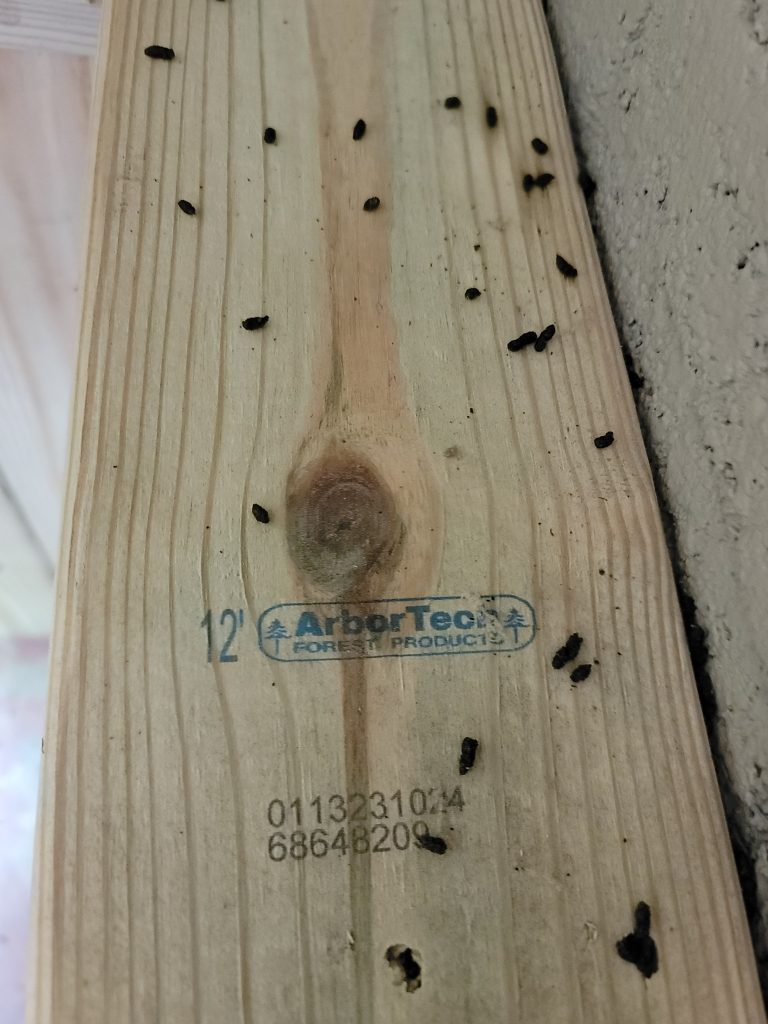
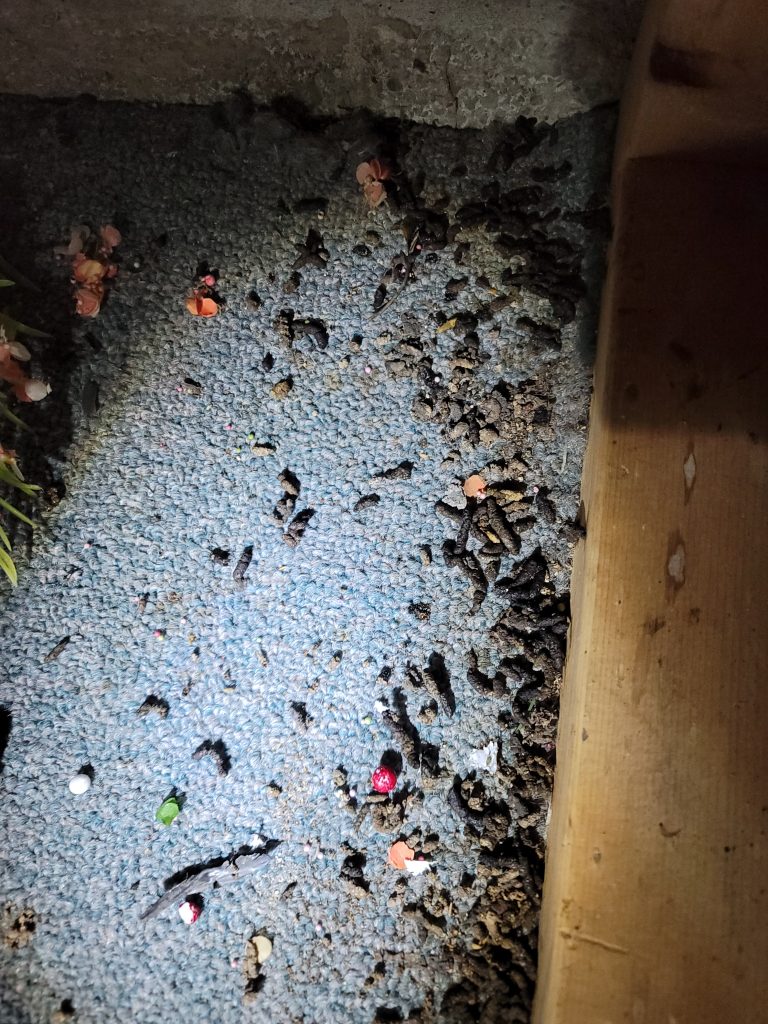
- Droppings: small, rod-shaped, dark droppings (about 1/4 inch) — the most reliable indicator. Fresh droppings are soft and dark; older ones are hard and gray.
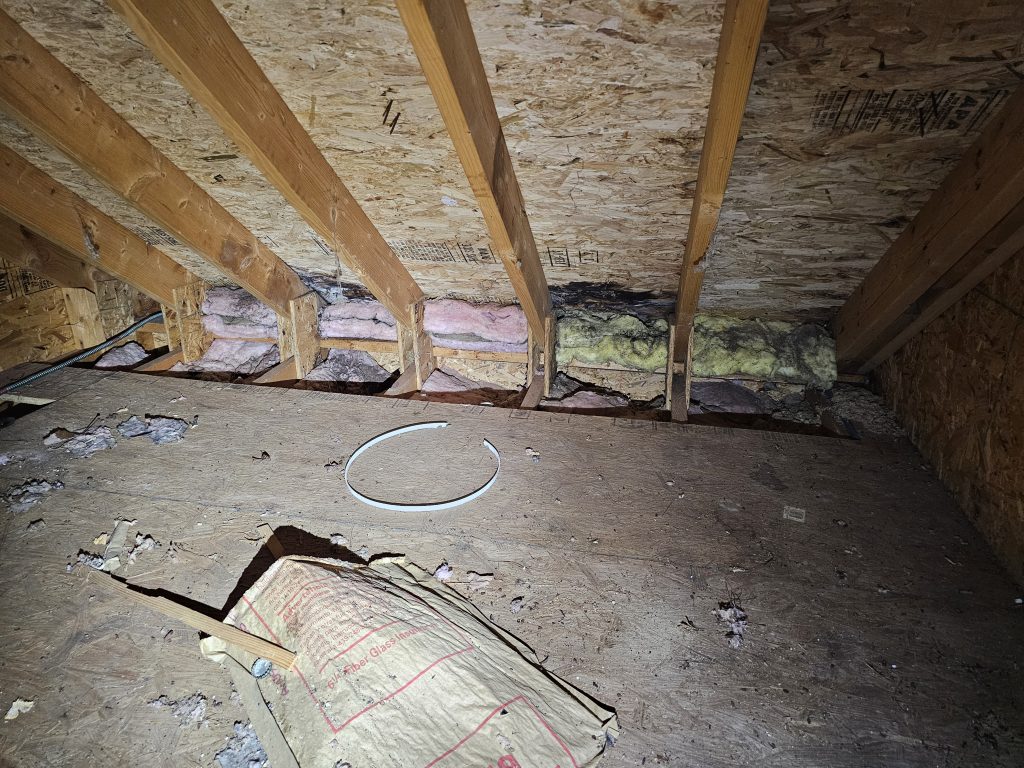
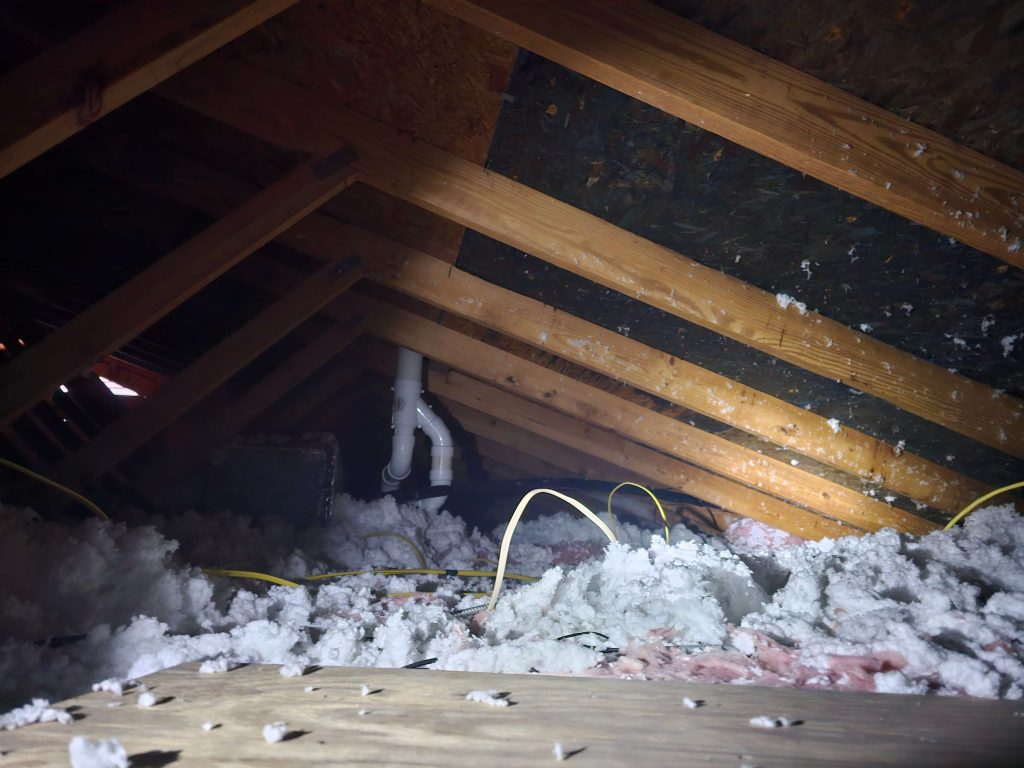
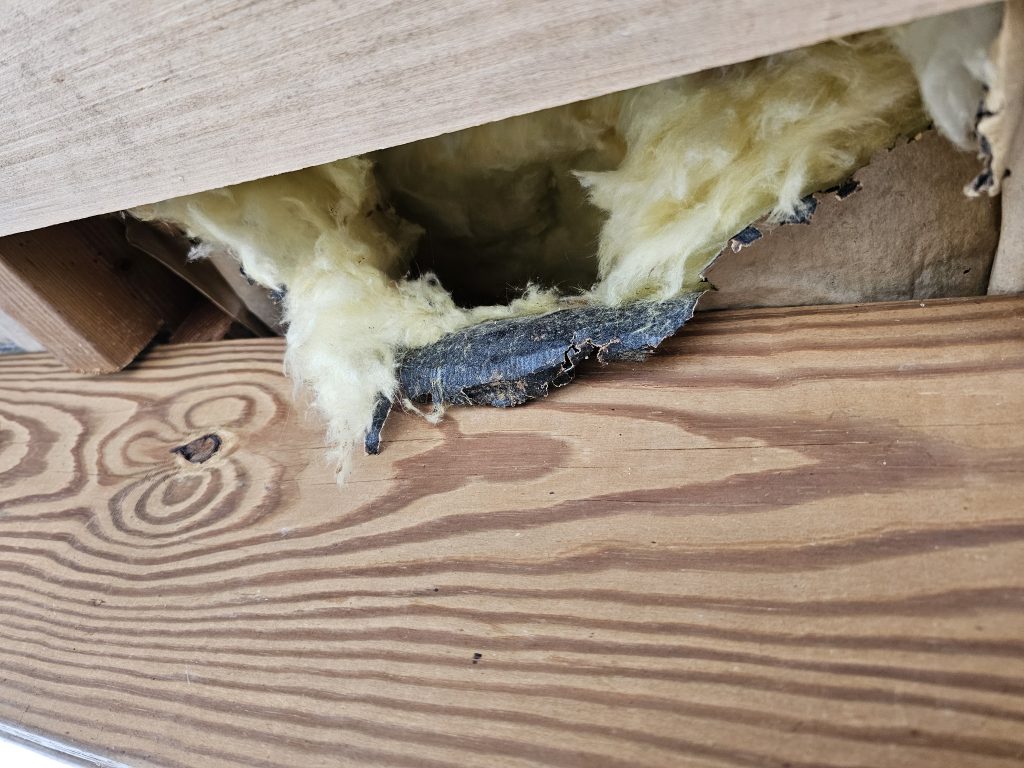
- Gnaw marks on food packaging, wood, insulation, and wiring
- Grease marks along baseboards and wall edges where mice regularly travel
- Nesting material shredded from paper, insulation, or fabric in hidden spaces
- Scratching or scurrying sounds inside walls and ceilings, especially at night
HOW MICE ENTER YOUR HOME
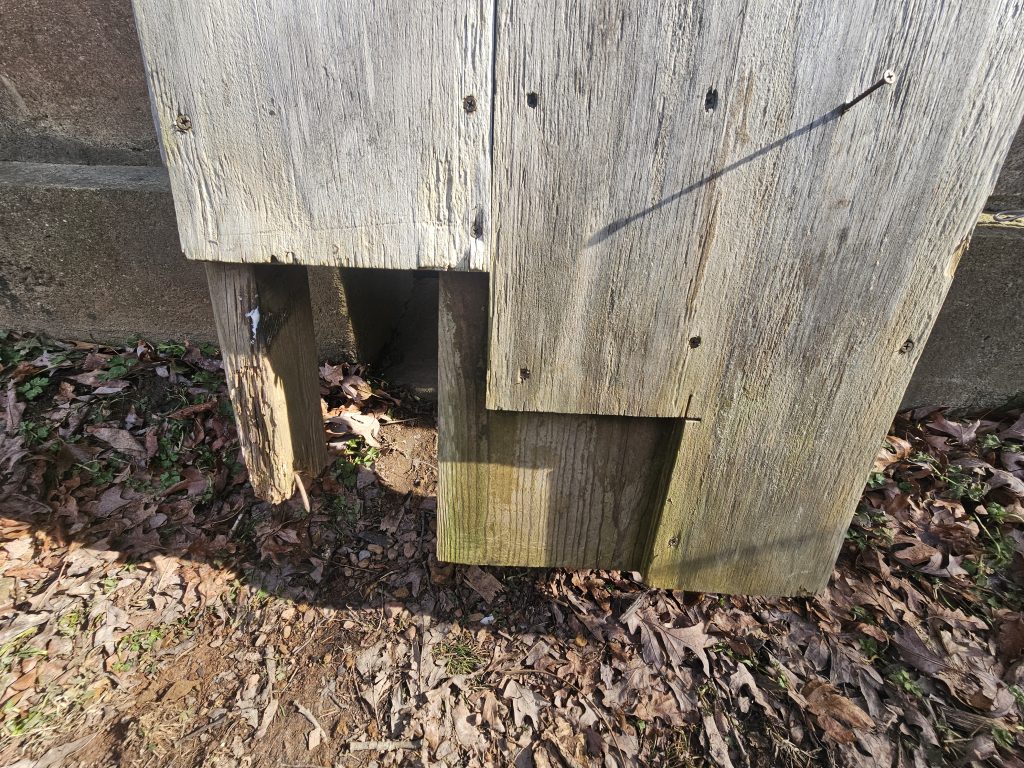
A house mouse can fit through a gap the size of a dime (approximately 1/4 inch). Common entry points in WV homes:
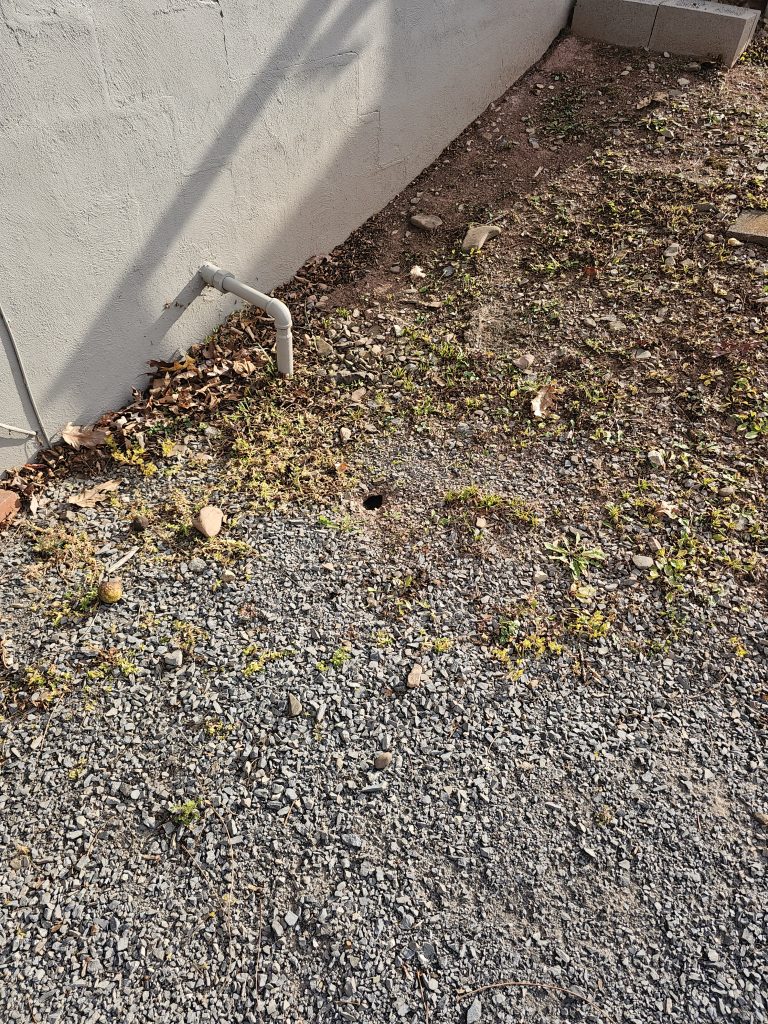
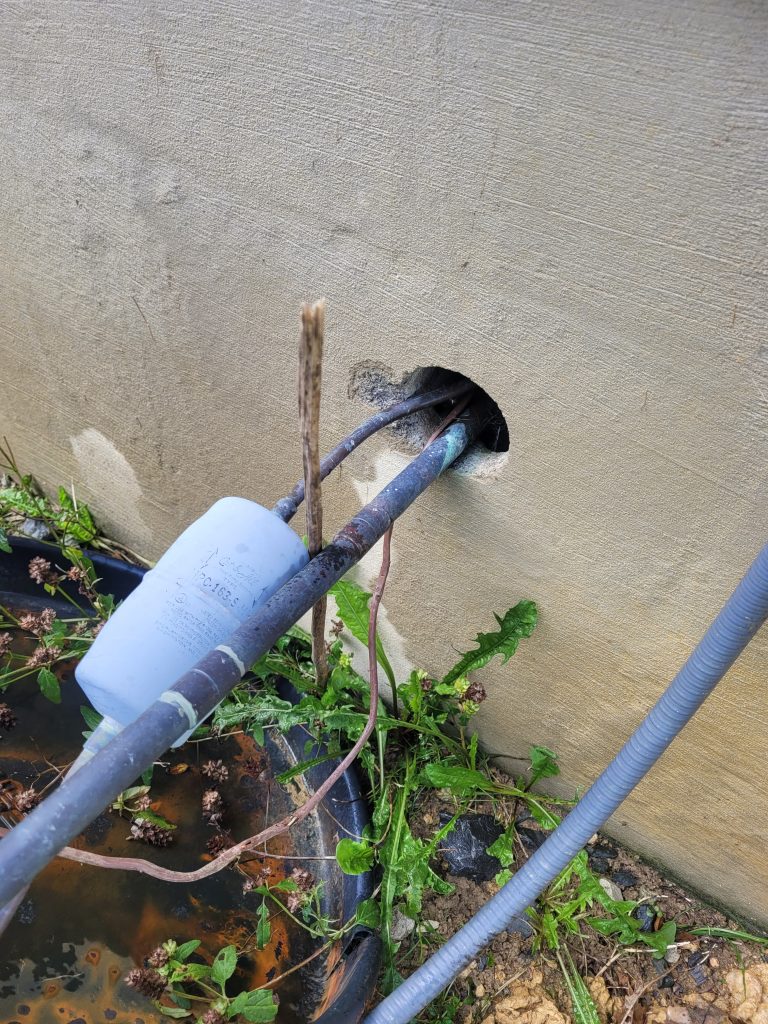
- Gaps around utility pipes and conduit at the foundation
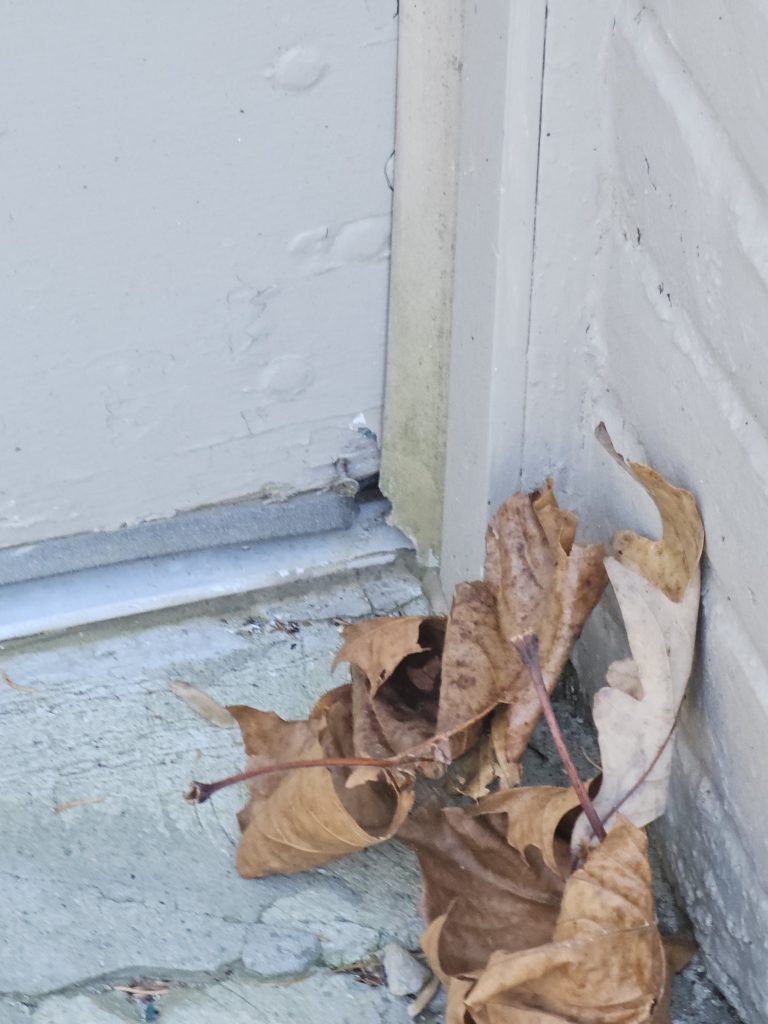
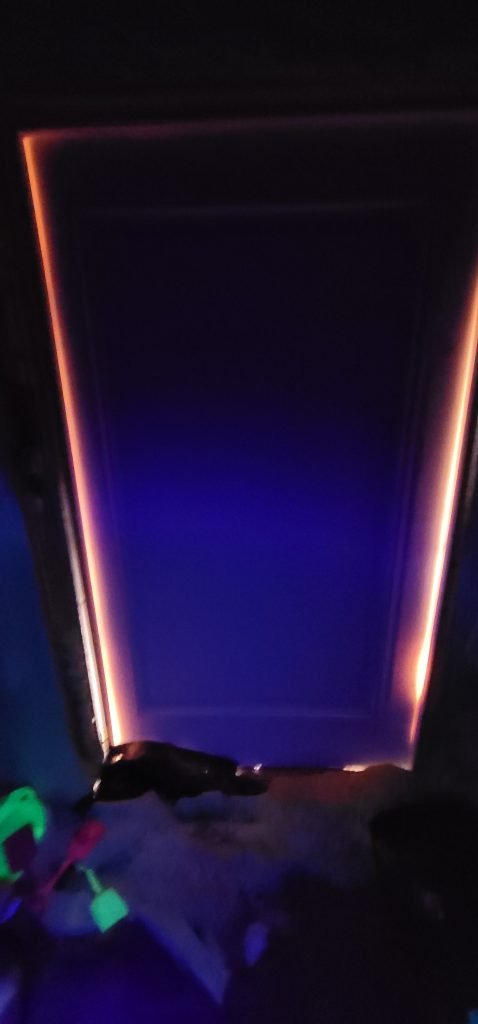
- Under exterior doors with worn or missing door sweeps
- Gaps in the sill plate where the foundation meets the framing
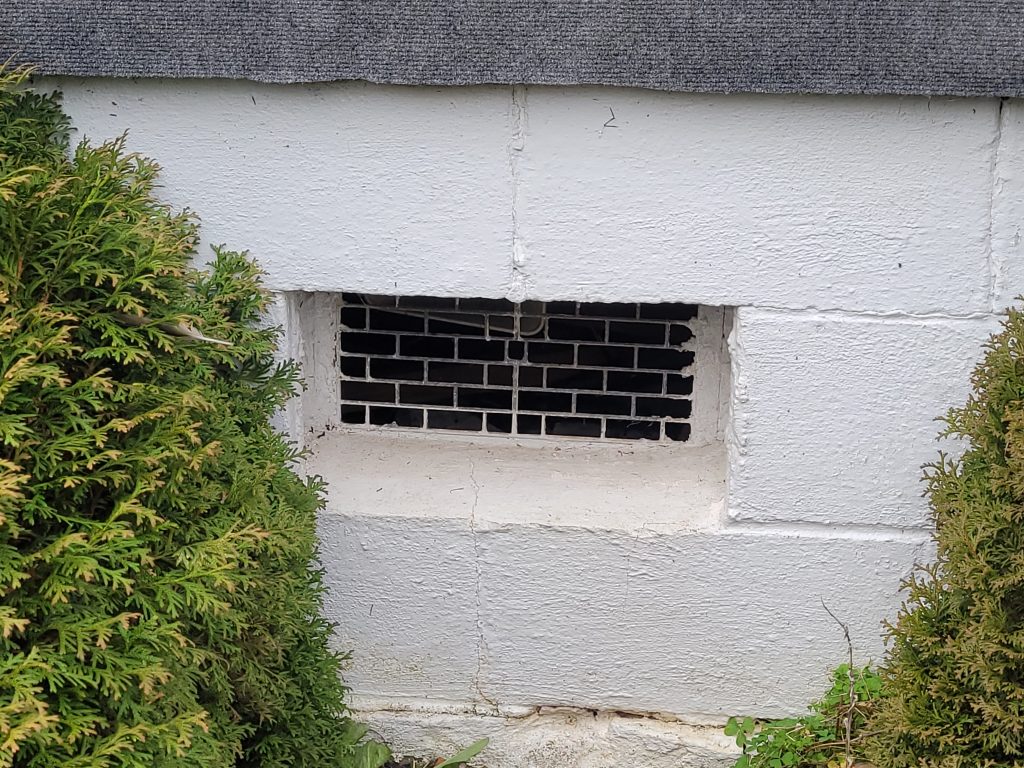
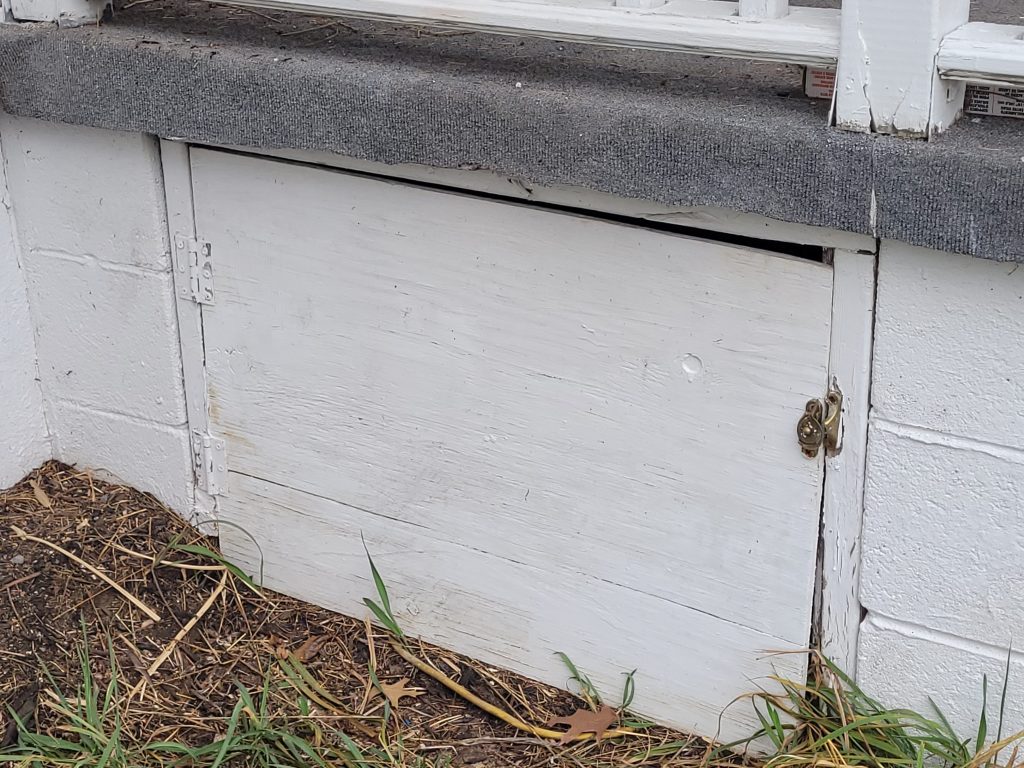
- Through crawlspace vents with damaged or missing screens
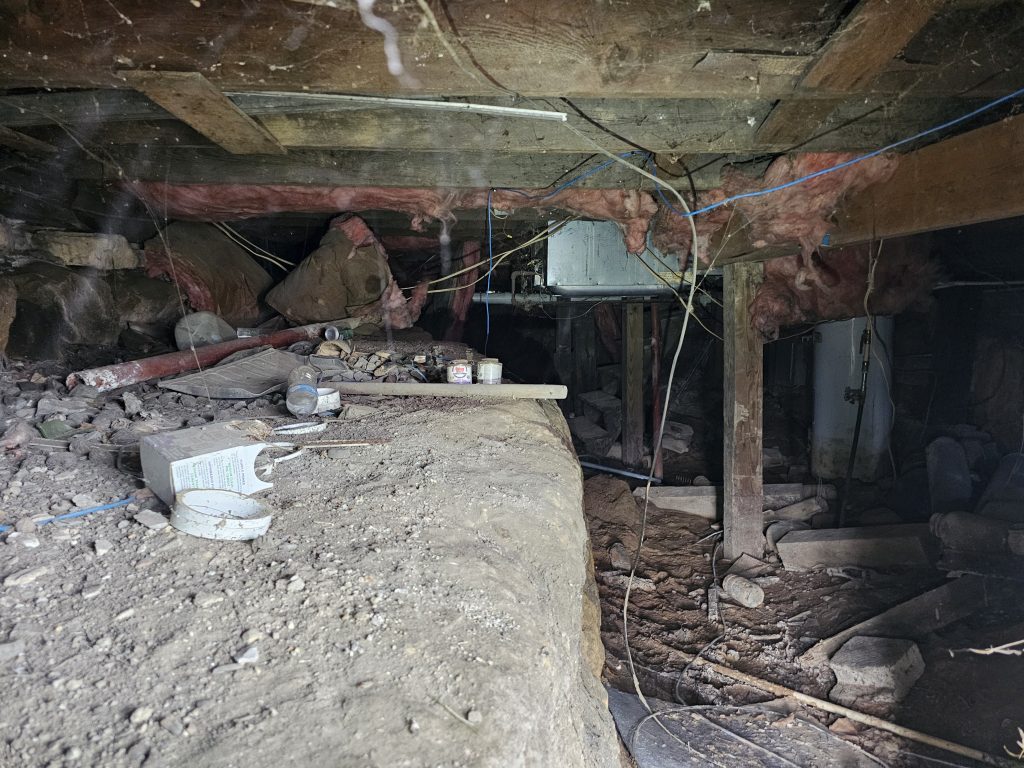
- Gaps in the mortar of older stone and brick foundations
- Where the garage door meets the floor if the seal is worn
WHERE TO INSPECT
Focus on the kitchen (behind and under appliances), utility rooms, garage, and crawlspace. Look for droppings, grease marks, and gnawed materials. Follow grease trails along baseboards — they indicate regular travel routes.
HOMEOWNER PREVENTION TIPS
1. Seal all gaps larger than 1/4 inch at the foundation, sill plate, and around utility penetrations using steel wool, hardware cloth, or caulk.
2. Install door sweeps on all exterior doors; check that garage door seals contact the floor uniformly.
3. Store food (including pet food) in sealed, hard-sided containers.
4. Remove clutter in garages, crawlspaces, and storage areas — mice use it for nesting.
5. Keep grass cut short near the foundation and remove brush and debris piles.
6. Do not leave standing birdseed, compost, or pet food outdoors overnight.
WHY TRAPS ALONE ARE RARELY ENOUGH
Trapping removes individual mice but does not address the population or entry points. Without exclusion (sealing entry points), new mice will continue to enter from outside. Pest Control WV combines interior trapping with a full exclusion inspection and exterior bait station program to reduce pressure from the outside population simultaneously.
HOW WE TREAT FOR MICE
Pest Control WV offers a comprehensive rodent control program: interior inspection and trapping, exterior bait station installation, and a detailed exclusion report identifying specific entry points and recommended repairs. Our 365 Guarantee means we return between scheduled services at no charge if activity persists.
Did you Know?
Rodents are always chewing, this is because they must! Their teeth continue to grow, and in order to manage the length, they typically gnaw on materials like wood, wires, and even concrete.
Free Inspections! Get Rid of Mice Today!
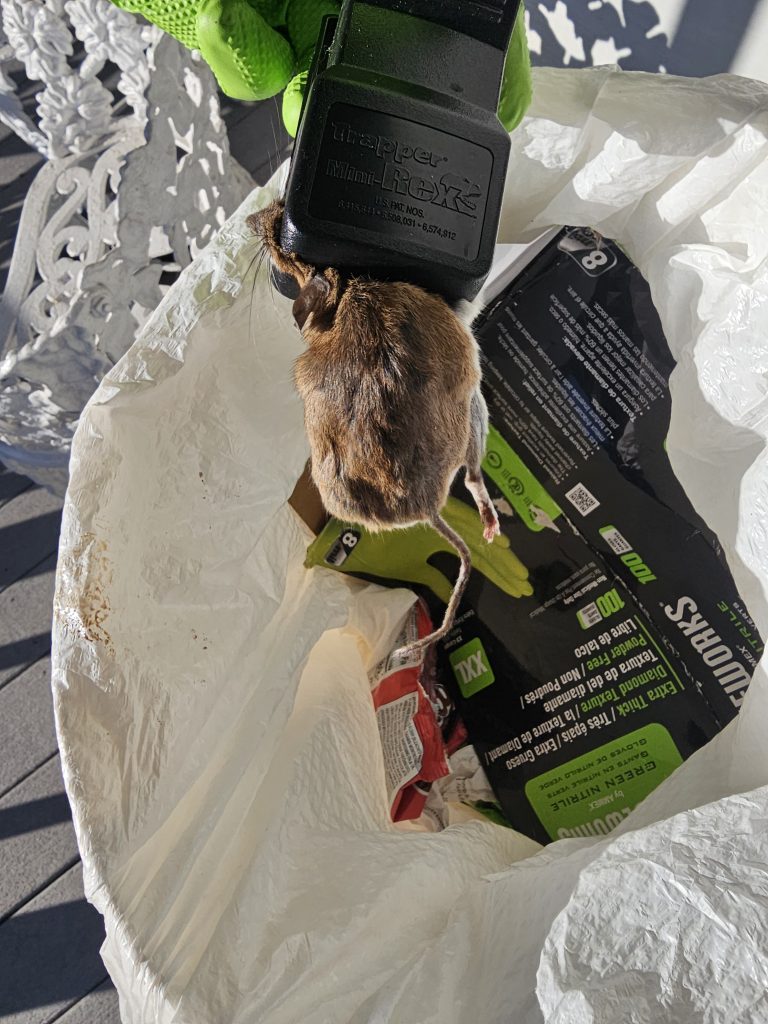
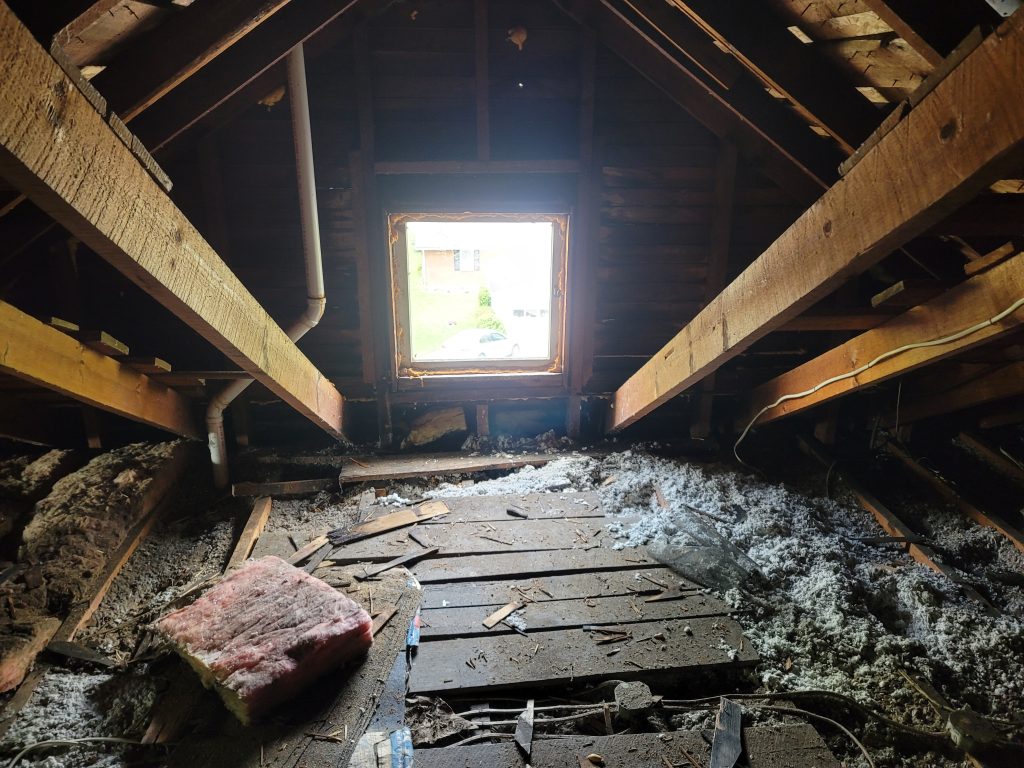
Pictures of Mouse Entry/Infestation