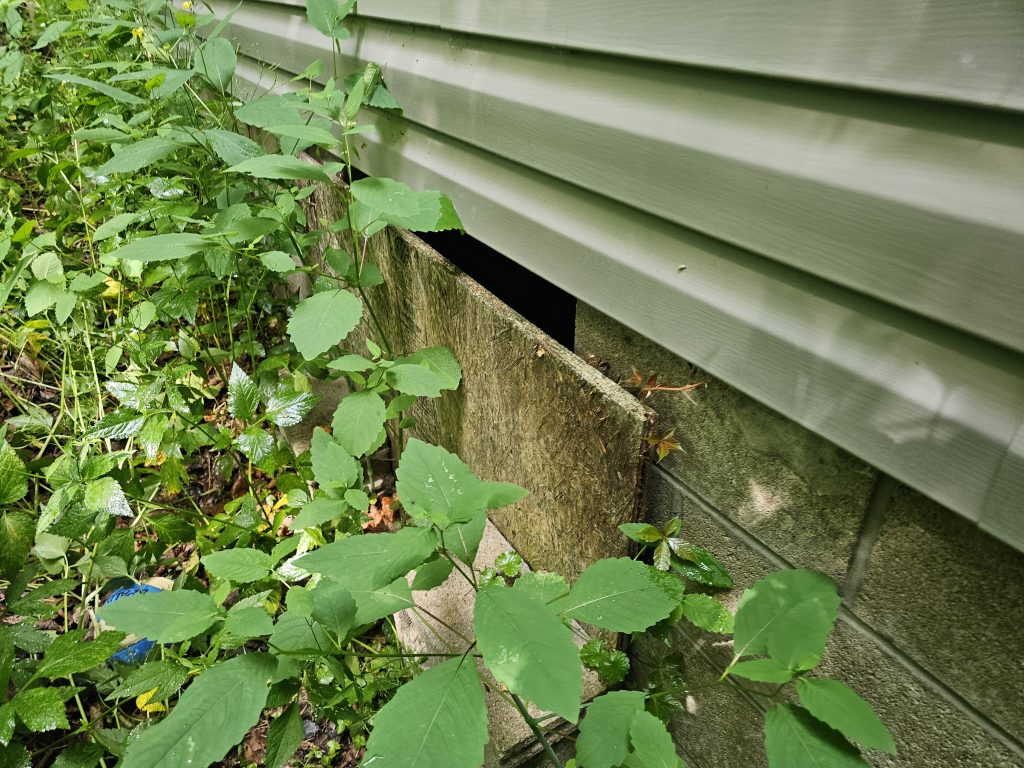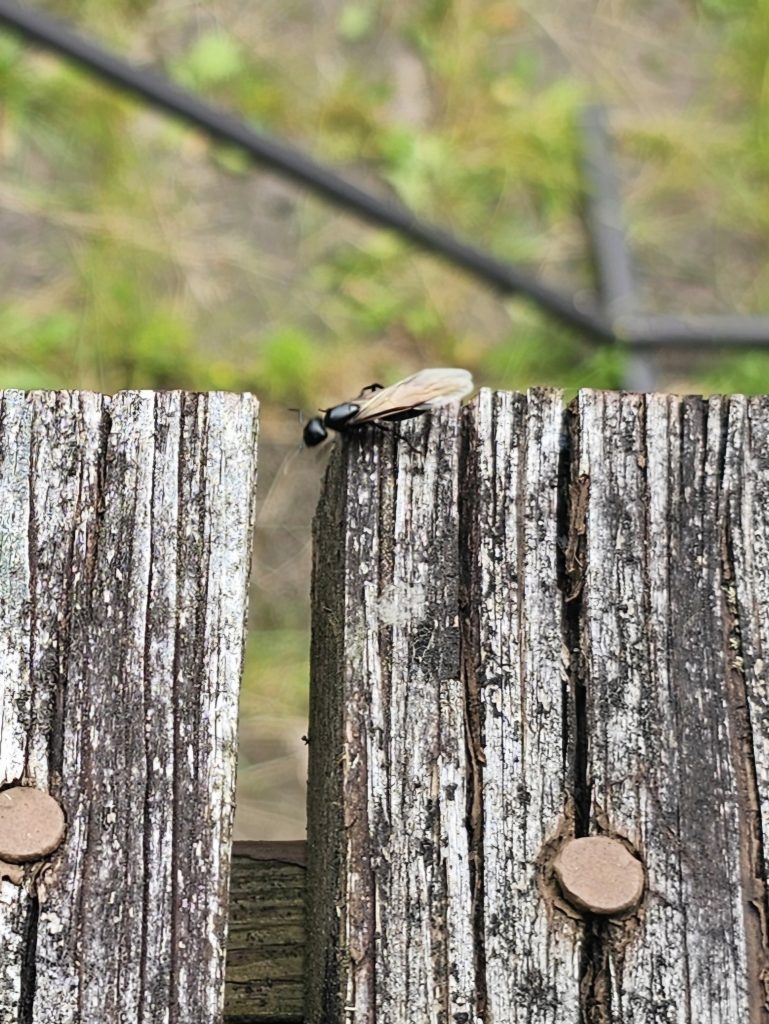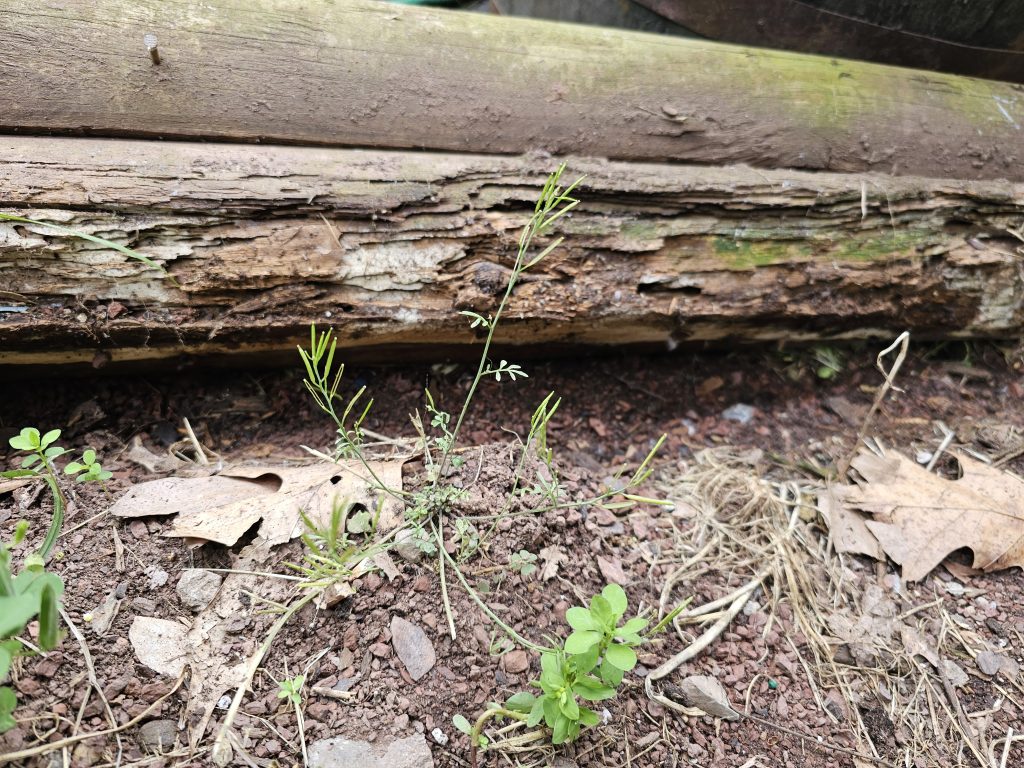

Wood Destroying Insect Inspection
Our trained technicians will inspect your home or business to locate any Carpenter Ants or other wood destroying pests present or existing damage/evidence from wood destroying pests.

Treatment Options
We will then offer you treatment options based on our findings during the inspection. There are many wood destroying pests in West Virginia and they can be present in the same area. Physical and Environmental changes to the property may play a large role in long term treatment success.

Ongoing Protection
We utilize premium pest products to ensure effective control and long lasting results. We provide a re-treatment guarantee with our services and offer annual renewable warranties on termite treatments*.
We will recommend any action needed to prevent Carpenter Ants long term.

Pest Prevention Assessment
For a full report including how to address and prevent all wood-destroying pests and conducive conditions noted during our inspection and treatment, Pest Control WV offers
*Termite Guarantee Warranties Include ongoing prevention and re-treatment only. Does not include any structural repair or re-imbursement.
Carpenter Ants & Other Wood Destroying Pests can do a lot of damage, Quickly. Call Today.
When you see Large Ants inside the building, or crawling on the outside of the building or deck, it may be time to call. Carpenter Ants can wreak havoc on structures similar to Termites and Wood Destroying Beetles. They are typically attracted to Moist, Decaying Wood or Trees. Pest Control WV offers treatments for the toughest wood destroying pests. Text Us, and protect your home from Carpenter Ants and more.
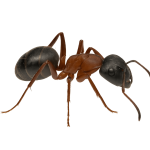
- Carpenter Ants (Camponotus spp.): Significantly larger (1/4 to 1 inch), black or red/black, and cause structural damage by excavating wood for nests.
CARPENTER ANT CONTROL IN WEST VIRGINIA
Carpenter ants are the most destructive ant species in West Virginia. Unlike termites, they don't eat wood — they excavate it to create smooth, gallery-like nesting tunnels. Over time, a large colony can compromise the structural integrity of floor joists, beams, window frames, and wall studs. West Virginia's heavily forested landscape and high humidity make carpenter ant infestations especially common.
ABOUT CARPENTER ANTS IN WV
The Black Carpenter Ant (Camponotus pennsylvanicus) is the primary species in WV. Workers are large — 1/4 to 1/2 inch — and black. They are most active at night and in spring, when winged reproductives (swarmers) emerge to establish new colonies. Finding swarmers indoors in late winter or spring is a strong sign of an established indoor nest.
SIGNS OF CARPENTER ANT ACTIVITY
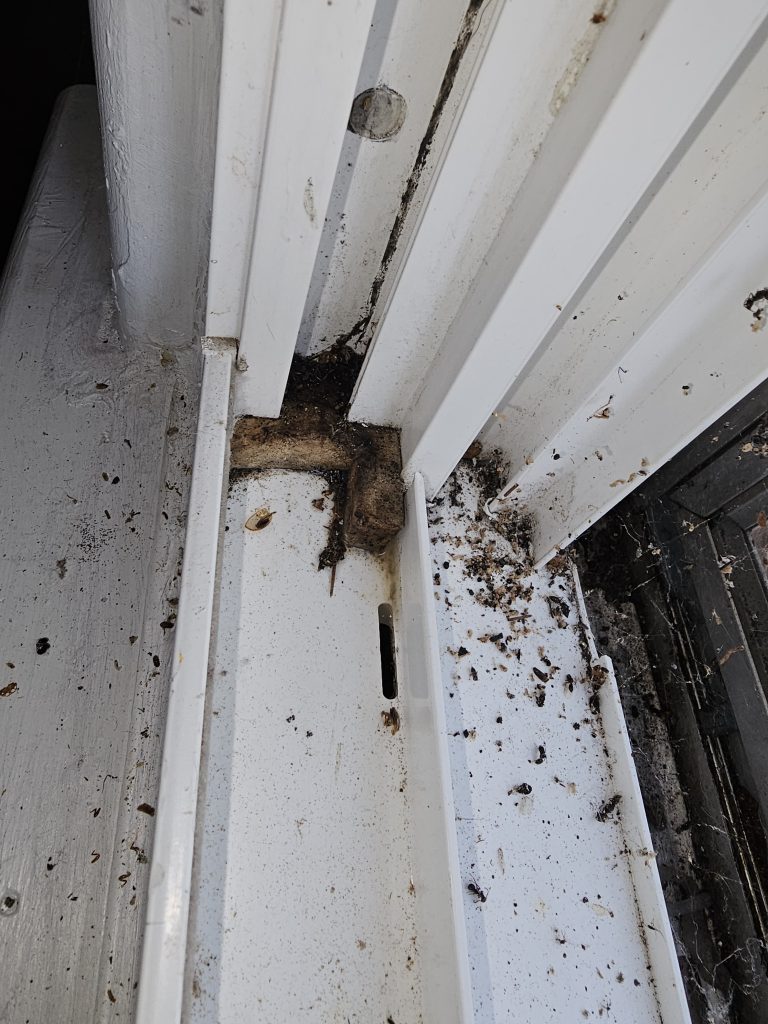
- Sawdust-like frass (coarse wood shavings mixed with insect parts) below or near wood
- Faint rustling sounds inside walls, especially at night
- Winged carpenter ant swarmers appearing indoors
- Large black ants foraging in the kitchen or along baseboards
PREFERRED NESTING SITES
Carpenter ants require moist, softened wood to excavate. They do not nest in sound, dry wood. Common nesting locations in WV homes:
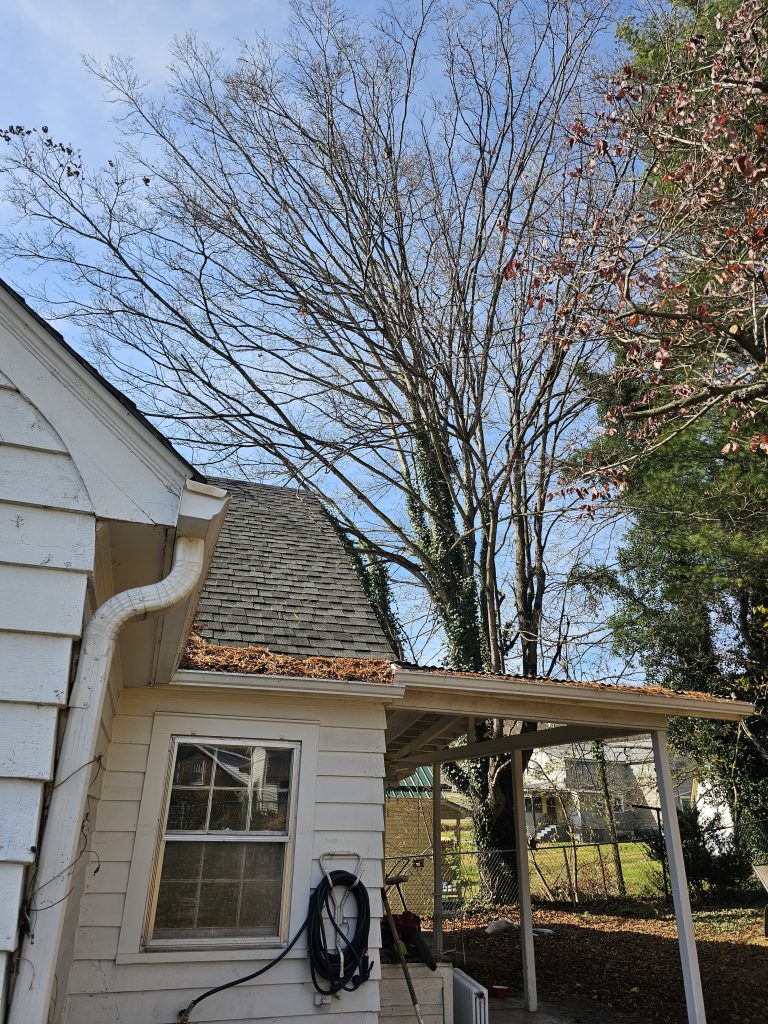
- Water-damaged roof sheathing or fascia boards
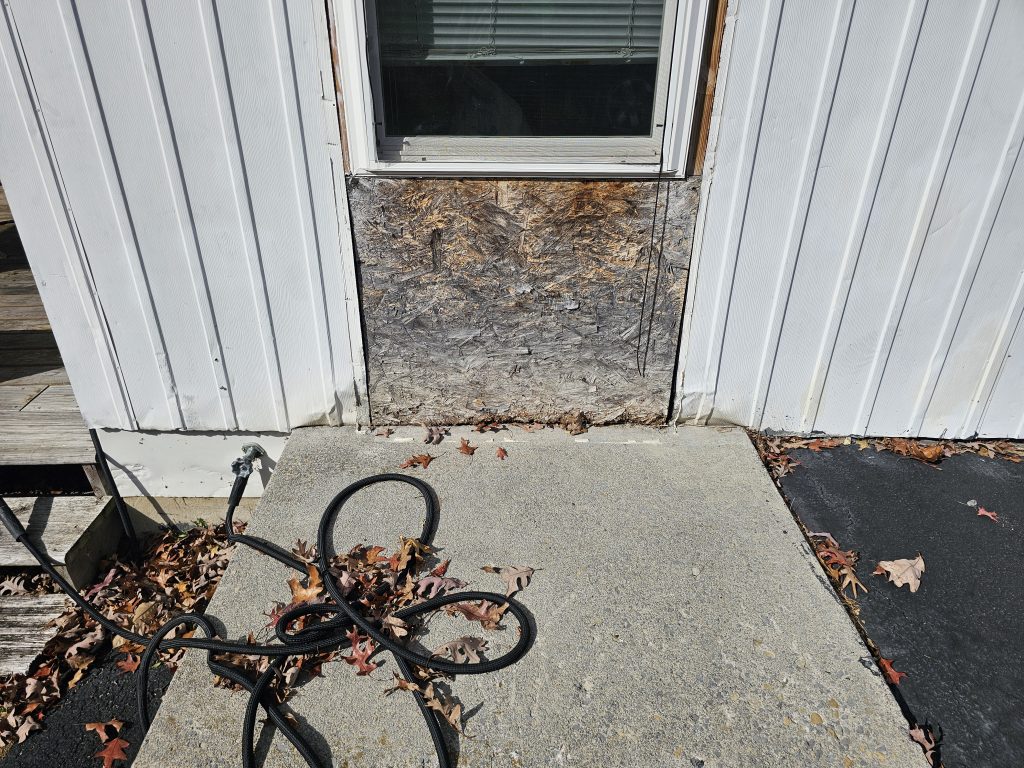
- Window and door frames with compromised caulk or flashing
- Sill plates and rim joists in crawlspaces
- Hollow core doors and wall voids near leaking pipes
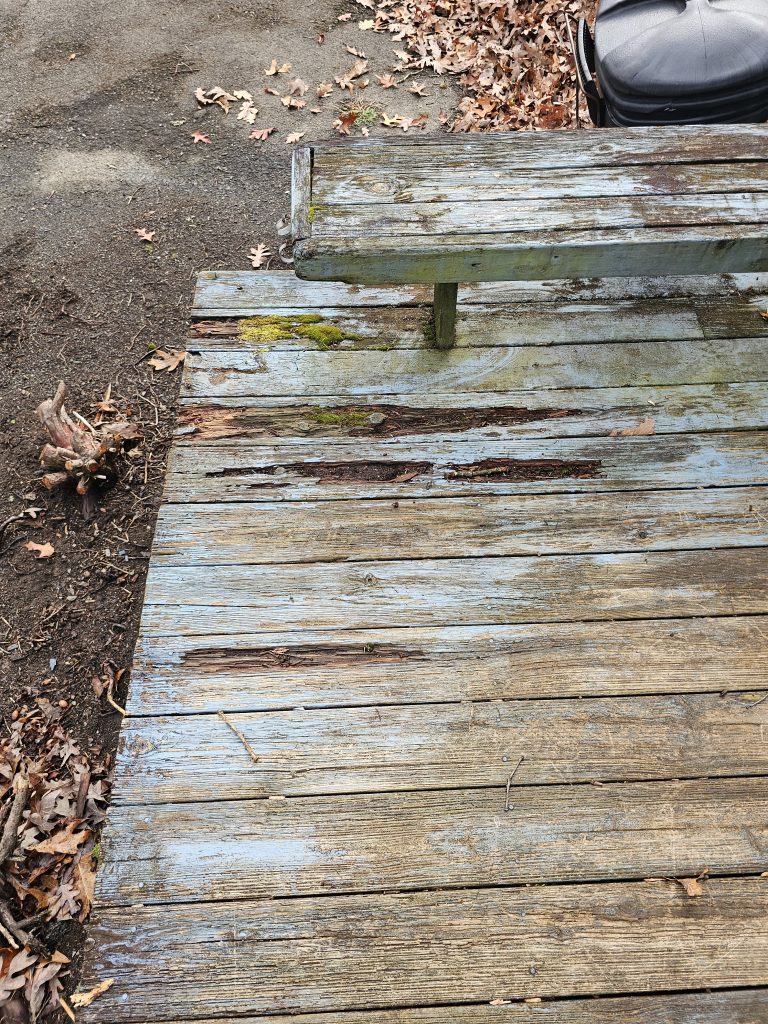
- Structural wood near poorly flashed decks or porches
HOW THEY ENTER YOUR HOME
- Tree branches and shrubs contacting the roofline or siding
- Firewood stored against the house (firewood is a primary outdoor nest site)
- Gaps around utility conduit and pipe penetrations
- Through the crawlspace via foundation vents
HOMEOWNER PREVENTION TIPS
1. Fix all moisture sources — leaking gutters, roof issues, plumbing leaks — since carpenter ants are almost exclusively found in damp wood.
2. Trim tree limbs so they maintain a minimum 2-foot clearance from the roof and siding.
3. Store firewood at least 20 feet from the home, elevated off the ground.
4. Replace any visibly water-damaged wood; once damaged wood is present, it will remain attractive even after the moisture source is fixed.
5. Seal gaps around all utility penetrations into the structure.
6. Keep gutters clean and in good repair to prevent water from saturating fascia and soffit boards.
HOW WE TREAT CARPENTER ANTS
Effective carpenter ant control requires locating the nest — not just treating where you see ants. Pest Control WV conducts a thorough inspection to identify satellite colonies (which form inside the home) and trace trails back to parent colonies (often located in a tree stump or landscape timber outside). Treatment combines targeted crack-and-crevice applications, exterior perimeter treatments, and baiting. Moisture source correction is discussed as part of every treatment plan.
Some examples of Other (Non Wood-Destroying) Ants covered
- Odorous House Ants (Tapinoma sessile): Small, brownish-black ants that emit a coconut-like odor when crushed. They are highly attracted to sweets and nest in wall voids, under siding, or near moisture sources.
- Acrobat Ants (Crematogaster spp.): Small (1/8 to 3/8 inches), light brown to black, with a distinct heart-shaped abdomen. They are known for raising their abdomens over their heads when disturbed. They prefer nesting in decayed wood, tree cavities, or abandoned termite/carpenter ant galleries.
- Pavement Ants (Tetramorium caespitum): Small, brown-to-black ants that nest in soil, under concrete slabs, and in sidewalk cracks. They are common indoor invaders, especially in kitchens.
- Little Black Ants (Monomorium minimum): Tiny, shiny black ants that often forage in kitchens and bathrooms.
- Pharaoh Ants (Monomorium pharaonis): Very small, light-yellow to reddish ants that are difficult to control once inside, often nesting in hard-to-reach areas like wall voids or electrical outlets.
- Field Ants (Formica spp.): These can be found near home foundations and sometimes wander indoors
Some examples of areas covered
- Pest Control in Residential Homes
- Pest Control In Air BnB and Rental Homes
- Pest Control in Apartments and Multi-Unit Housing
- Pest Control In Care Homes and Medical Facilities
- Pest Control in Club Houses and Halls
- Pest Control in Convenience Stores and Quick Service
- Pest Control in Courthouses and Government Buildings
- Pest Control In Factories and Warehouses
- Pest Control in Firehouses and Police Stations
- Pest Control in Food Production and Service
- Pest Control in Funeral Homes and Places of Worship
- Pest Control in Offices and Public Buildings
- Pest Control in Shopping Plazas and Storefronts
- and more...
Did you Know?
A single colony of established Termites can consume from a 22 foot section of 2x4 (1 cubic foot) - up 300lbs of wood per year. While Carpenter Ants can cause damage to wood as well, they typically do not consume wood. Instead Carpenter Ants excavate tunnels in order to nest within the galleries, pushing the "frass" out of the entrance holes. There are also some types of Wood Destroying Beetles that typically infest wood that is exposed to moist conditions on homes, in crawlspaces or decks.
These pests can all be damaging to structures and should be dealt with promptly for best results and minimizing repair. When these pests are present, often it means there are underlying conducive conditions that have led to their presence, and will need to be addressed as part of an IPM plan in order to achieve lasting control. Pest Control WV provides you with the information needed via a Pest Assessment with any Wood Destroying Insect Treatment or when you Sign-up for Re-Occurring pest control.
Free Inspections! Get Rid of Carpenter Ants Today!
Pictures of Carpenter ant Evidence