
Initial Inspection
Our trained technicians will inspect your home or business to locate any conducive pest conditions and identify the species, entry and/or harborage areas.
Pest Control WV will determine the treatment method based on species and findings during the inspection. Treatment and Cost depends on species and infestation.

Occasional Invader Service/Plans
Pest Control WV will determine the best treatment method based on the results of the inspection.
For one-time Invading Pest issues you may choose a One-Time Service to help remediate the issue. Or you may prefer Pest Plan for long term control and a Free Pest Assessment to provide ongoing prevention tips through property maintenance.

Follow Up & Prevention
We will let you know our thoughts on how the infestation started based on the inspection and information given. We will then give you tips to prevent future outbreaks.
If the infestation persists, Pest Control WV will schedule a follow-up inspection/service to ensure any and all additional pest entry points have been addressed.

Stress Free Guarantee
Pest Control WV typically offers a few options, including a 30day guarantee for one-time services and our 365 guarantee for ongoing pest plans.
In addition, we offer a Free Pest Assessment, conducted during treatment, which can help to prevent future pest outbreaks with ongoing prevention.
Occasional Invader Pest Solutions for Your Home & Business
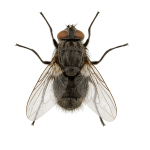
Some common house flies in the home are common. However, which since there are a few different species of occasional invaders, we always like to schedule a Free Inspection in order to identify the species and provide a recommendation for treatment and ongoing prevention.
OCCASIONAL INVADER PEST CONTROL IN WEST VIRGINIA
"Occasional invaders" is the term used for a wide variety of insects and arthropods that enter homes and businesses seasonally — not to establish breeding populations indoors, but to seek shelter, moisture, or warmth. In West Virginia, the list of occasional invaders is long, given the state's diverse ecosystems and seasonal climate extremes.
COMMON OCCASIONAL INVADERS IN WV
Stink Bugs (Brown Marmorated): One of the most complained-about occasional invaders in WV. Stink bugs aggregate in large numbers on south-facing walls in fall and push into wall voids and living spaces. They do not breed indoors, bite, or cause structural damage — but release a distinctive odor when disturbed or crushed.
Boxelder Bugs: Red and black bugs that aggregate on warm exterior walls in fall and enter through the same gaps as cluster flies and stink bugs.
Silverfish: Moisture-dependent insects found in basements, crawlspaces, and bathrooms. They feed on starch — book bindings, paper, cardboard, and wallpaper paste — and indicate a moisture problem more than a pest problem.
Centipedes: House centipedes are fast-moving predators that follow prey (other insects and spiders) indoors. Their presence indicates other pest activity inside the home.
Springtails: Tiny, jumping insects that infest very damp areas — consistently wet crawlspaces, over-watered potted plants, and damp basements. Almost always a moisture problem indicator.
Ground Beetles: Various species enter homes through ground-level gaps, particularly in fall and after rainfall. Generally harmless and short-lived indoors.
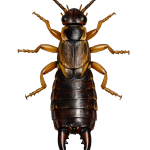
Earwigs: Seek moisture and dark harborage. Common in basements, under rugs, and in damp crawlspaces in summer.
GENERAL PREVENTION TIPS FOR ALL OCCASIONAL INVADERS
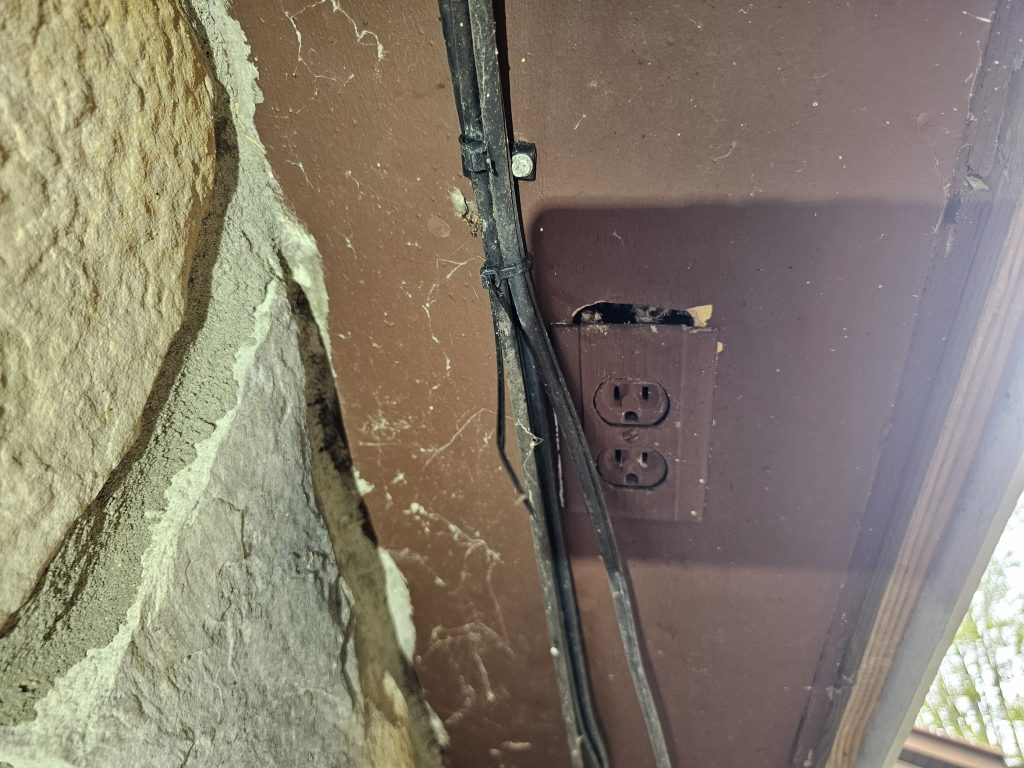
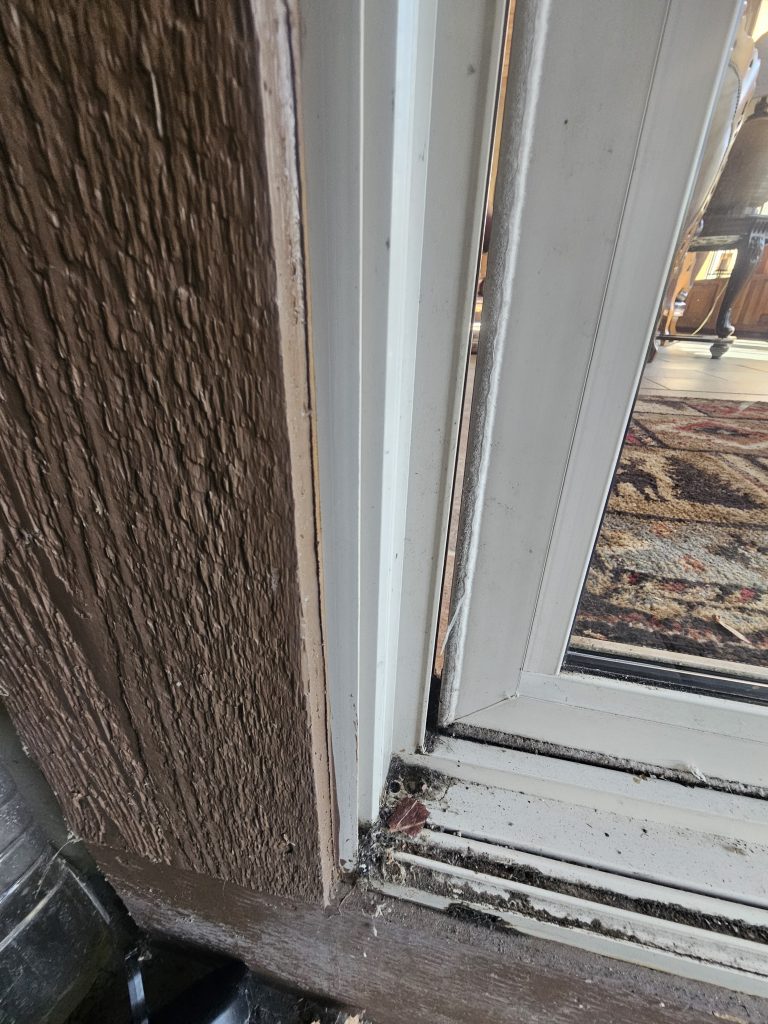
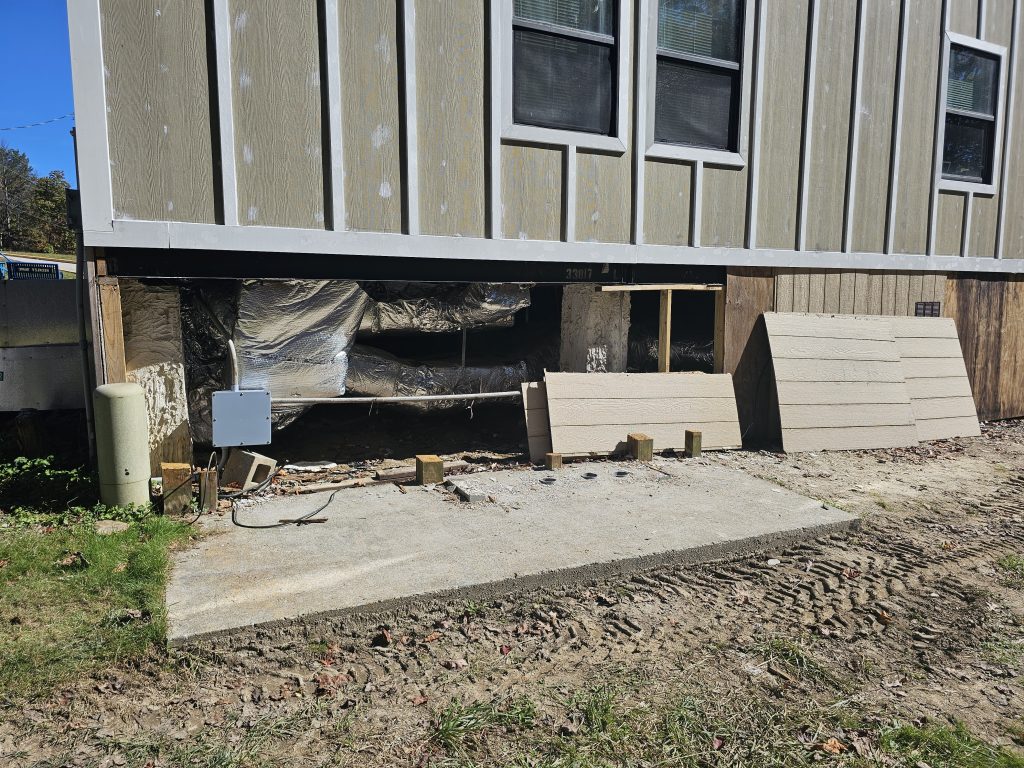
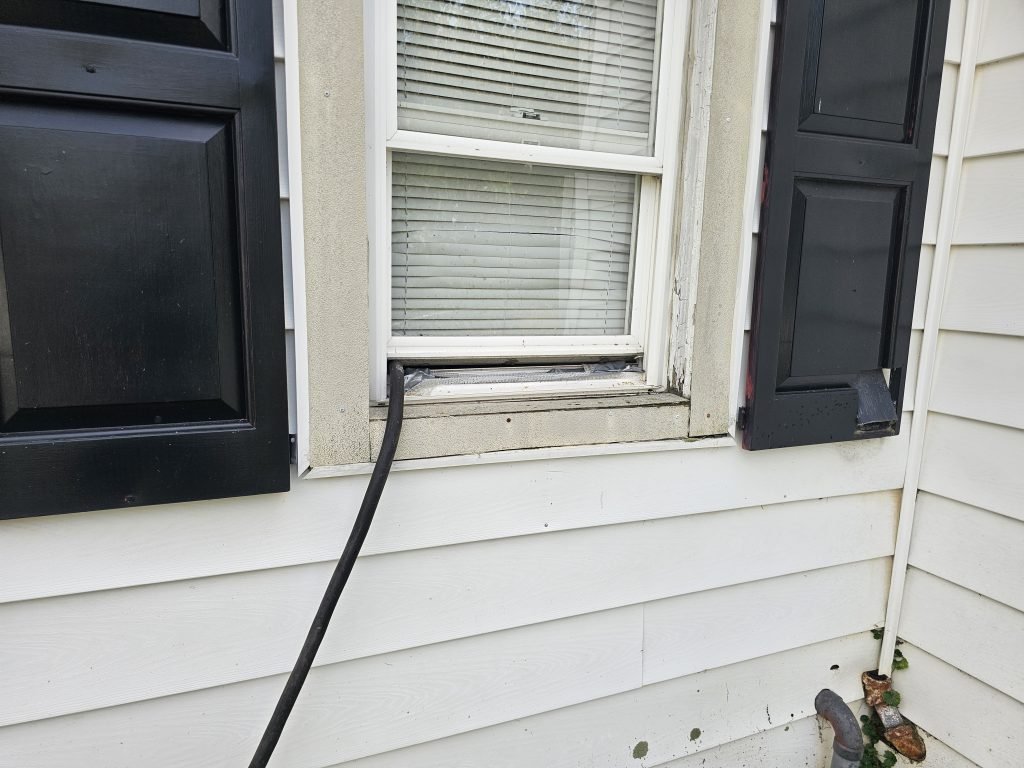
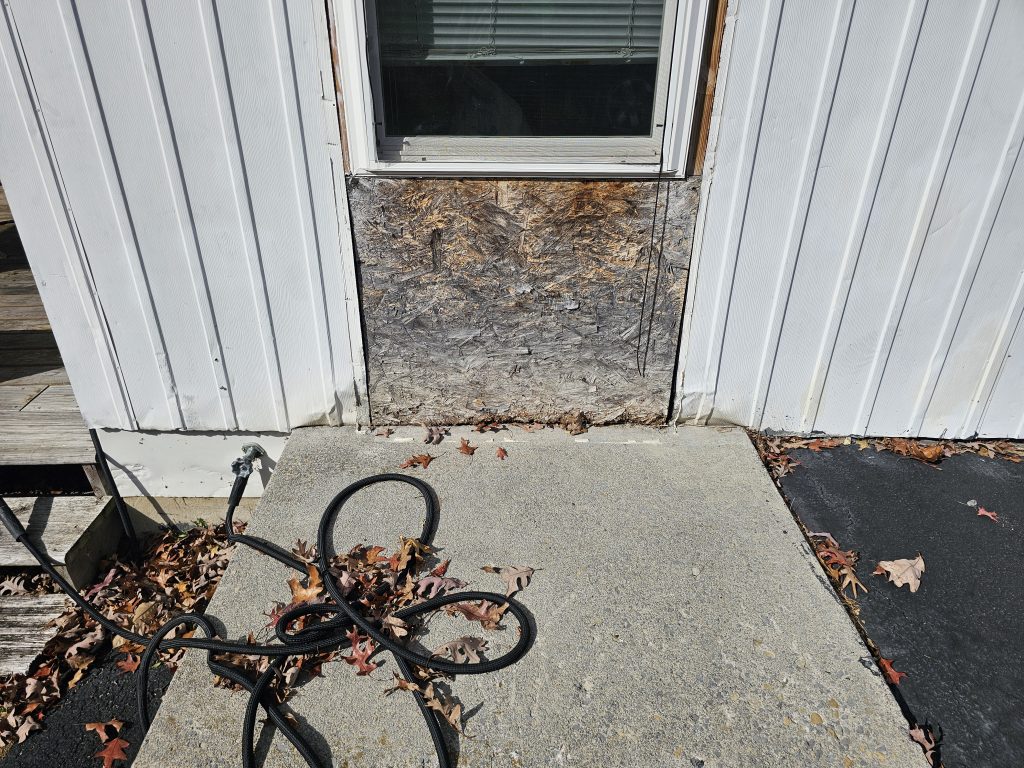
1. Seal the exterior envelope: caulk gaps around windows, doors, utility penetrations, and at the sill plate. This is the single most effective long-term prevention measure.
2. Address moisture issues: crawlspace moisture, leaking gutters, poor drainage, and condensation create the conditions most occasional invaders require.
3. Reduce exterior lighting or switch to yellow-spectrum bulbs — bright white lights attract many flying invaders.
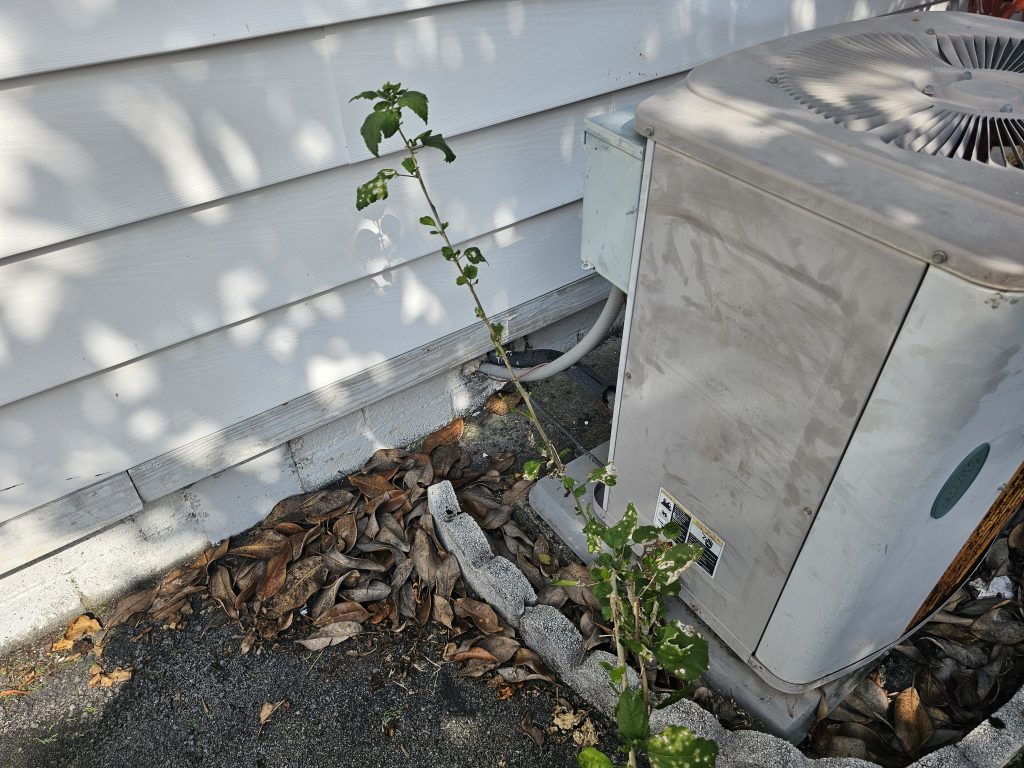
4. Keep the perimeter of the home clear of debris, mulch, and vegetation that retains moisture.
5. Screen foundation vents and replace damaged door sweeps.
6. Reduce interior clutter in basements and storage areas — it provides harborage for silverfish, earwigs, and centipedes.
HOW WE TREAT OCCASIONAL INVADERS
Because most occasional invaders enter from the outside, Pest Control WV's approach emphasizes exterior perimeter treatments and structural exclusion. A quarterly pest control plan provides year-round residual barrier protection against all common occasional invaders, with interior follow-up treatments as needed. Our 365 Guarantee ensures we return between scheduled services at no charge if invaders persist.
Some Additional examples of Other types of Occasional Invaders and Over-Wintering Pests Covered
Common Non-Overwintering Occasional Invaders in WV
- Centipedes & Millipedes: Attracted to moisture, often found in basements, bathrooms, and drain areas.
- Earwigs: Active at night, attracted to lights, and often enter during high moisture conditions.
- Silverfish: Feed on starches and sugars; often found in damp, dark areas.
- Crickets (Field/Camel/House): Enter homes seeking refuge from extreme outdoor temperatures.
- Pill Bugs/Sowbugs (Roly Polies): Common in damp, decaying organic matter around the foundation.
- Ground Beetles & Roaches: Occasional travelers looking for food.
Common Spider Invaders
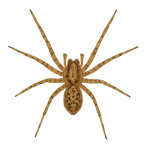
- House Spiders: The most common spider found inside, often building webs in corners.
- Wolf Spiders: Large, fast-moving hunters that enter through gaps.
- Fishing Spiders: Large spiders often found near water sources or in dark, damp areas.
- Yellow Sac Spiders: Commonly found crawling on walls and ceilings.
Over-Wintering Occassional Invaders (Typically Fall Influx in Activity)
These insects enter in large numbers during the fall to hibernate indoors, often appearing again on warm winter days or in early spring.
- Boxelder Bugs: Known for congregating on the sunny (south/west) sides of homes before entering. They can stain walls and fabrics with excrement.
- Stinkbugs (Brown Marmorated): Enter through cracks and crevices to hide in wall voids. They emit a strong odor when disturbed or crushed.
- Ladybugs (Asian Lady Beetles): These are the most common indoor, swarming, "house-nesting" ladybugs, which differ from native ladybugs. They can stain surfaces with a yellow fluid.
- Cluster Flies: Similar to the above, they seek warm, protected places to hibernate
- Spotted Lanternflies: Highly invasive; their egg masses, which look like grey mud, survive winter on trees and structures.
Other Common Over-Wintering Pests include:
- Rodents: Mice, rats may hide in basements or crawlspaces.
Pro IPM Tips:
- Seal Entry Points: Use silicone caulk on cracks in the foundation, siding, and gaps around windows and doors.
- Check Vents/Screens: Ensure soffit, dryer, and window screens are in good repair.
- Remove Clutter: Clear debris, mulch, and firewood away from the exterior foundation.
- Vacuuming: Use a vacuum to remove insects indoors (discard the bag afterward to avoid odor).
Some examples of areas covered
- Pest Control in Residential Homes
- Pest Control In Air BnB and Rental Homes
- Pest Control in Apartments and Multi-Unit Housing
- Pest Control In Care Homes and Medical Facilities
- Pest Control in Club Houses and Halls
- Pest Control in Convenience Stores and Quick Service
- Pest Control in Courthouses and Government Buildings
- Pest Control In Factories and Warehouses
- Pest Control in Firehouses and Police Stations
- Pest Control in Food Production and Service
- Pest Control in Funeral Homes and Places of Worship
- Pest Control in Offices and Public Buildings
- Pest Control In Schools and Daycare Facilities
- Pest Control in Shopping Plazas and Storefronts
- and more...
Did You Know?
Occasional invaders in West Virginia, such as spiders, centipedes, and earwigs, are non-structural pests that enter homes seeking moisture, food, or shelter from harsh weather.
Unlike Over-Wintering Pests, these insects are active year-round and enter homes sporadically, often hiding in damp basements, crawlspaces, or dark areas.
Free Inspections! Get Rid of Occasional Invaders Today!
Pictures of Occasional Invader Evidence/Entry Points