
Initial Inspection
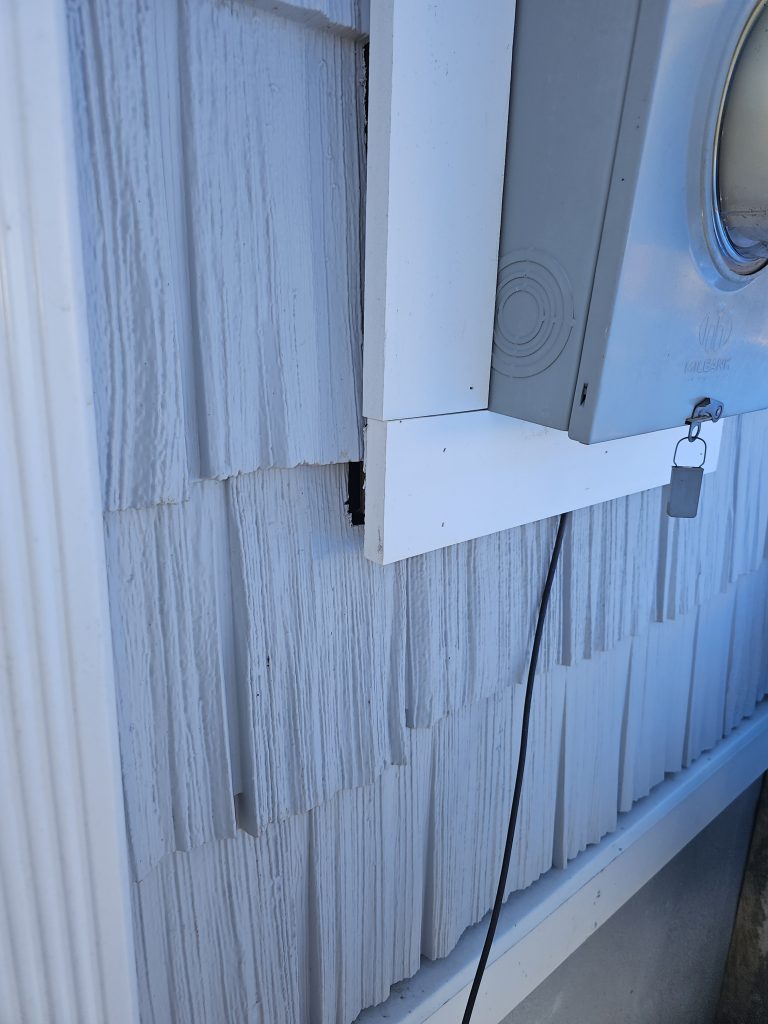
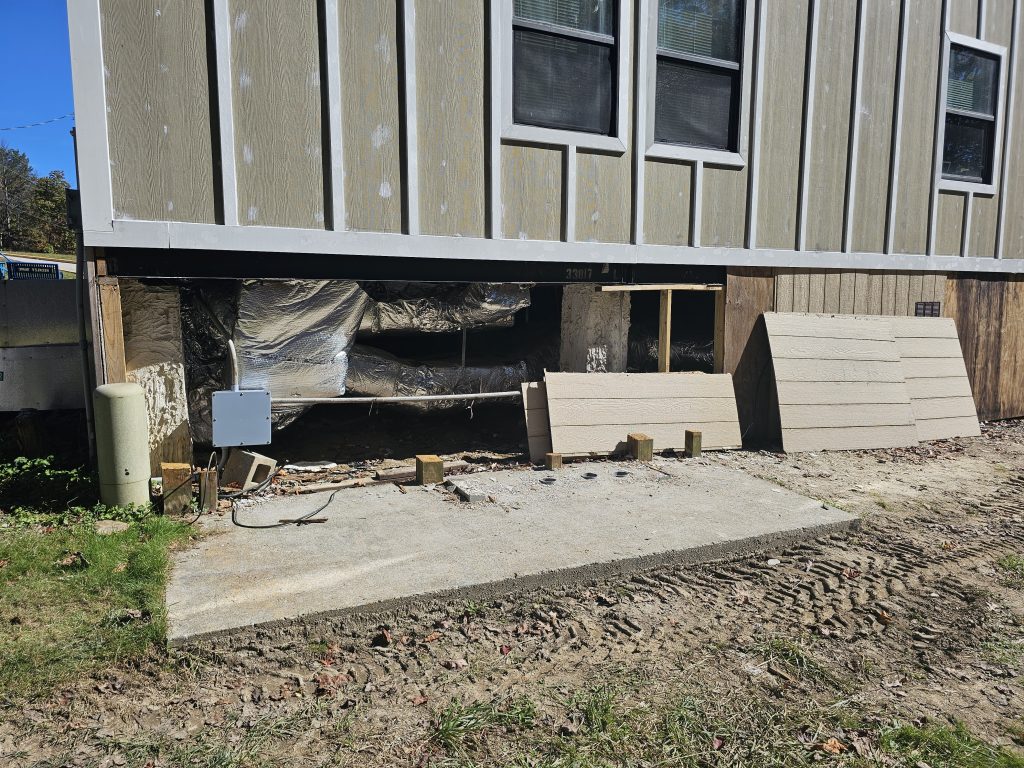
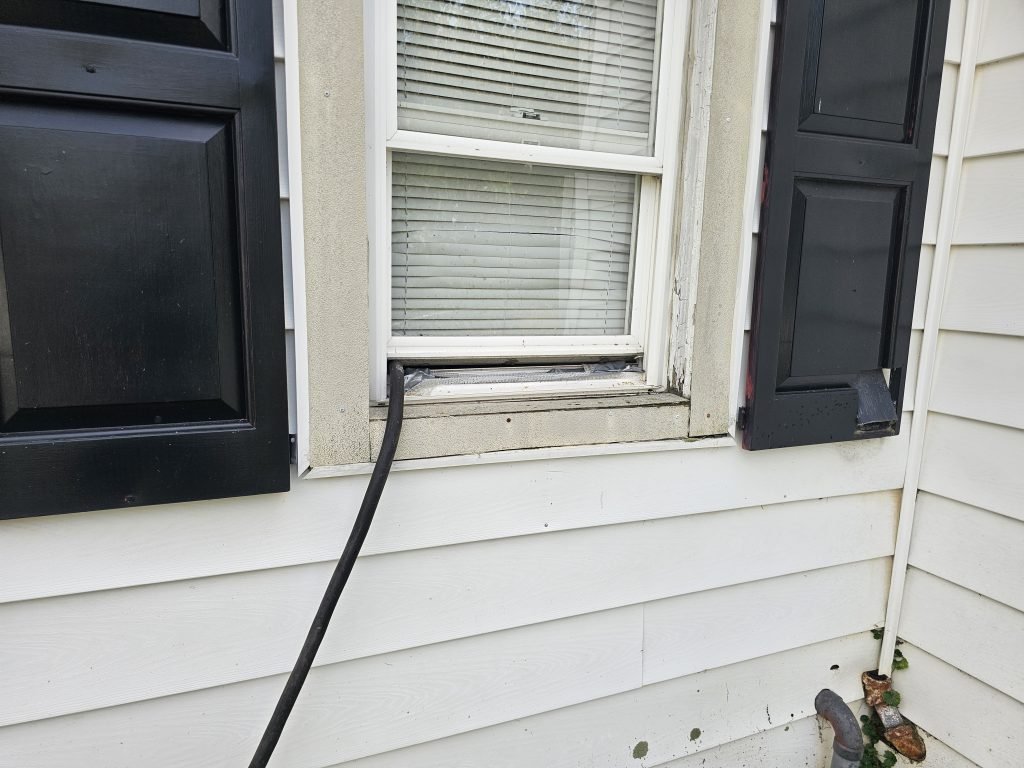
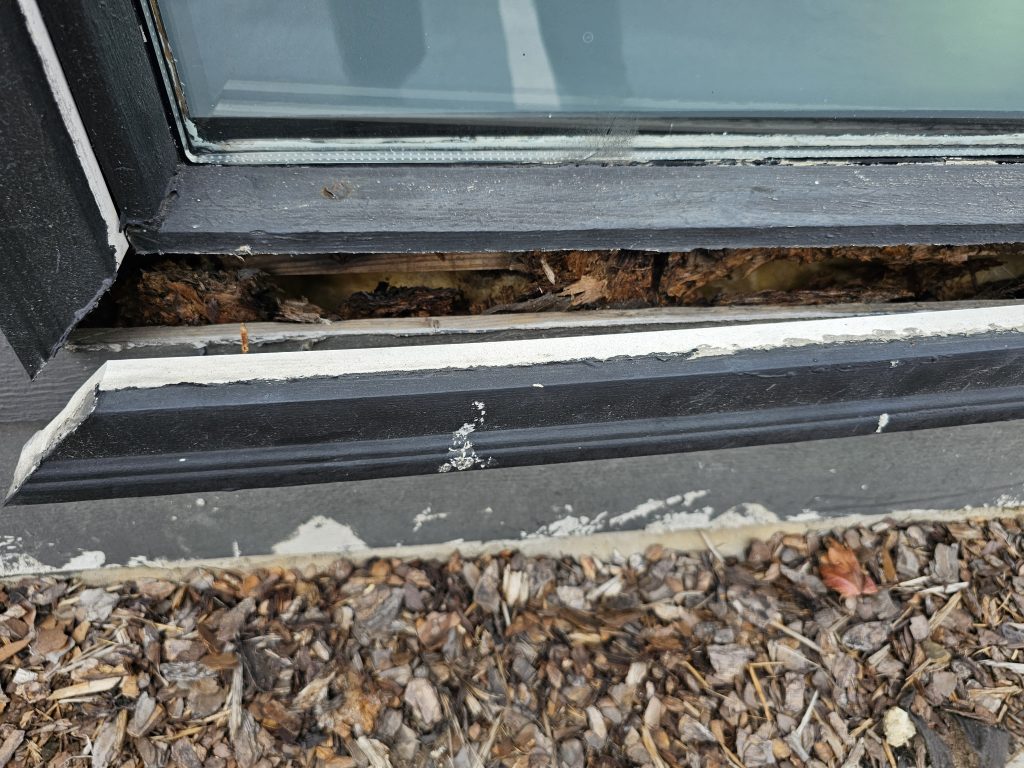
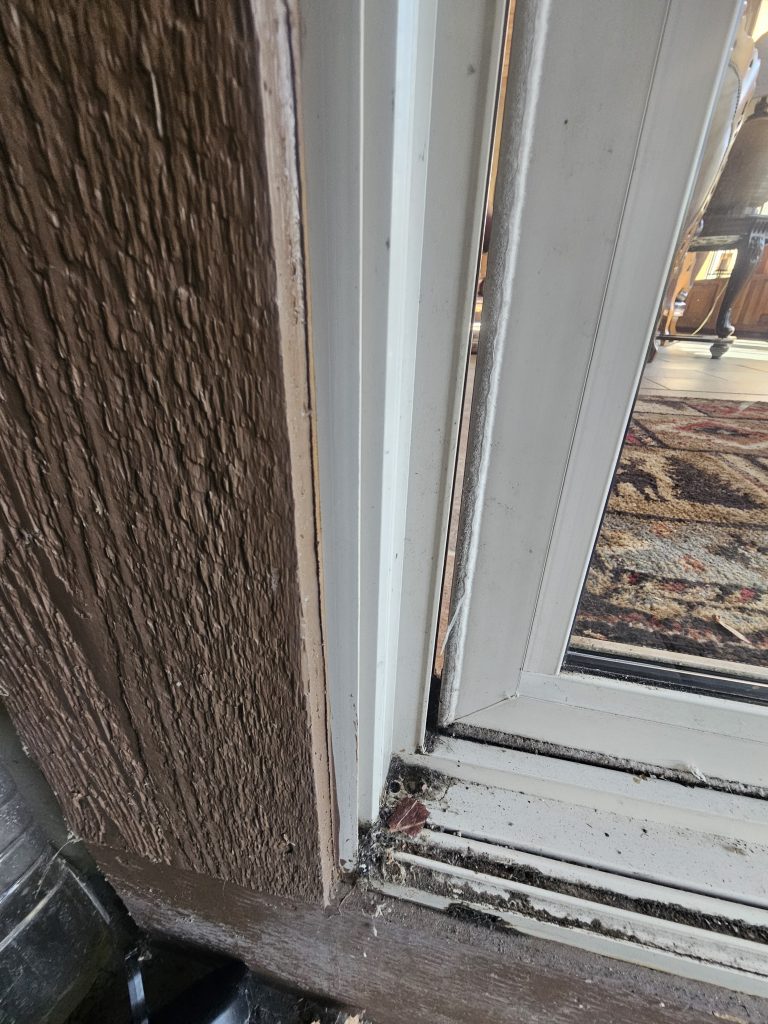
Our trained technicians will inspect your business or property to locate any conducive pest conditions and identify the species, entry and/or harborage areas. Typically windows, doors, or eaves/flashing.
Pest Control WV will determine the treatment method based on species and findings during the inspection. Treatment and Cost depends on species and infestation. Some fly species are related to cleanliness, while others are related to animals, or conducive conditions.

Fly Control Treatment/Program
Pest Control WV will determine the best treatment method based on the results of the inspection.
For one-time fly issues, our technicians will help remediate the issue and provide ongoing prevention tips or suggest and ongoing fly control program for some properties with food service, and/or zero tolerance for flying pests.

Follow Up & Prevention
Pest Control WV typically offers a few options, including one-time treatments and ongoing fly control programs. We will let you know our thoughts on how the infestation started based on the inspection and information given. We will then give you tips to prevent future outbreaks.
Seal windows/doors, flashing, and or roof entry points around eaves or vent caps.

Stress Free Guarantee
Pest Control WV guarantees their work. We continually evaluate our technicians, tools, products and methods to ensure we are competing with the industry's best available on the market.
In addition, we offer a Commercial Pest Assessment Add on conducted during treatment when applicable, which can help to prevent future pest outbreaks with ongoing prevention.
Fly Solutions for Your Business
Some common house flies in the home are common. However, which since there are a few different species of flies, we always like to schedule a Free Inspection in order to identify the species and provide a recommendation for treatment and ongoing prevention.
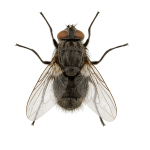
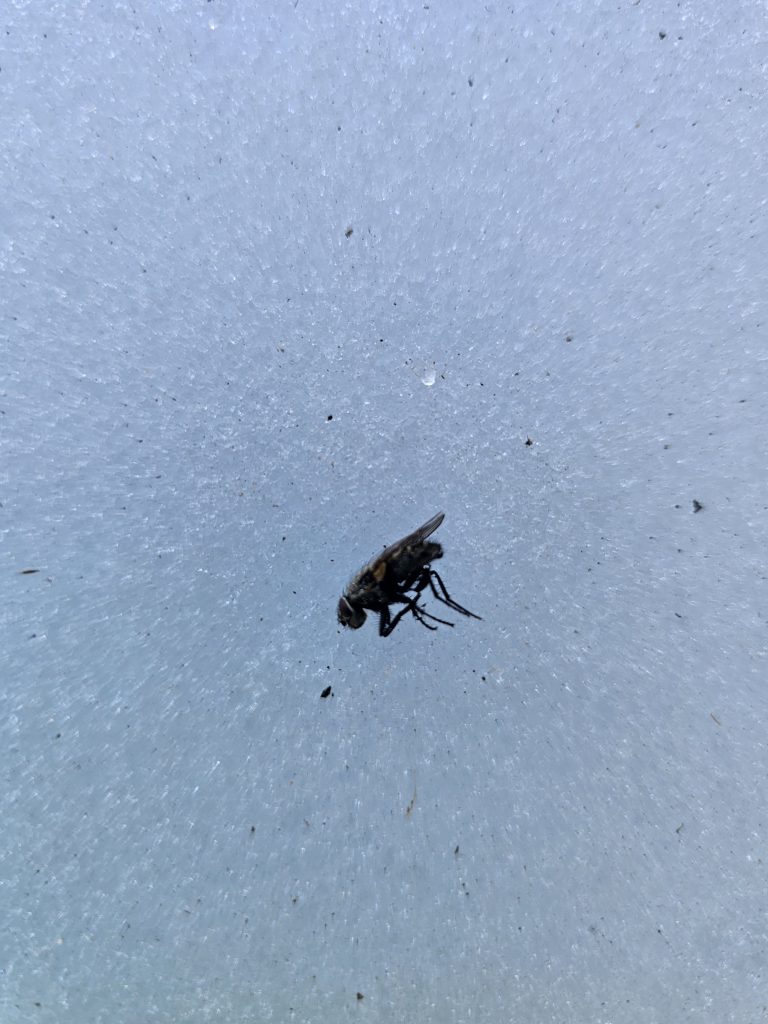
- House Fly (Musca domestica): Gray, medium-sized, commonly found around food and waste.
Some examples of Other types of flies Covered
- Fruit Fly (Drosophila spp.): Small, often with red eyes, found near rotting produce.
- Blow Flies (Bottle Flies): Larger flies with metallic blue, green, or black bodies; attracted to meat and garbage.
- Drain Flies/Filter Flies: Small, fuzzy, moth-like flies that breed in organic slime in drains and pipes.
- Cluster Flies: Large, grayish flies that often invade homes in large numbers in autumn to overwinter.
- Phorid Flies (Humpbacked Flies): Small flies that run erratically, often found near decaying organic matter or in drains.
- Darkwing Fungus Gnats: Small, dark flies often found around houseplants and moisture.
COMMERCIAL FLY CONTROL IN WEST VIRGINIA
Flies are one of the most consequential pest problems a West Virginia business can face. In a restaurant, a single fly landing on a prepared food surface is a health code violation. In a food production facility, fly activity can trigger a shutdown. In a care home, it signals a failure of sanitation standards to inspectors and families alike. Unlike residential fly issues, commercial fly control requires a structured, ongoing program — not a one-time treatment.
Pest Control WV provides commercial fly management programs designed around the specific risks and regulatory environments of your industry. We serve food service operations, food production and processing facilities, convenience stores, warehouses, care homes, schools, and other commercial accounts across Greenbrier, Raleigh, Monroe, Pocahontas, and Summers Counties.
WHY FLIES ARE A CRITICAL COMMERCIAL PEST
Flies are mechanical vectors of disease — they transfer bacteria, pathogens, and parasites from contaminated surfaces to food, food-contact surfaces, and preparation areas. House flies have been documented carrying over 100 pathogens, including Salmonella, E. coli, Listeria, and Campylobacter. A single house fly can make up to 300 spot contacts per hour while feeding and moving through a facility.
For regulated industries, fly activity is not simply a nuisance — it is a documented risk factor in:
- FDA and USDA facility inspections
- West Virginia Department of Health restaurant inspections
- ServSafe and HACCP compliance documentation
- Customer complaints and negative online reviews
- Product recalls and liability exposure for food processors
A proactive fly prevention program is far less costly than a failed inspection, a temporary closure, or the reputational damage of a public health incident.
FLY SPECIES COMMONLY FOUND IN COMMERCIAL FACILITIES
Understanding which species is present is the first step to effective control — each has different breeding sources and behaviors.
House Fly (Musca domestica)
The most common commercial pest fly. Breeds in garbage, organic waste, dumpster areas, grease traps, and spilled food. Completes its life cycle in as little as 8 days in warm conditions. The primary fly associated with food contamination in commercial kitchens and food production environments.
Blow Flies and Bottle Flies (Calliphora, Lucilia, Phormia species)
Metallic green or blue flies. Breed in decomposing protein — decaying meat, dead animals in wall voids, and organic waste in dumpster areas. Their sudden appearance in large numbers almost always indicates a dead animal in the building envelope or a waste management problem.
Drain Flies / Moth Flies (Psychoda species)
Tiny, fuzzy, moth-like flies that breed exclusively in the organic biofilm lining floor drains, grease traps, and slow-moving drain pipes. Extremely common in commercial kitchens and restrooms. Standard pesticide sprays do not eliminate drain flies — the biofilm breeding source must be treated directly.
Phorid Flies / Humpbacked Flies (Megaselia species)
Small flies with a distinctive humped thorax. Breed in a wide range of decaying organic matter, including drain lines, garbage compactors, under floor tiles with organic buildup, and even in spaces beneath cracked concrete slabs where organic material has accumulated. Difficult to eliminate without identifying non-obvious breeding sources.
Fruit Flies (Drosophila species)
Breed in fermenting organic matter — overripe fruit, wine and beer residue, mop buckets, floor drain biofilm, and improperly cleaned bar equipment and soda dispensers. Extremely common in bars, restaurants, cafeterias, and produce sections. A fruit fly problem that persists despite cleaning almost always has a hidden breeding source: a forgotten drain, a floor sink with standing water, or residue beneath bar mats.
Fungus Gnats
Often misidentified as fruit flies. Breed in moist soil — most commonly overwatered decorative plants in lobbies, dining rooms, and offices. Control requires treating the soil or removing affected plants, not pesticide sprays.
COMMERCIAL FLY BREEDING SOURCE IDENTIFICATION
No fly treatment program will succeed without locating and eliminating breeding sources. Pest Control WV conducts a structured breeding source inspection as part of every commercial fly program. Common sources we identify in WV commercial facilities:
Food Service and Restaurant Environments
- Floor drains with organic biofilm accumulation — the single most common and most overlooked breeding site
- Grease traps not on a regular pump-out schedule
- Residue beneath bar mats, anti-fatigue mats, and floor sink grates
- Gaps beneath and behind food prep equipment where organic debris accumulates
- Mop storage areas with standing water or dirty mop heads
- Dumpster enclosures with drainage issues or infrequent cleaning
- Recycling bins with unwashed bottles and cans
Food Production and Processing Facilities
- Floor drains throughout the production floor
- Processing waste staging areas and floor-level organic accumulation
- Cold storage drain pans and condensate lines
- Improperly sealed waste containers on the production floor
- Loading dock areas with organic debris
Care Homes and Medical Facilities
- Kitchen and dishwashing area floor drains
- Soiled linen holding areas
- Medical waste staging areas
- Dumpster and compactor areas
Warehouses and Storage Facilities
- Spilled product in racking areas
- Damaged goods staging areas
- Loading dock gaps and organic debris at dock levelers
- Overhead doors that do not seal fully to the floor
THE COMMERCIAL FLY PREVENTION PROGRAM
Pest Control WV's commercial fly program is built around four integrated components. Treating flies without addressing all four consistently produces temporary results.
1. BREEDING SOURCE ELIMINATION
We identify and document all active and potential breeding sources during the initial assessment and on each service visit. We provide written recommendations to facility management for sanitation and structural corrections. In many cases, improved sanitation alone can eliminate a fly problem — treatment accelerates control but cannot replace it.
2. EXCLUSION AND STRUCTURAL RECOMMENDATIONS
We evaluate all fly entry points and make written recommendations for:
- Air curtain installation or upgrade at high-traffic entry doors
- Door sweep and seal repair or replacement
- Window and vent screen repair
- Dock door seal condition
- Exterior lighting changes (switching to sodium vapor or LED warm-spectrum lights that are less attractive to flies)
3. INSECT LIGHT TRAP (ILT) PROGRAM
Insect light traps are the cornerstone of an interior commercial fly program. Properly positioned ILTs attract and capture flying insects without pesticide exposure near food contact surfaces, and provide ongoing population monitoring data. Pest Control WV installs, services, and maintains ILTs appropriate for your facility type and size. We replace glue boards on a regular schedule and provide catch log documentation for inspection records.
ILT placement is critical. Common mistakes in DIY or low-quality programs include:
- Placing units where UV light is visible from the front entrance (attracting flies in from outside)
- Positioning units directly above food prep surfaces (a health code violation)
- Undersizing unit coverage for the facility square footage
- Failing to replace glue boards on schedule, reducing catch efficiency
4. RESIDUAL AND TARGETED PESTICIDE APPLICATIONS
Where appropriate and permitted by the facility type, targeted residual treatments are applied to non-food-contact surfaces — exterior walls, dumpster enclosures, loading dock areas, refuse staging zones, and exterior entry points. Drain treatment with enzymatic biofilm eliminators and insect growth regulators addresses drain fly and phorid fly breeding sources without introducing pesticides into active drain lines.
All pesticide applications in commercial food facilities comply with label requirements and food safety regulations. Application records are documented and available for inspection file review.
SERVICE FREQUENCY AND DOCUMENTATION
Commercial fly programs are not one-time events. Fly pressure varies seasonally — peak pressure in WV typically runs May through October — and breeding sources regenerate continuously in active commercial kitchens and production environments.
Pest Control WV recommends service frequencies based on facility type and fly pressure:
Weekly or Bi-Weekly Service: Recommended for full-service restaurants, food production facilities, and any account with a history of failed health inspections related to fly activity. Provides maximum breeding source monitoring and early identification of new sources.
Monthly Service: Appropriate for lower-pressure commercial accounts — offices, retail, care homes, and warehouses where fly activity is seasonal or intermittent.
Seasonal Programs: For businesses that operate seasonally or have fly pressure concentrated in warm months, a May–October program provides structured coverage during peak risk periods.
Every service visit includes a written log documenting conditions observed, treatments applied, breeding sources identified, and recommendations issued. This documentation is provided to facility management and is available as part of your pest control records for health department and third-party audits.
REGULATORY COMPLIANCE AND DOCUMENTATION
West Virginia food service facilities are subject to inspection by the WV Department of Health and Human Resources (DHHR) Bureau for Public Health. Pest activity — particularly flies — is a directly cited deficiency in food service inspections. Maintaining a documented, ongoing pest control program with a licensed pest control operator is one of the most effective ways to demonstrate due diligence to inspectors.
Pest Control WV provides:
- Signed service reports for every visit
- Pesticide application records with product names, EPA registration numbers, and application locations
- ILT catch log documentation
- Written breeding source reports and corrective action recommendations
These records are your evidence of a proactive, professionally managed fly prevention program — documentation that matters when an inspector arrives or when a customer complaint is filed.
HOW TO GET STARTED
Contact Pest Control WV to schedule a commercial pest assessment for your facility. We will inspect the property, identify current and potential fly breeding sources, assess existing exclusion and sanitation conditions, and provide a written program recommendation and service proposal. There is no obligation, and assessments are available for all commercial account types across our coverage area.
Pest Control WV serves commercial accounts in Greenbrier, Raleigh, Monroe, Pocahontas, and Summers Counties, West Virginia.
Some examples of areas covered
- Pest Control in Residential Homes
- Pest Control In Air BnB and Rental Homes
- Pest Control in Apartments and Multi-Unit Housing
- Pest Control In Care Homes and Medical Facilities
- Pest Control in Club Houses and Halls
- Pest Control in Convenience Stores and Quick Service
- Pest Control in Courthouses and Government Buildings
- Pest Control In Factories and Warehouses
- Pest Control in Firehouses and Police Stations
- Pest Control in Food Production and Service
- Pest Control in Funeral Homes and Places of Worship
- Pest Control in Offices and Public Buildings
- Pest Control In Schools and Daycare Facilities
- Pest Control in Shopping Plazas and Storefronts
- and more...
Did You Know?
Flies taste with their feet, allowing them to instantly sample food sources upon landing.
Additionally, They also consume only liquids, as they lack teeth, forcing them to vomit saliva to dissolve solid food first. Their incredibly fast vision allows them to process information 10 times faster than humans, making them nearly impossible to swat by a human.
Free Inspections! Get Rid of Flies Today!
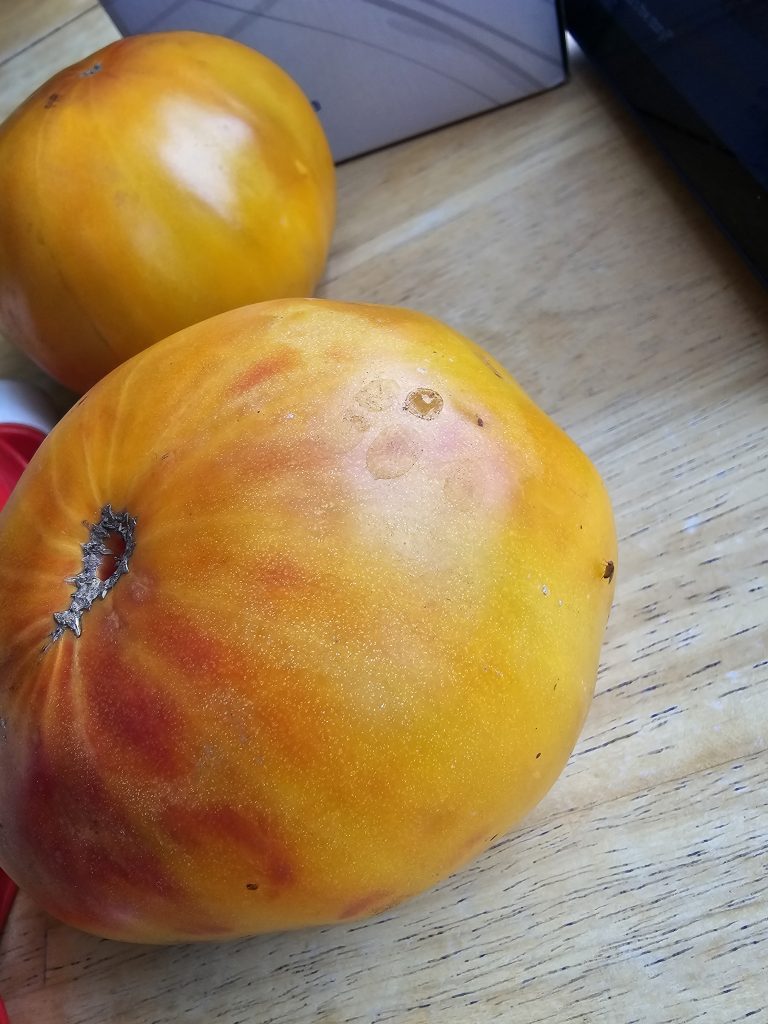
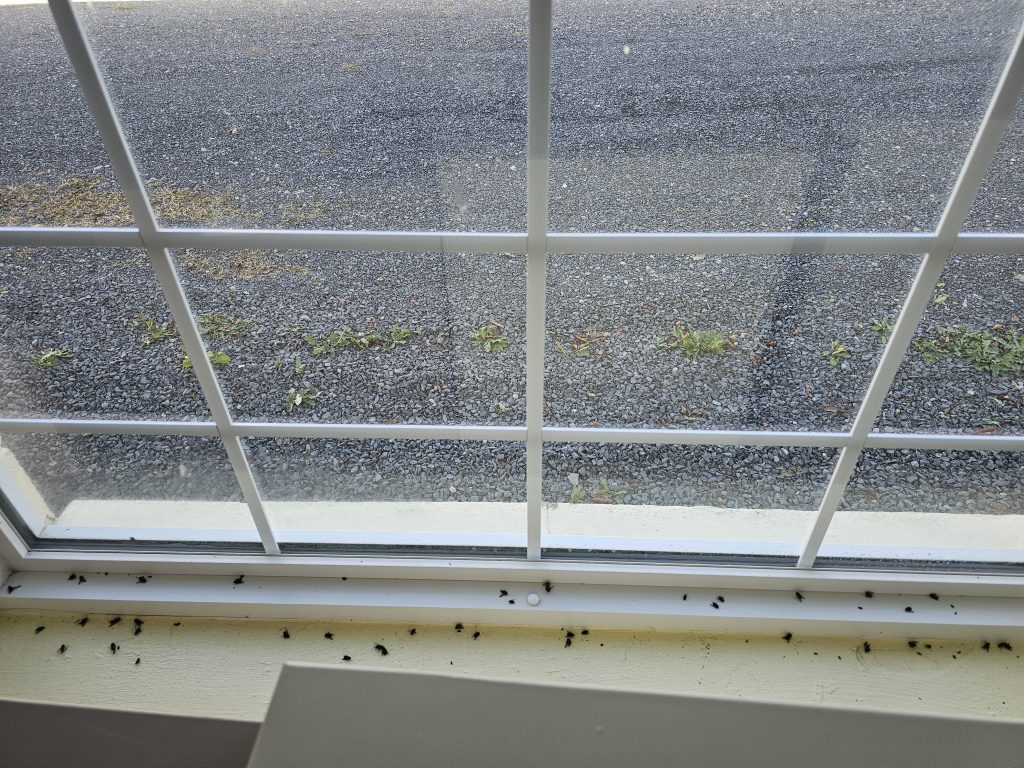
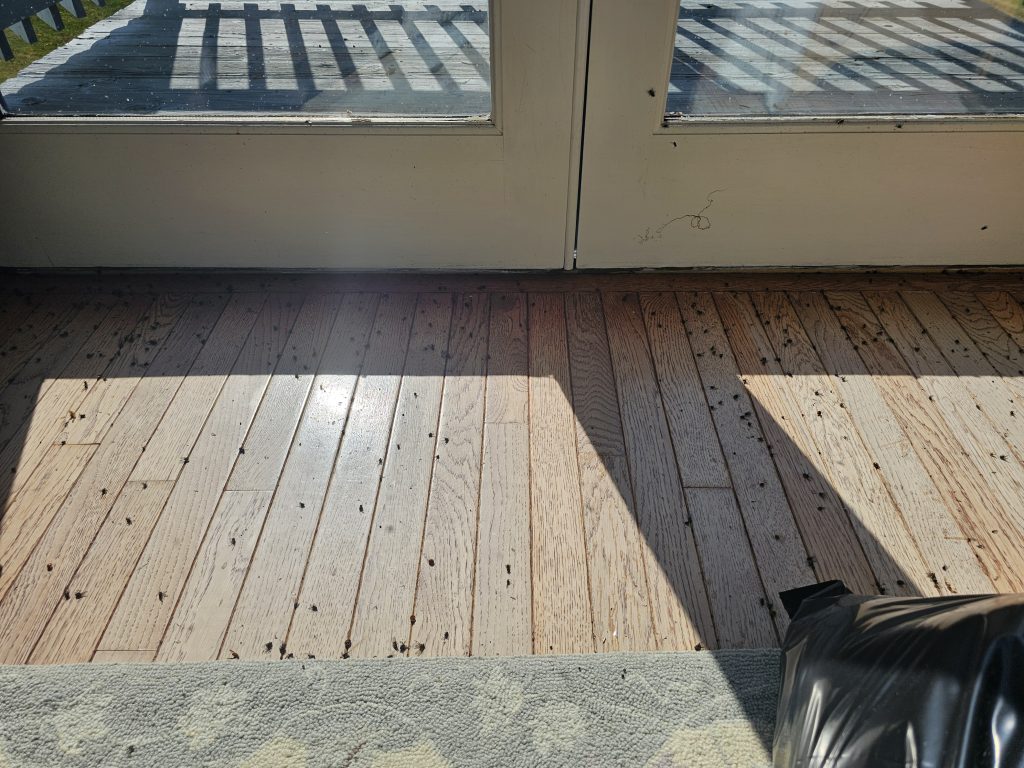
Pictures of Fly Infestation Evidence