
Initial Inspection
Our trained technicians will inspect your home or business to locate any conducive pest conditions and identify the species, entry and/or harborage areas.
Pest Control WV will determine the treatment method based on species and findings during the inspection. Treatment and Cost depends on species and infestation. Some fly species are related to cleanliness, while others are related to animals, or conducive conditions.

Fly Control Treatment/Program
Pest Control WV will determine the best treatment method based on the results of the inspection.
For one-time fly issues, our technicians will help remediate the issue and provide ongoing prevention tips or suggest and ongoing fly control program for some properties with food service, and/or zero tolerance for flying pests.

Follow Up & Prevention
Pest Control WV typically offers a few options, including one-time treatments and ongoing fly control programs. We will let you know our thoughts on how the infestation started based on the inspection and information given. We will then give you tips to prevent future outbreaks.
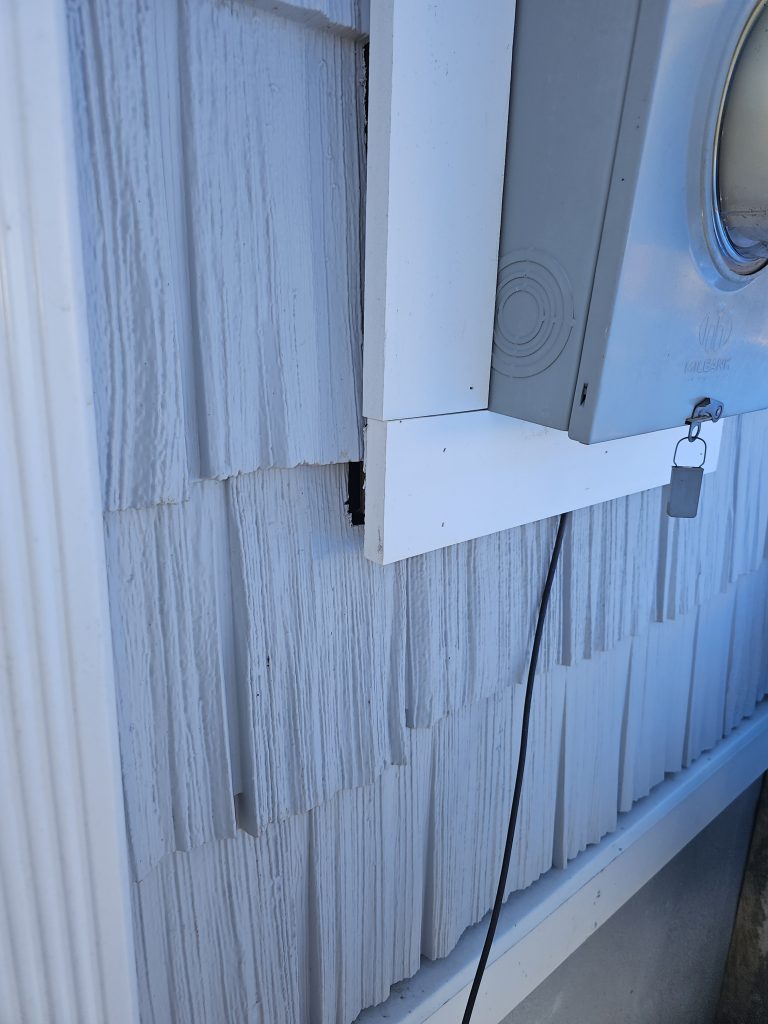
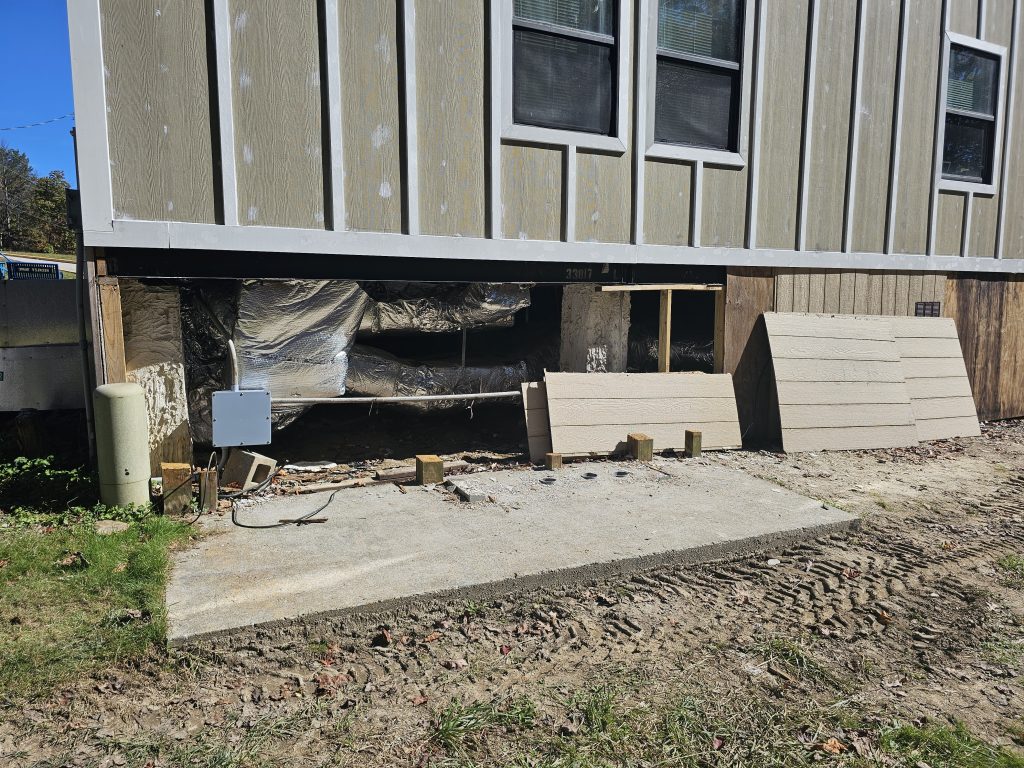
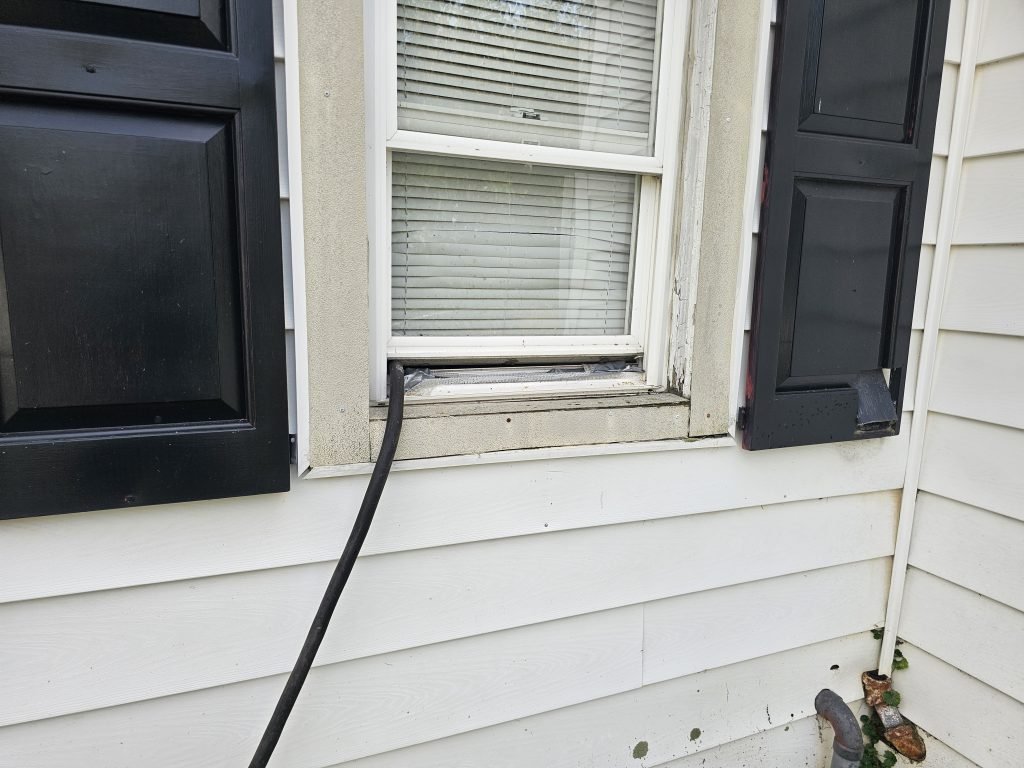
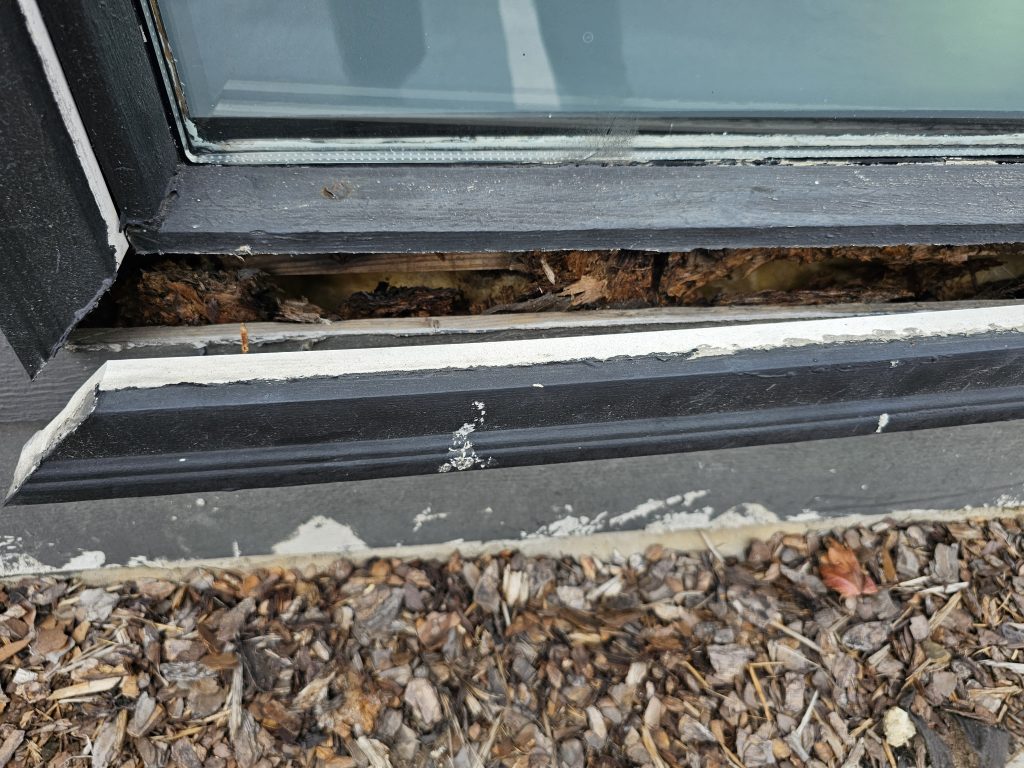
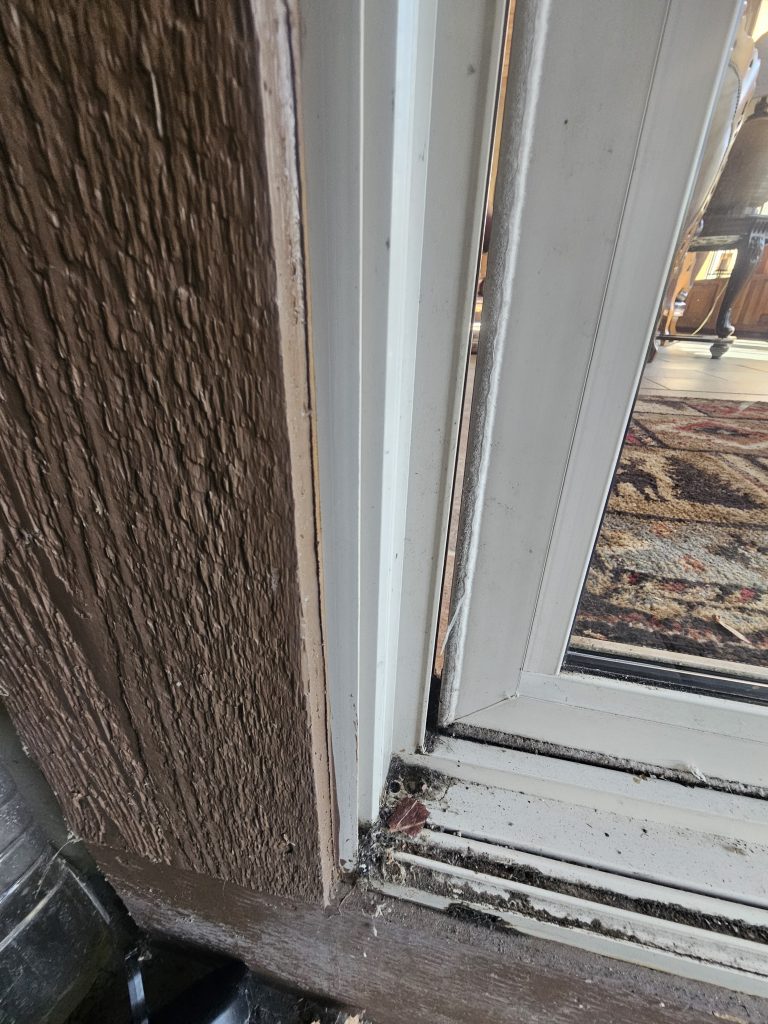
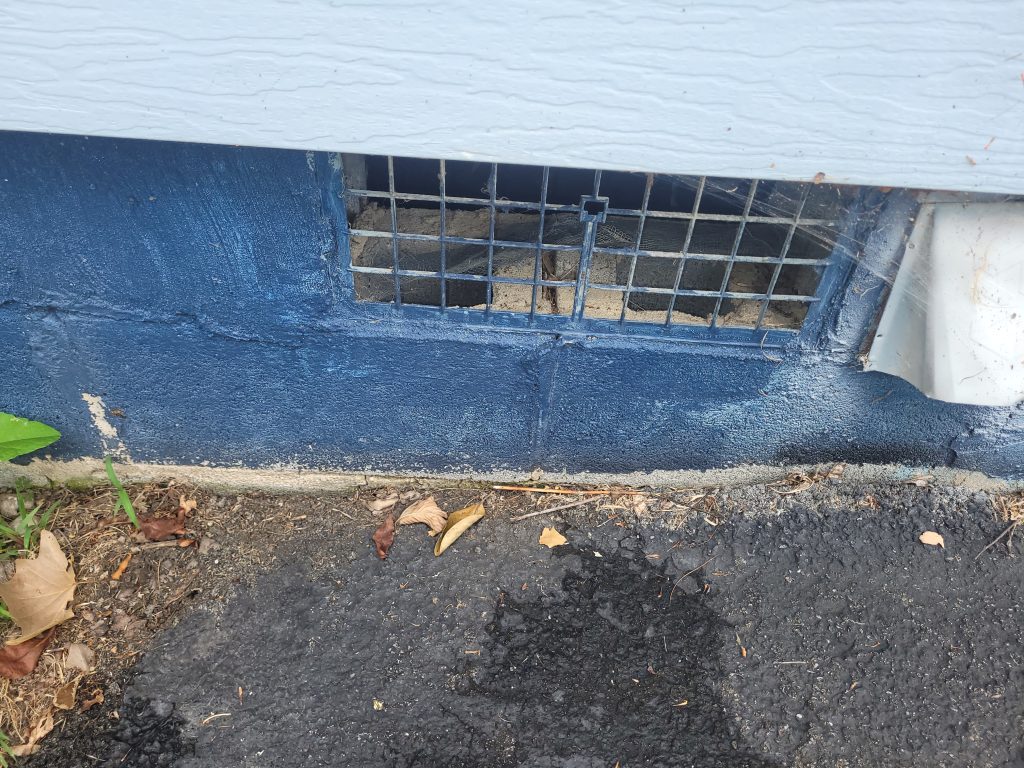
Changing environment factors and/or sealing entry points around doors, windows and other areas may be necessary or recommended for long term control.

Stress Free Guarantee
Pest Control WV guarantees their work. We continually evaluate our technicians, tools, products and methods to ensure we are competing with the industry's best available on the market. In addition, we offer a Free Pest Assessment, conducted during treatment, which can help to prevent future pest outbreaks with ongoing prevention.
Filth Fly Solutions for Your Home & Business
Some common house flies in the home are common. However, which since there are a few different species of flies, we always like to schedule a Free Inspection in order to identify the species and provide a recommendation for treatment and ongoing prevention.
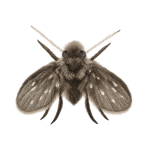
Drain Flies/Filter Flies: Small, fuzzy, moth-like flies that breed in organic slime in drains and pipes.
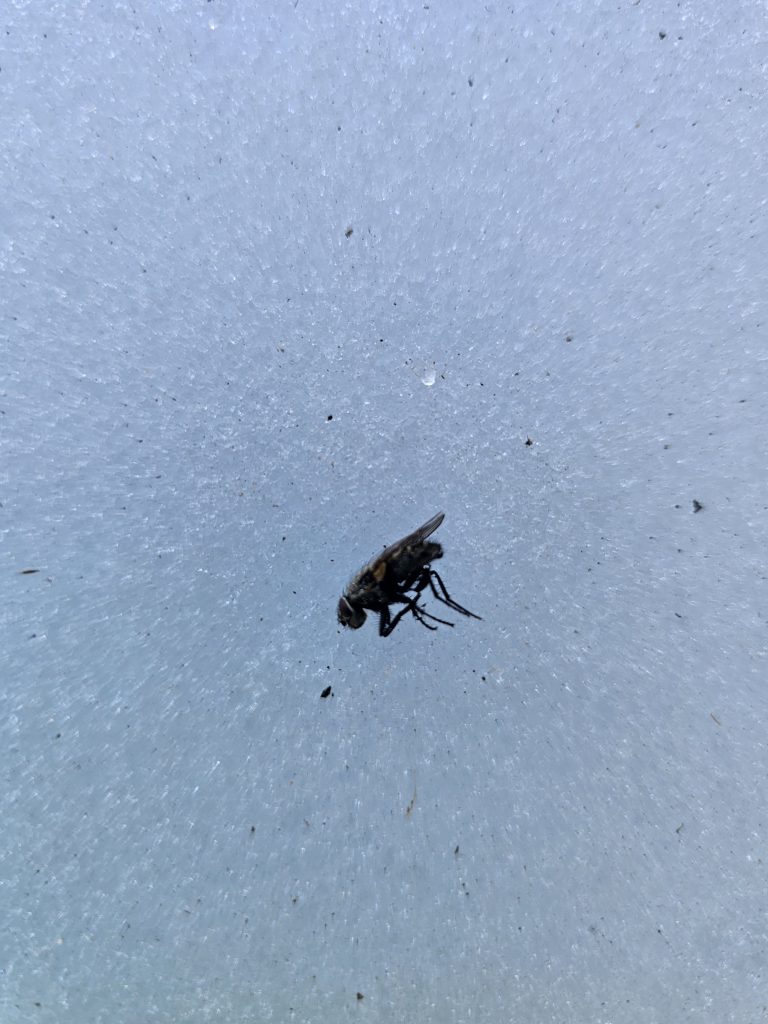
House Fly (Musca domestica): Gray, medium-sized, commonly found around food and waste.
Fruit Fly (Drosophila spp.): Small, often with red eyes, found near rotting produce.
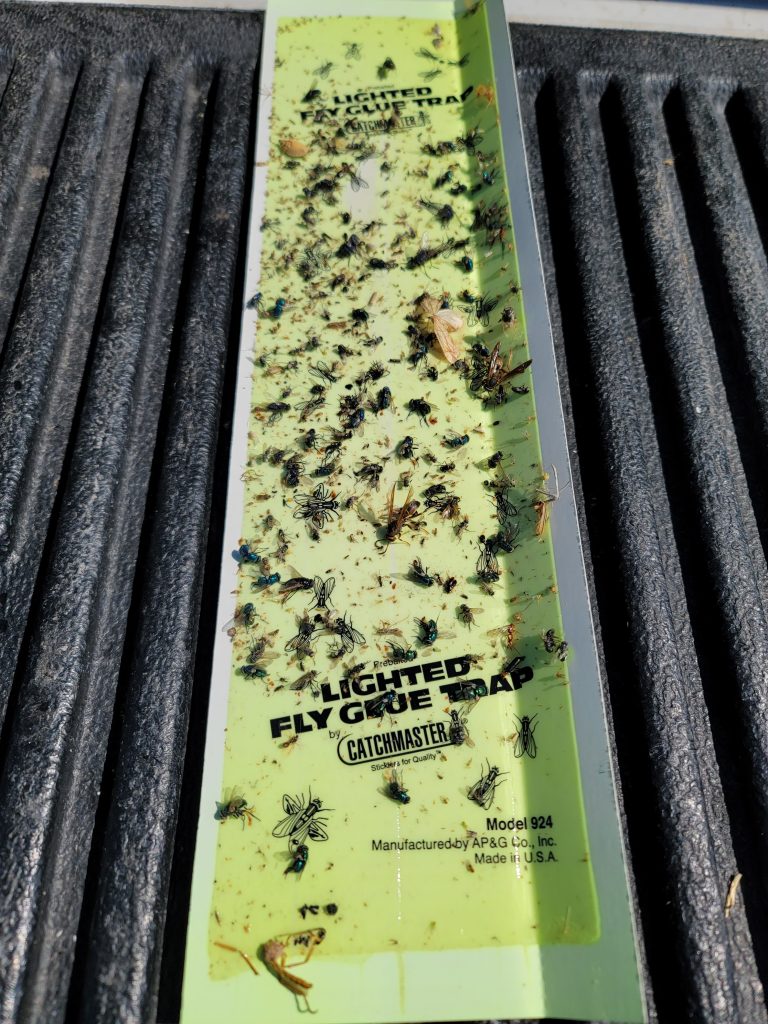
Blow Flies (Bottle Flies): Larger flies with metallic blue, green, or black bodies; attracted to meat and garbage.
Stable Flies (Stomoxys calcitrans): Similar to house flies but bite, common around barns and pet areas.
Darkwing Fungus Gnats: Small, dark flies often found around houseplants and moisture.
Phorid Flies (Humpbacked Flies): Small flies that run erratically, often found near decaying organic matter or in drains.
FILTH FLY CONTROL IN WEST VIRGINIA
House flies, bottle flies, blow flies, and drain flies collectively fall under the category of "filth flies" — flies that breed in decomposing organic matter, garbage, animal waste, and drains. For commercial food service operations, restaurants, food production facilities, and care homes in West Virginia, filth fly activity is a regulatory concern and a direct threat to food safety and reputation.
COMMON FILTH FLY SPECIES IN WV
House Fly (Musca domestica): The most common species. Breeds in garbage, manure, compost, and decaying organic matter. A single female lays up to 500 eggs across her lifetime; eggs hatch within 24 hours in warm conditions. Bottle Flies and Blow Flies (Calliphora, Phaenicia species): Metallic green or blue. Breed in decaying meat, dead animals, and organic waste. Their presence in a structure often indicates a dead animal in the wall or crawlspace. Drain Flies (Psychoda species): Tiny, moth-like flies that breed in the organic film lining floor drains and slow-moving drain pipes. Common in commercial kitchens, restrooms, and utility areas.
SIGNS OF AN INFESTATION
- High numbers of flies inside a structure despite standard sanitation practices
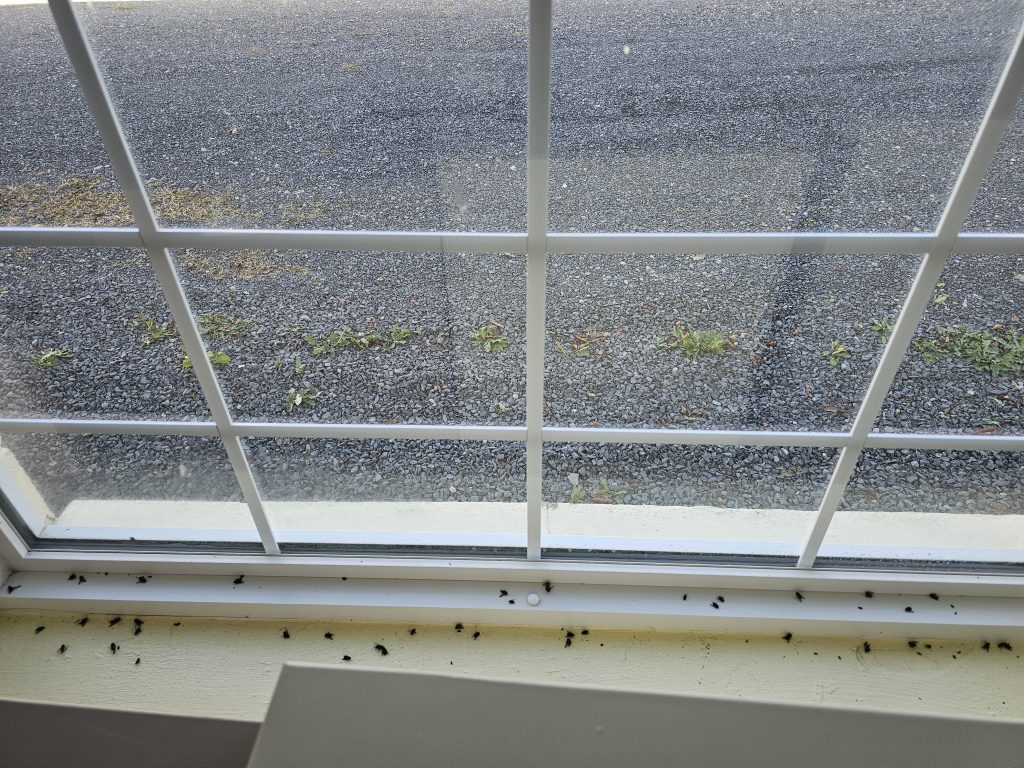
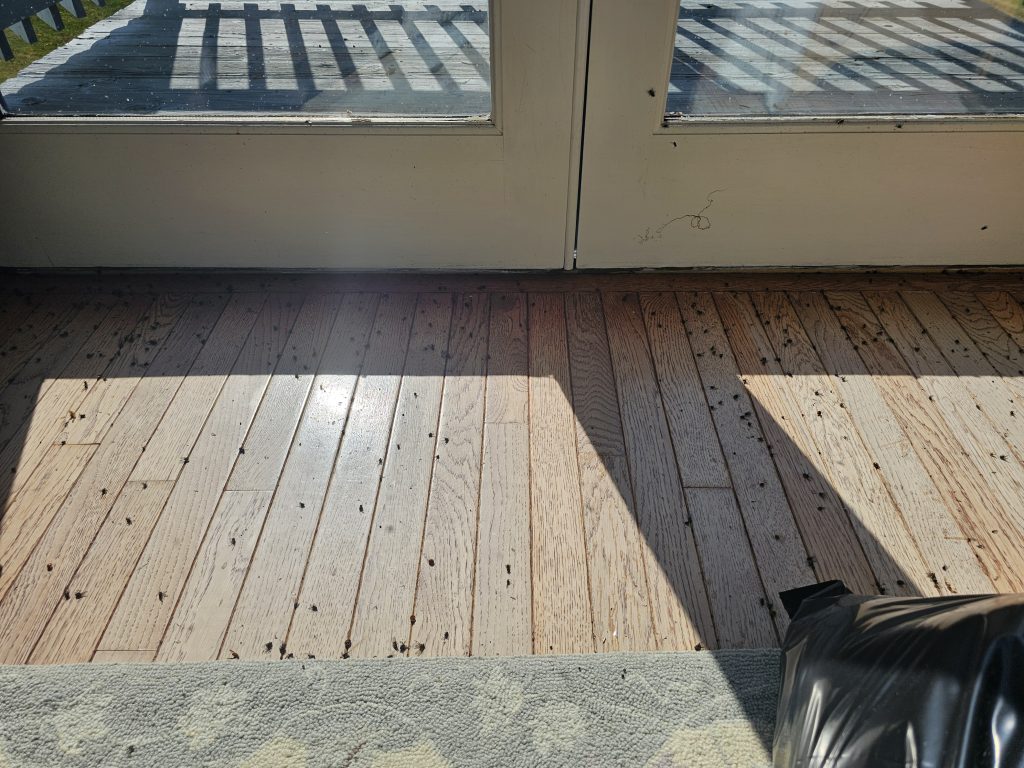
- Fly specks (small dark spots) on walls, ceilings, light fixtures, and windows
- Larvae (maggots) visible in waste areas, drains, or near dumpsters
- Drain fly adults clustering near floor drains or under sink counters
BREEDING SOURCE IDENTIFICATION — THE CRITICAL FIRST STEP
Fly treatments without identifying and eliminating the breeding source are temporary at best. Common breeding sources in WV commercial and residential properties:
- Garbage and dumpster areas with infrequent cleaning or drainage issues
- Grease traps and floor drains with organic buildup
- Improperly stored food waste and compost
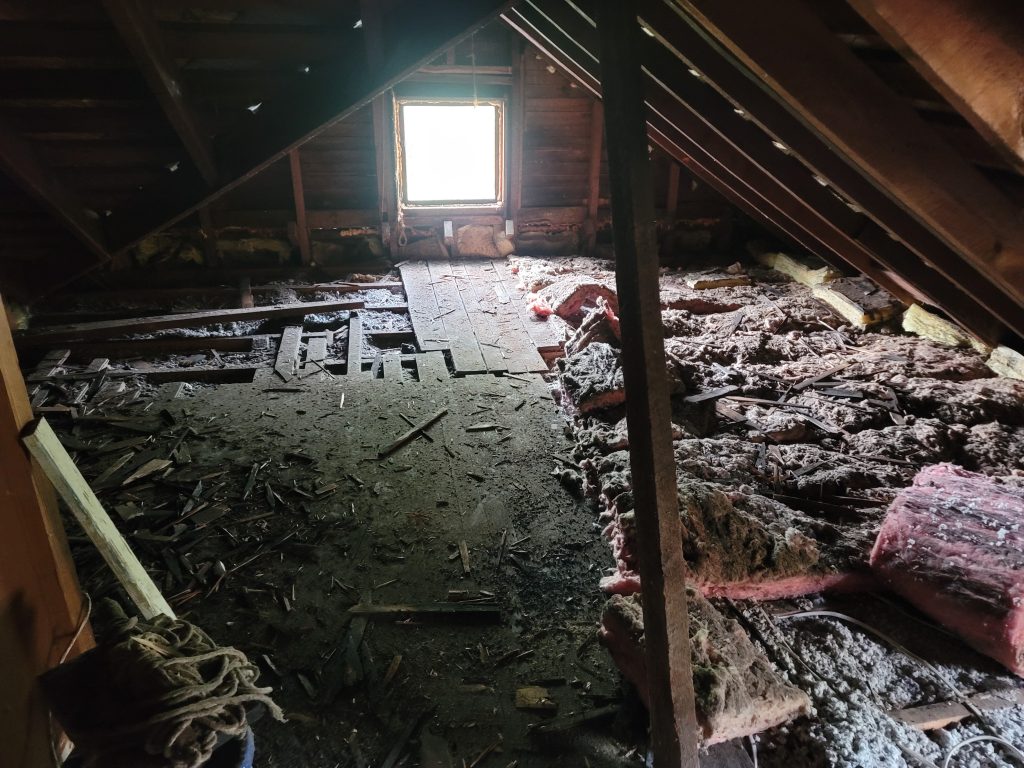
- Dead animals in wall voids or crawlspaces
- Animal manure near agricultural or rural properties
- Mop buckets, wet mops, and infrequently cleaned floor drains
PREVENTION AND SANITATION TIPS
1. Clean floor drains weekly with enzymatic drain cleaners to eliminate the organic film drain flies breed in.
2. Maintain dumpster area cleanliness — clean the dumpster pad and ensure bins have tight-fitting lids.
3. Move dumpsters as far from building entrances as practical.
4. Repair all exterior door sweeps and install fly screen doors or air curtains at high-traffic entries.
5. Address grease trap issues on a regular maintenance schedule.
6. Inspect for and remove dead animals if bottle/blow fly pressure is sudden and unexplained.
HOW WE TREAT FILTH FLIES
Pest Control WV approaches filth fly control through an IPM framework: breeding source identification first, followed by targeted treatments including residual surface applications, baiting, drain treatment with enzymatic products and insect growth regulators, and installation and maintenance of fly light traps (ILTs) for commercial accounts. We provide detailed sanitation reports for food service accounts as documentation for health inspections.
Some examples of Other types of other flies Covered
- Cluster Flies: Large, grayish flies that often invade homes in large numbers in autumn to overwinter.
- Deer Flies & Horse Flies: Large, biting flies that live near water and wooded areas.
Some examples of areas covered
- Pest Control in Residential Homes
- Pest Control In Air BnB and Rental Homes
- Pest Control in Apartments and Multi-Unit Housing
- Pest Control In Care Homes and Medical Facilities
- Pest Control in Club Houses and Halls
- Pest Control in Convenience Stores and Quick Service
- Pest Control in Courthouses and Government Buildings
- Pest Control In Factories and Warehouses
- Pest Control in Firehouses and Police Stations
- Pest Control in Food Production and Service
- Pest Control in Funeral Homes and Places of Worship
- Pest Control in Offices and Public Buildings
- Pest Control In Schools and Daycare Facilities
- Pest Control in Shopping Plazas and Storefronts
- and more...
Did You Know?
Filth flies (including house, blow, bottle, and fruit flies) are pests that breed in and feed on decaying organic matter, trash, and manure. They are major vectors of disease, carrying bacteria like E. coli and Salmonella on their bodies and in their waste, transferring them to food and surfaces.
Free Inspections! Get Rid of Filth Flies Today!
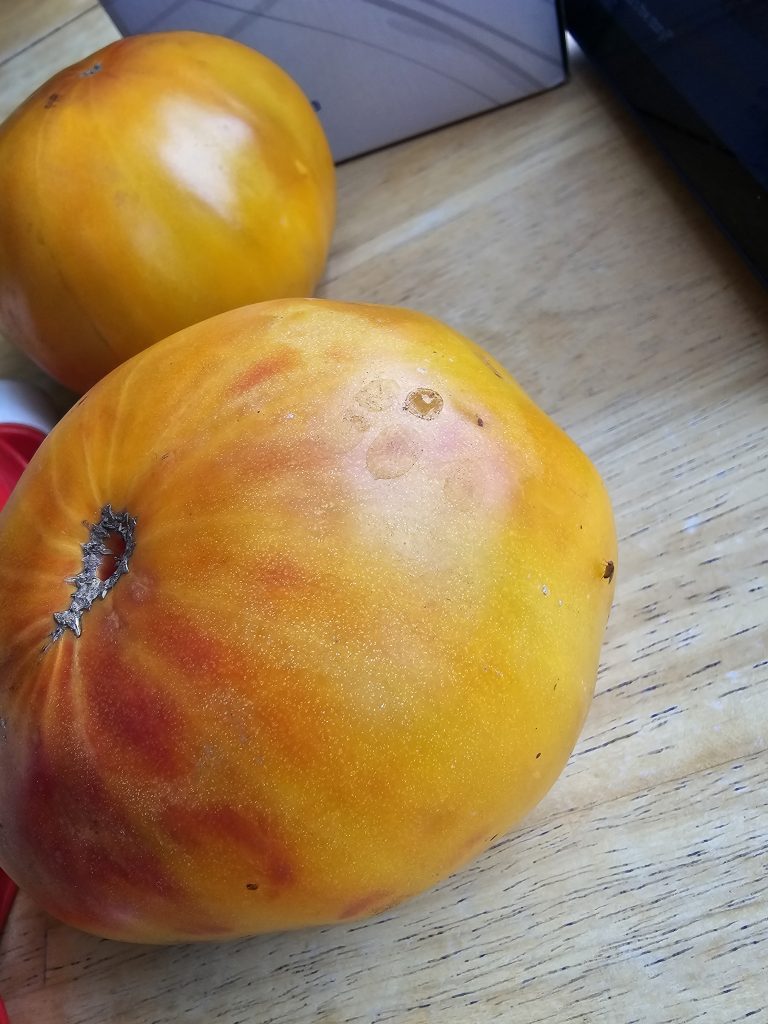
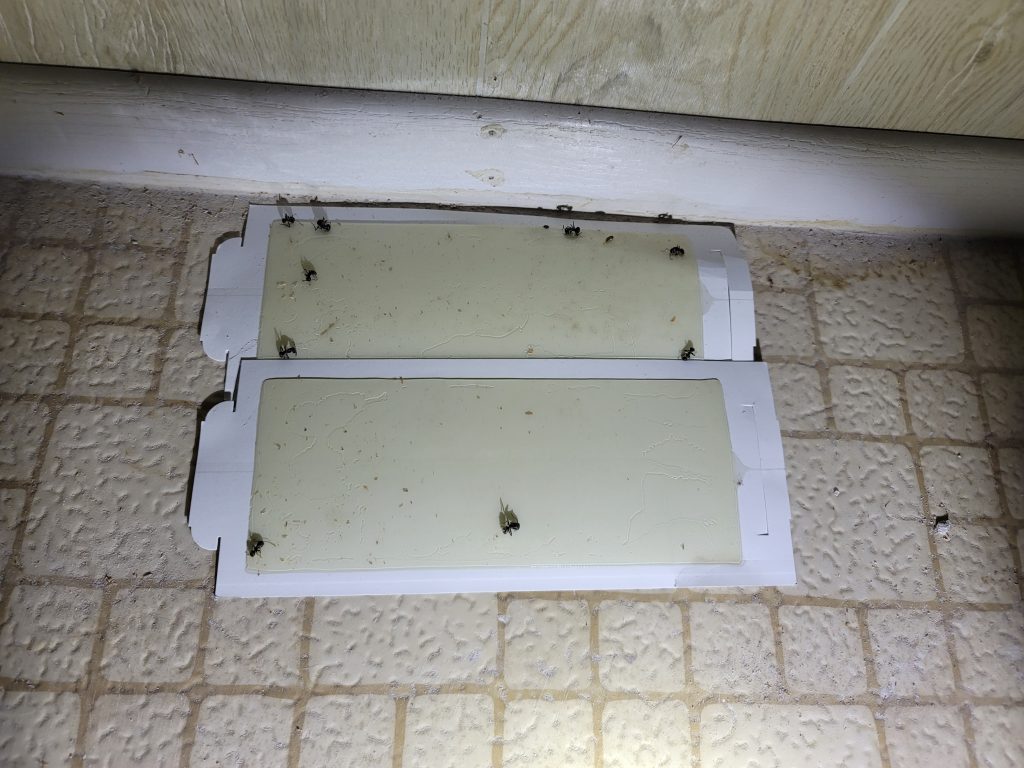
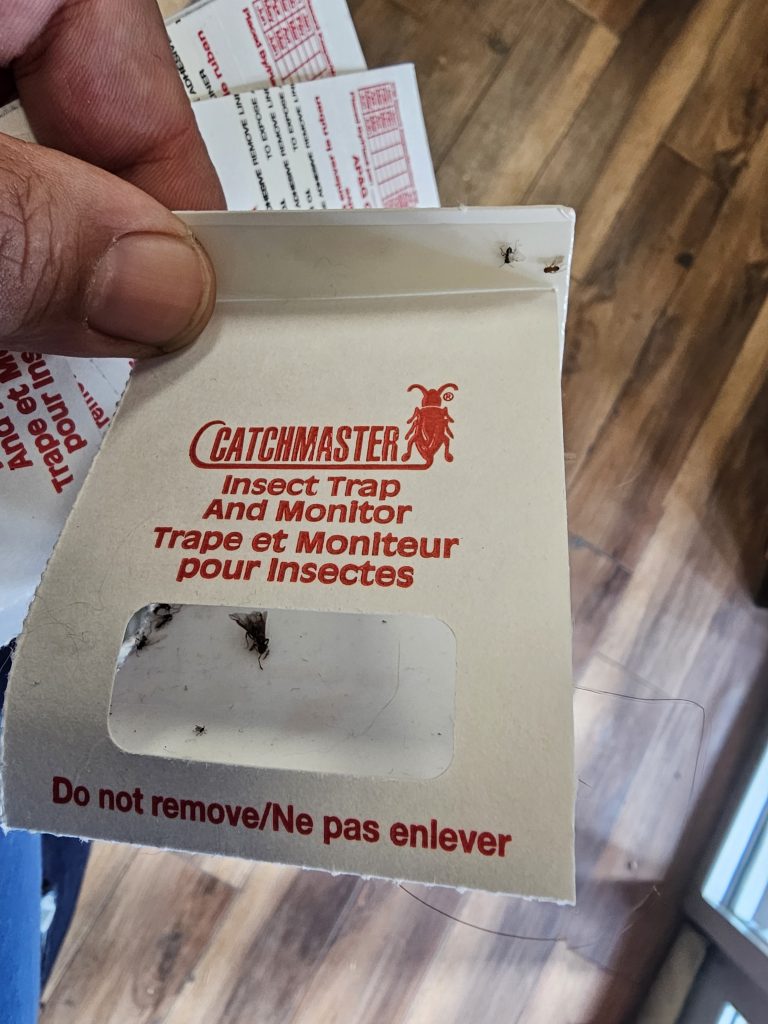
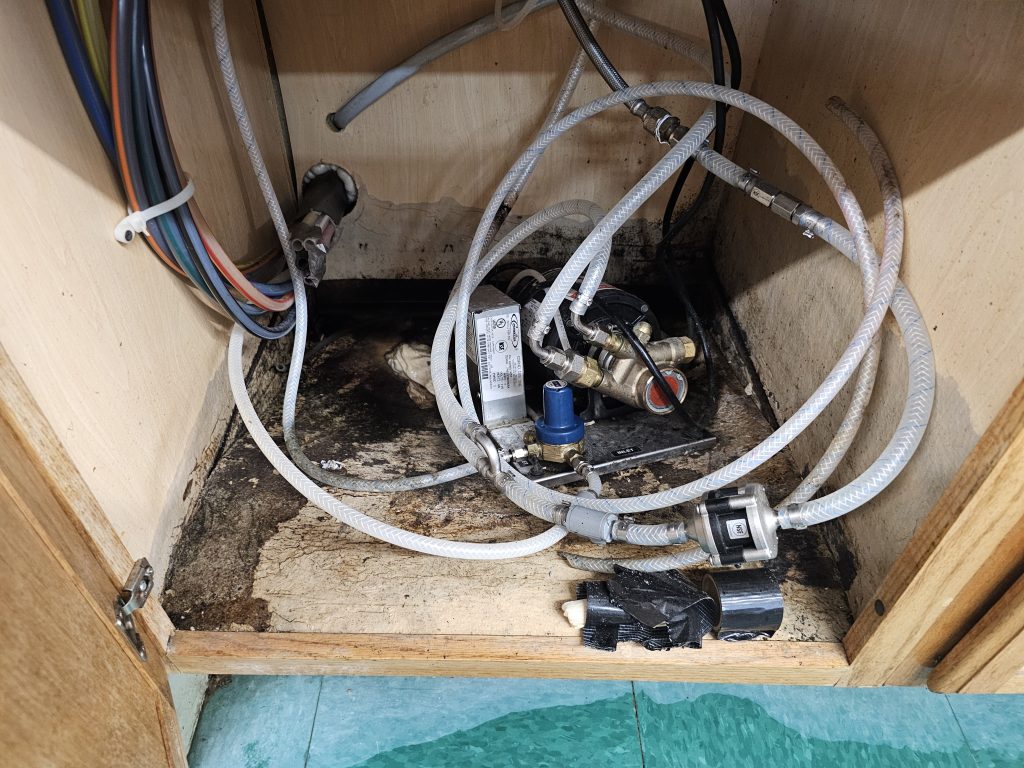
Pictures of Filth Fly Infestation Evidence