
Rodent Inspection
Our trained technicians will inspect your home or business to locate any pests present or potential pest entry points.

Rodent Monitoring/Baiting
We will then deploy monitoring and baiting stations in locations noted during our initial inspection. Tracking the rodent activity. Paired with other control options.

Pest Proofing/Exclusion
Once we can identify pest entry points being used, we will recommend the proper intervention to pest proof the entry point.

Pest Prevention Assessment
Pest Control WV will monitor to ensure activity is stopped. We will then conduct a follow up pest assessment.
Rodent Solutions for Your Home & Business
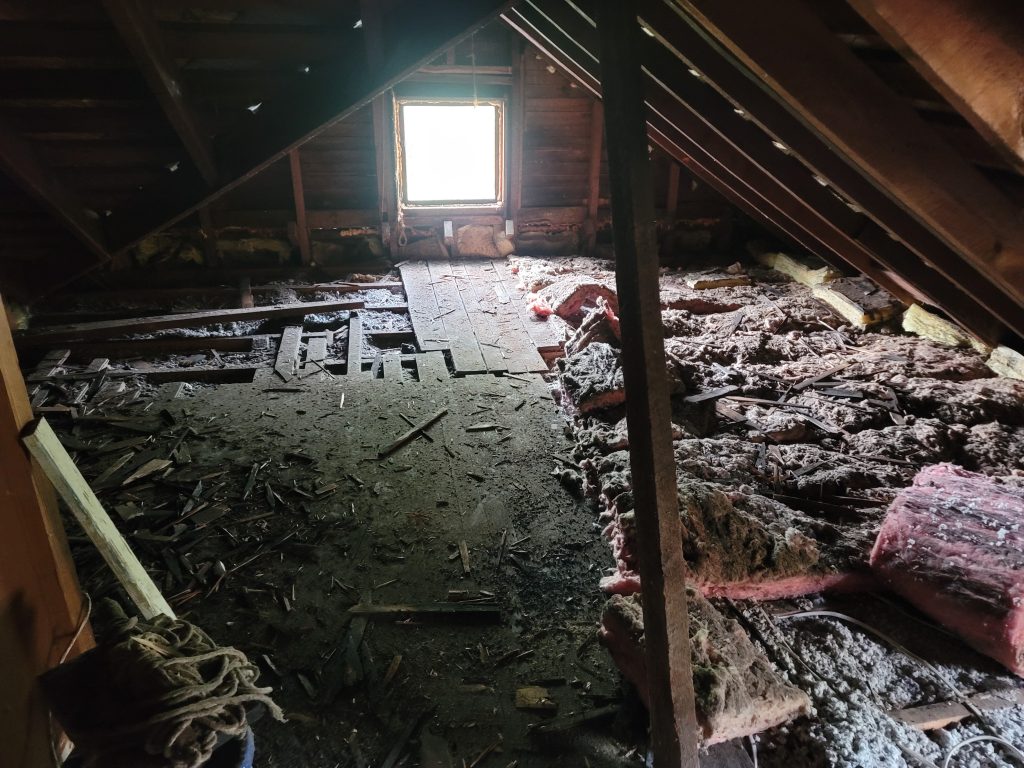
Rodents in the home or crawlspace are never a good sign. Since there are a few different species of rodents local to our area, we always like to schedule a Free Inspection in order to identify the species and provide the following steps for elimination.
Some examples of areas covered
- Pest Control in Residential Homes
- Pest Control In Air BnB and Rental Homes
- Pest Control in Apartments and Multi-Unit Housing
- Pest Control In Care Homes and Medical Facilities
- Pest Control in Club Houses and Halls
- Pest Control in Convenience Stores and Quick Service
- Pest Control in Courthouses and Government Buildings
- Pest Control In Factories and Warehouses
- Pest Control in Firehouses and Police Stations
- Pest Control in Food Production and Service
- Pest Control in Funeral Homes and Places of Worship
- Pest Control in Offices and Public Buildings
- Pest Control in Shopping Plazas and Storefronts
- and more...
Some examples of other Rodents covered
- House Mice (Mus musculus): Small, gray/brown rodents found in homes and buildings, often in attics or walls.
- Deer Mice (Peromyscus maniculatus): Commonly found in rural areas, nesting in woodpiles or outbuildings; known carriers of hantavirus.
- Norway Rats (Rattus norvegicus): Large, brown rats that burrow under buildings and in garbage.
- Roof Rats (Rattus rattus): Agile, smaller, dark rats often found in upper levels of structures.
RAT CONTROL IN WEST VIRGINIA
Norway rats (Rattus norvegicus), also called brown rats, are increasingly common in West Virginia — particularly around agricultural areas, commercial properties, and older residential neighborhoods. Rats are far more destructive than mice: they gnaw through concrete, lead pipes, and electrical wiring, burrow under foundations, contaminate food storage, and transmit diseases including leptospirosis, rat-bite fever, and salmonellosis.
ABOUT NORWAY RATS IN WV
Norway rats are heavy-bodied rodents, typically 7–9 inches in body length with a shorter tail than the roof rat. They are burrowing animals — colonies excavate tunnels under concrete slabs, along foundation walls, in crawlspaces, and beneath outbuildings. They prefer to stay at ground level and are rarely found in attics (that's more characteristic of the roof rat, which is less common in WV).
SIGNS OF RAT ACTIVITY
- Burrow holes (approximately 2–3 inches in diameter) along foundation walls, under concrete, or in embankments
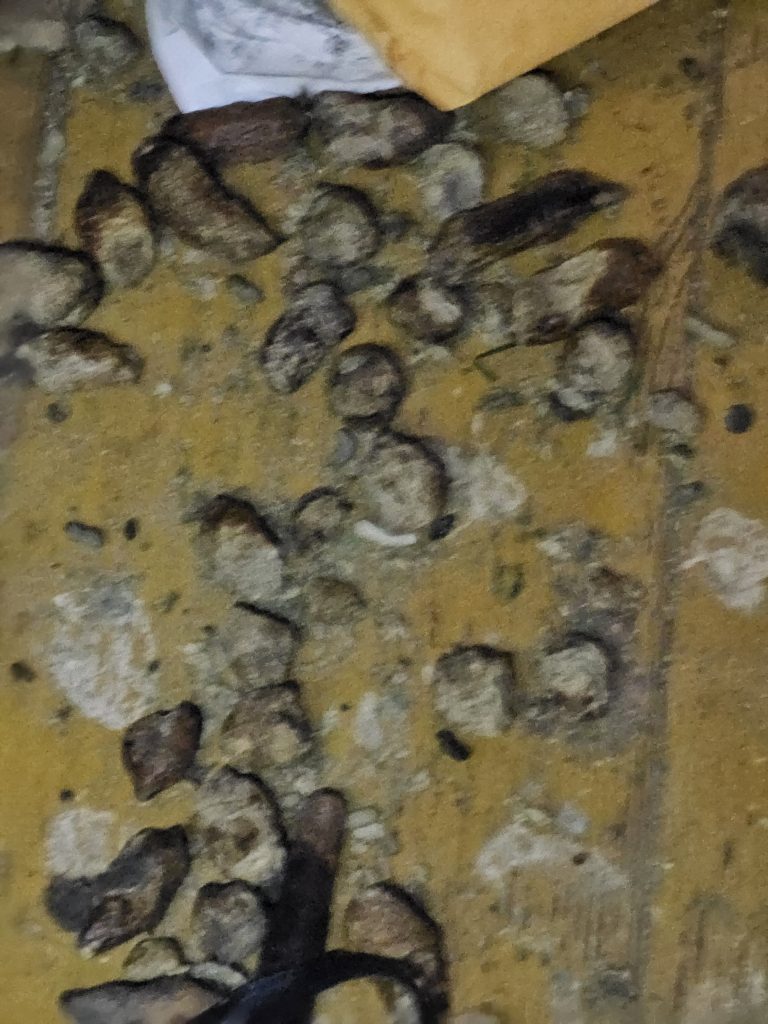
- Large, capsule-shaped droppings (3/4 inch) near burrow entrances or along runways
- Smear marks — dark grease trails on walls and pipes from oily fur
- Gnaw damage on wood, pipes, rigid foam insulation, and food containers
- Rat runs — worn pathways through vegetation or in crawlspace dirt
- Sounds of heavy movement and gnawing in wall voids or crawlspaces at night
HOW RATS ENTER YOUR HOME
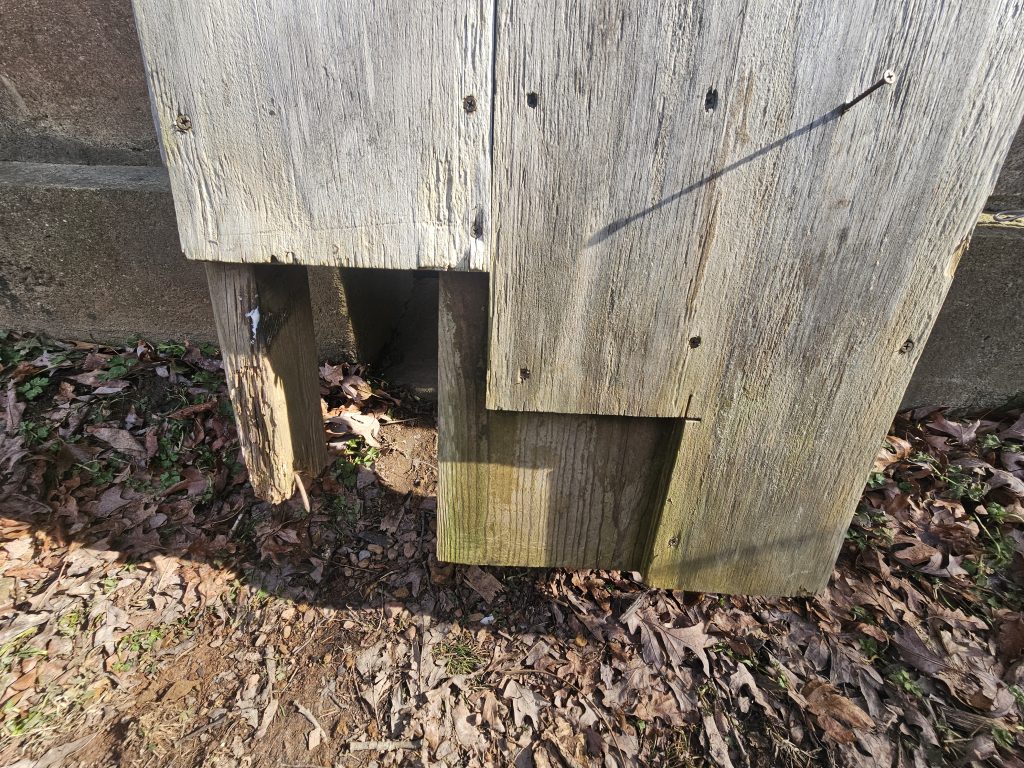
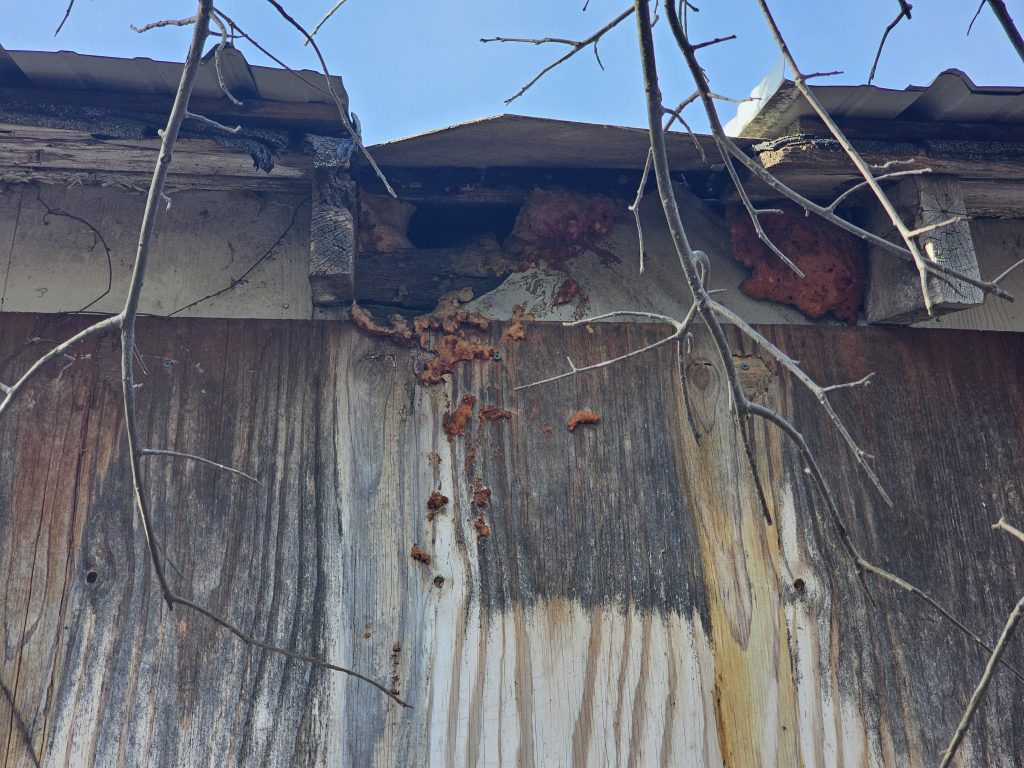
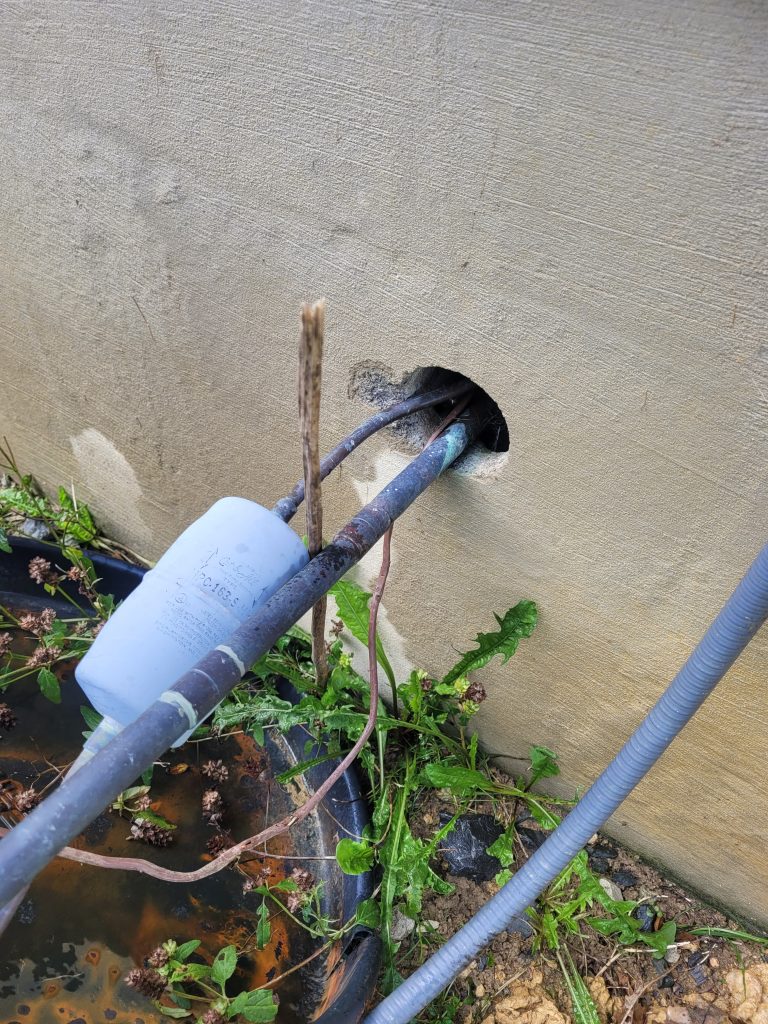
Rats can enter through gaps as small as 1/2 inch. Key entry points:
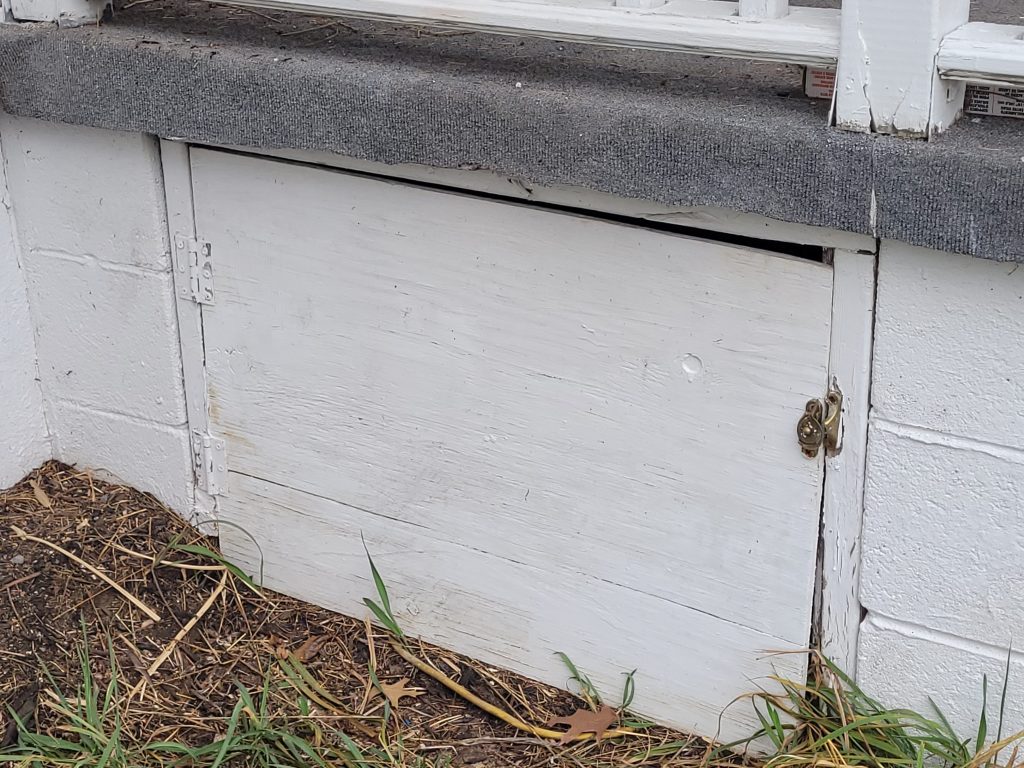
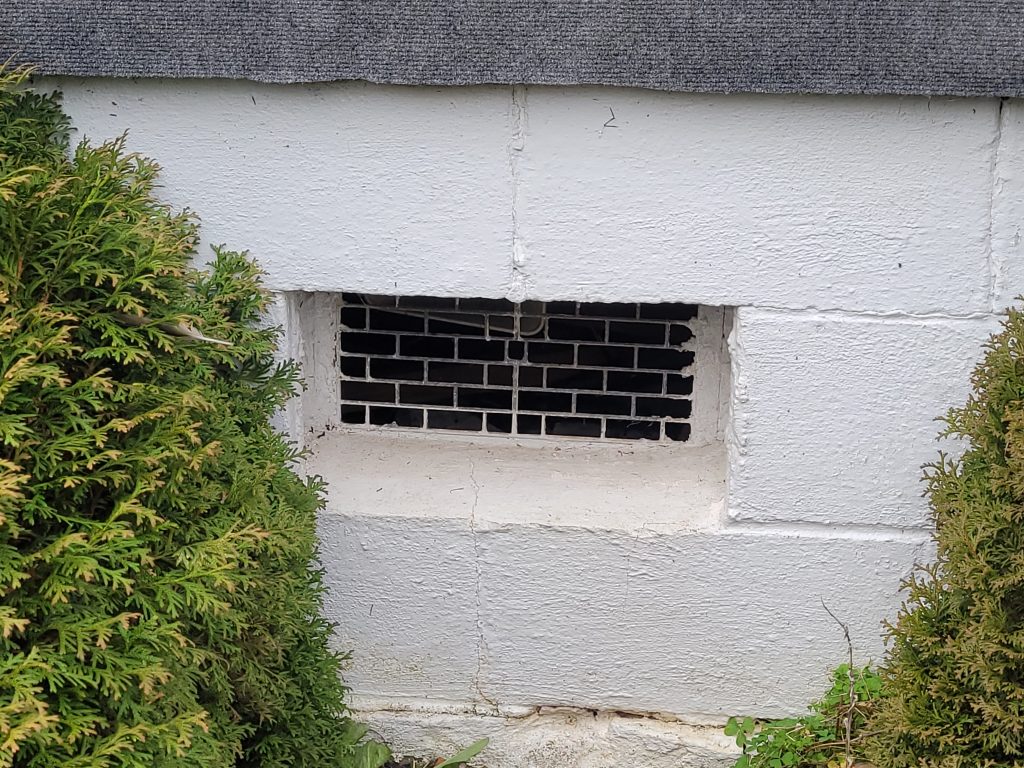
- Damaged or missing crawlspace foundation vents
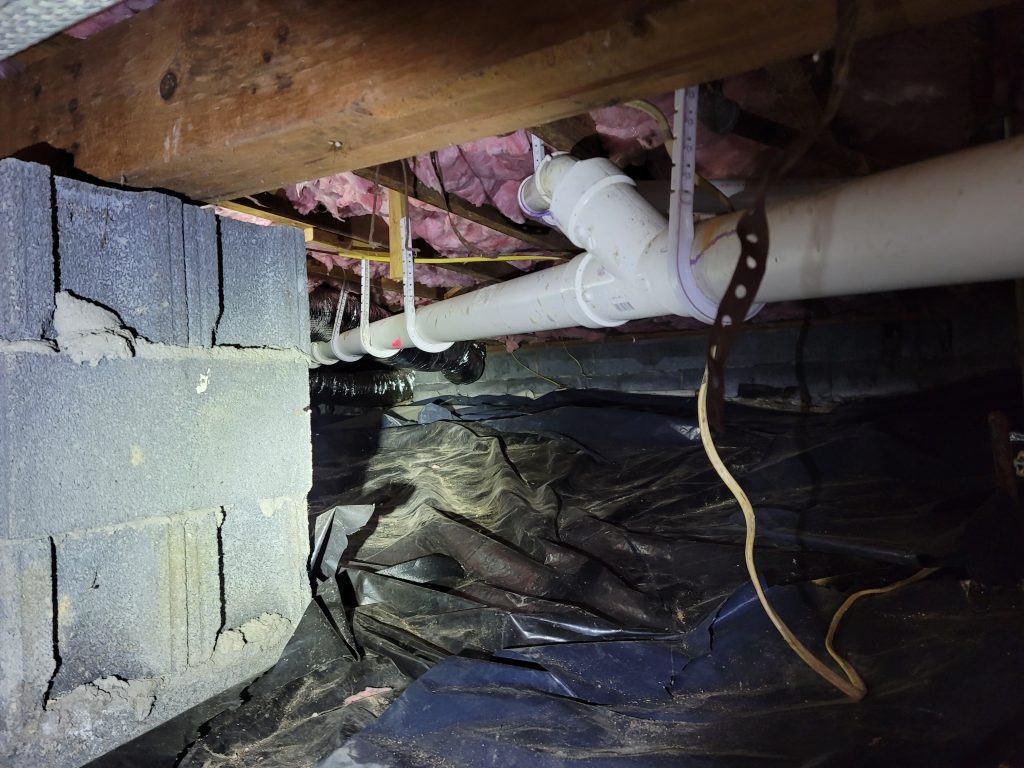
- Gaps in the sill plate and around utility penetrations
- Through floor drains in basements and crawlspaces
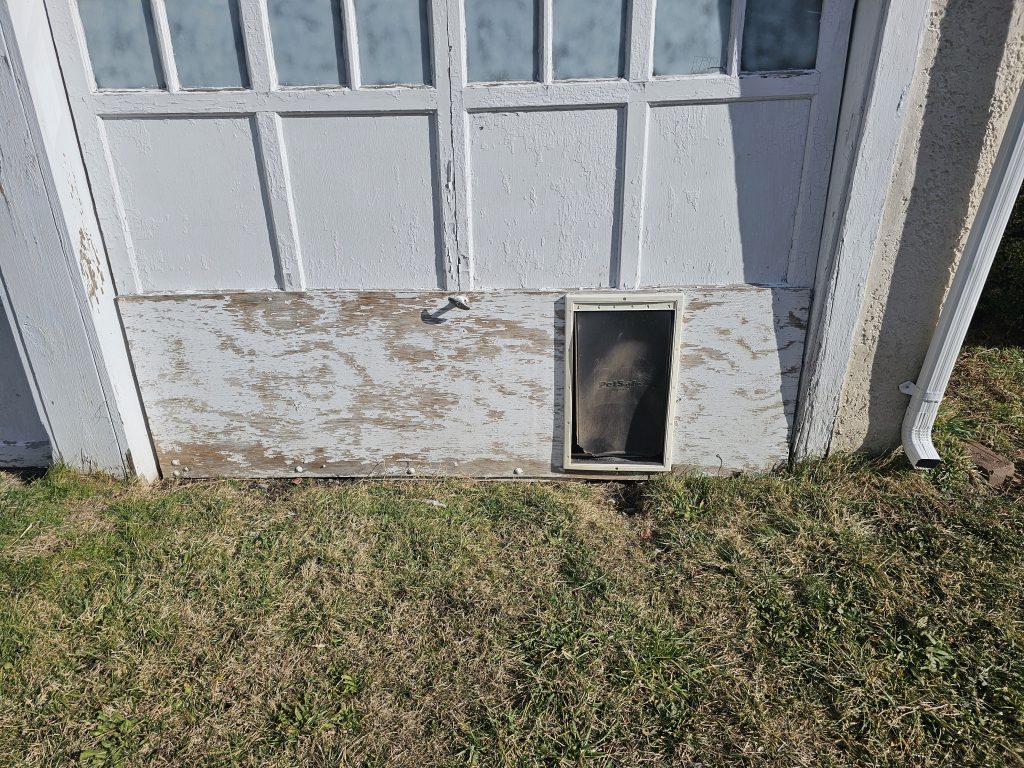
- Beneath poorly sealed garage doors
- Gnawed openings in wood framing near the foundation
HOMEOWNER PREVENTION TIPS
1. Eliminate outdoor food sources: secure compost bins, clean up fallen fruit, remove birdfeeders during active infestations, and store livestock feed in sealed metal containers.
2. Seal all gaps 1/2 inch or larger at the foundation and crawlspace using hardware cloth (1/4 inch mesh), concrete, or galvanized sheet metal — rats will gnaw through wood, plastic, and caulk.
3. Remove harborage: brush piles, stacked lumber, old equipment, and dense low-growing vegetation provide shelter for rat colonies.
4. Repair and maintain crawlspace vents and screens.
5. Maintain a clean and organized commercial dumpster area if operating a business.
WHY RAT CONTROL REQUIRES A PROFESSIONAL APPROACH
Rats are neophobic — they are instinctively suspicious of new objects in their environment, including traps and bait stations. Effective control requires correct bait placement along established runways, appropriate bait selection, and patience. Misplaced bait stations or incorrect setup are the primary reasons DIY rat control fails. Pest Control WV identifies the colony location, active runways, and entry points before any treatment is placed.
HOW WE TREAT FOR RATS
Pest Control WV conducts a thorough exterior inspection to locate burrow systems, runways, and entry points. Treatment includes tamper-resistant exterior bait stations placed along active runways, interior trapping where needed, and a detailed exclusion recommendation report. Follow-up visits confirm elimination and ensure bait stations are maintained.
Did you Know?
Rodents are always chewing, this is because they must! Their teeth continue to grow, and in order to manage the length, they typically gnaw on materials like wood, wires, and even concrete.
Free Inspections! Get Rid of Rodents Today!
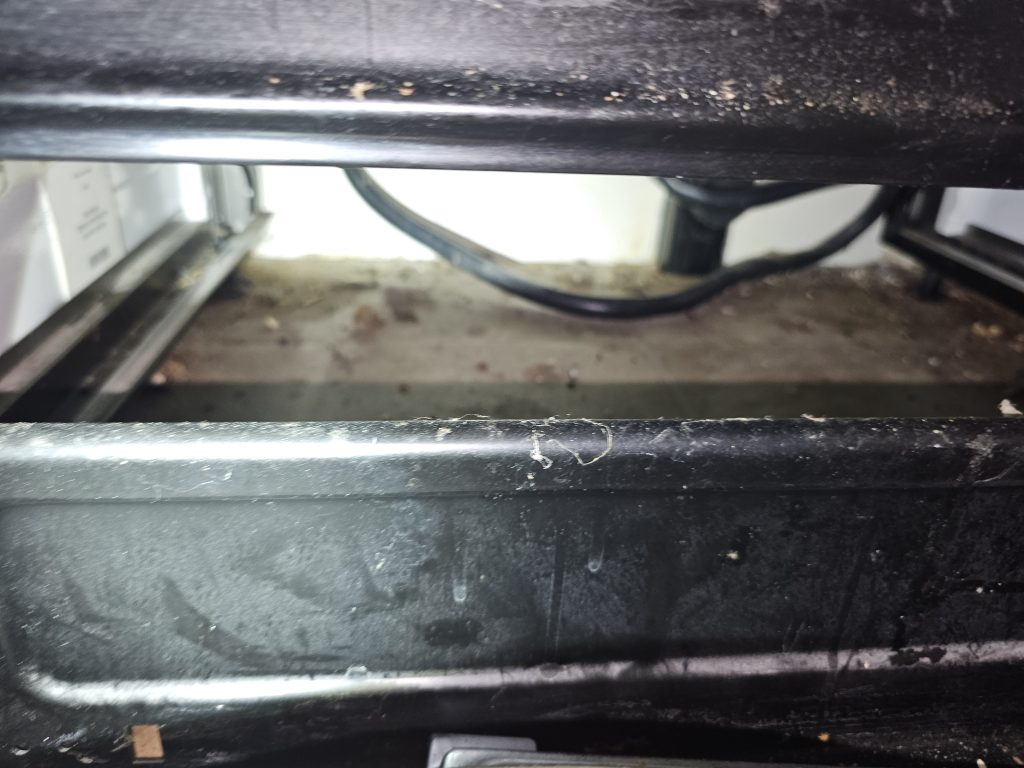
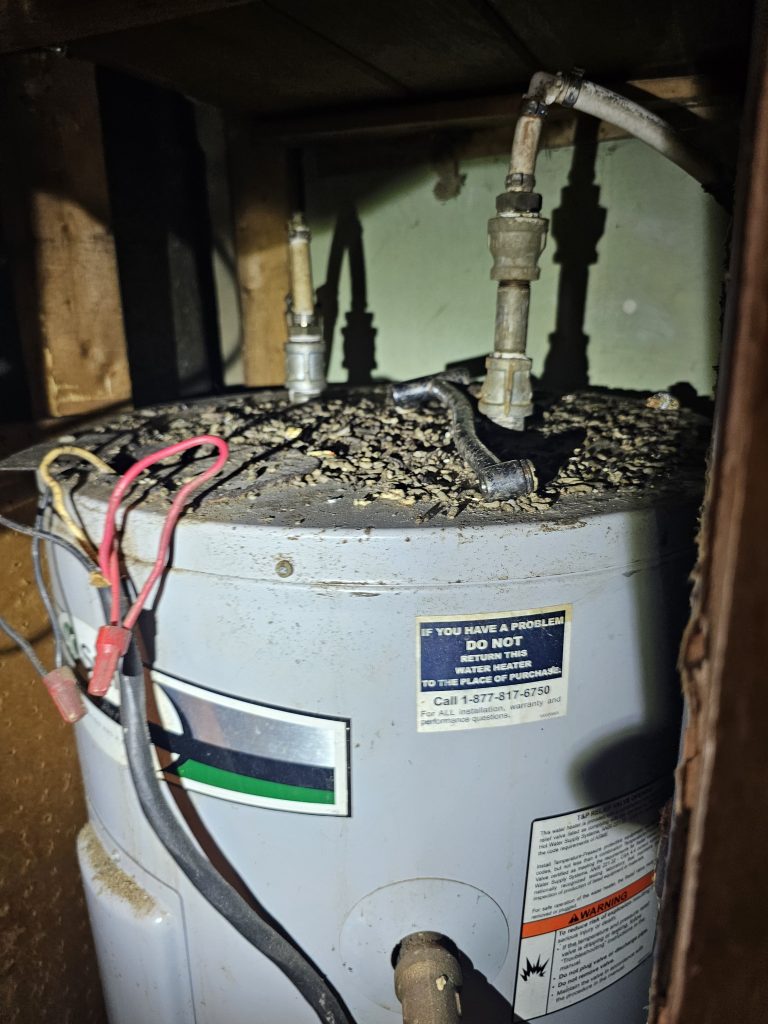
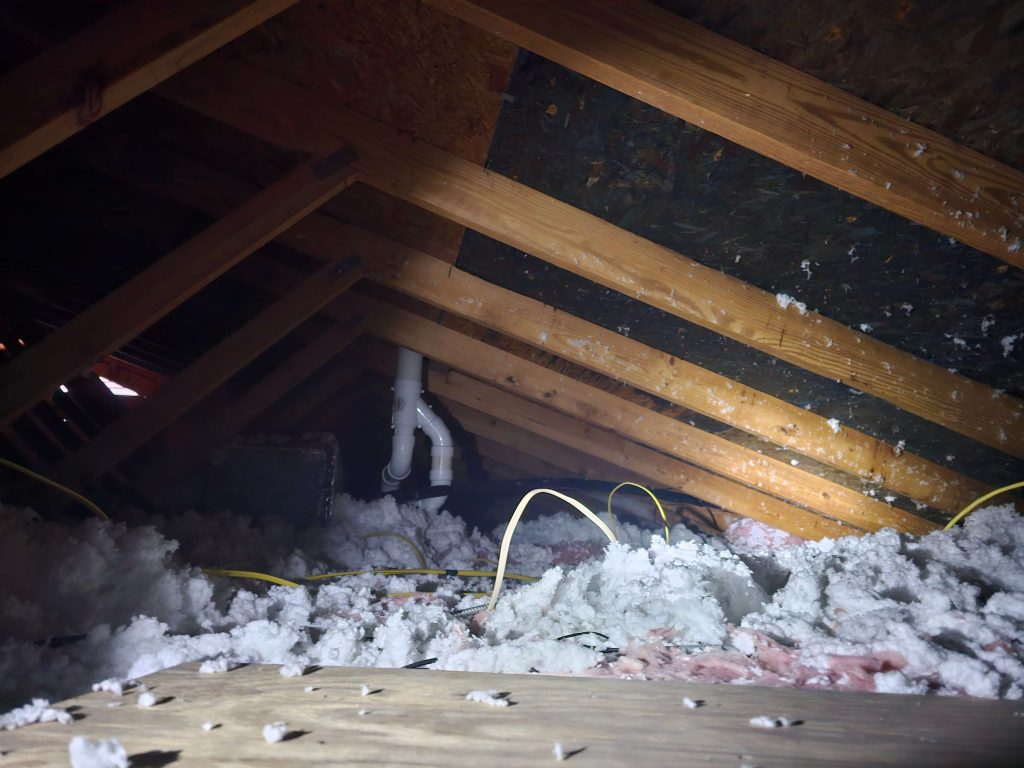
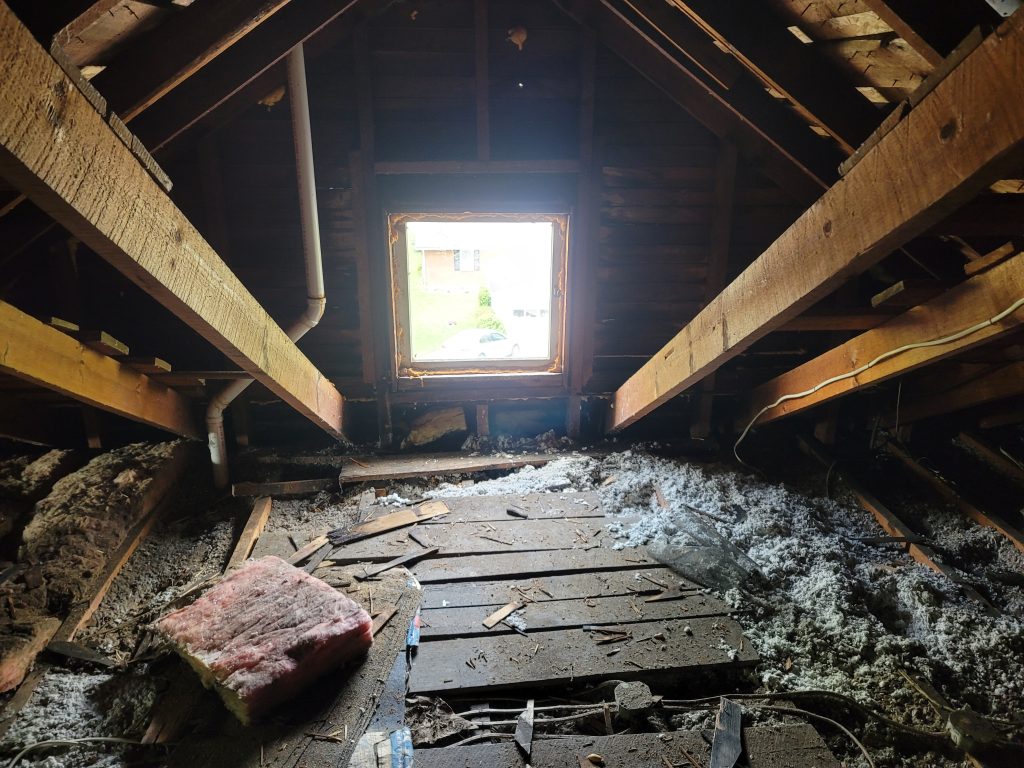
Pictures of Rodent Entry/Infestation