
Inspection
Our trained technicians will inspect your home or business to locate any ants or other pests that may be present and the conditions that may have led them to the property if any.

Treatment Options
We will then offer you treatment options based on our findings during the inspection. There are many species of ants in West Virginia and they can require different service approach and/or follow-up.

Ongoing Protection
We utilize premium pest products to ensure effective control and long lasting results. We provide a re-treatment guarantee with our services and offer a 365 Guarantee with any pest plan.

Pest Prevention Assessment
Pest Control WV will conduct a thorough inspection and treatment, detailing any customer intervention necessary for control. For a more comprehensive report you may also purchase a
or a
Ants can be a nuisance. Call Today.
We understand Ants can be a nuisance. Whether they are in the Kitchen, the bathroom, or the basement... they shouldn't be in your space! Whatever the pest may be, if they're invading your property, we will help to find them, and stop them in their tracks. Pest Control WV offers treatments for the toughest ants and other pests. Text Us, and protect your home from ants and more.
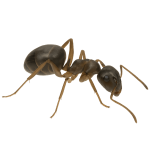
Odorous House Ants (Tapinoma sessile): Small, brownish-black ants that emit a coconut-like odor when crushed. They are highly attracted to sweets and nest in wall voids, under siding, or near moisture sources.
Some examples of Ants covered
Not including Wood Destroying Carpenter Ants
- Acrobat Ants (Crematogaster spp.): Small (1/8 to 3/8 inches), light brown to black, with a distinct heart-shaped abdomen. They are known for raising their abdomens over their heads when disturbed. They prefer nesting in decayed wood, tree cavities, or abandoned termite/carpenter ant galleries.
- Pavement Ants (Tetramorium caespitum): Small, brown-to-black ants that nest in soil, under concrete slabs, and in sidewalk cracks. They are common indoor invaders, especially in kitchens.
- Little Black Ants (Monomorium minimum): Tiny, shiny black ants that often forage in kitchens and bathrooms.
- Pharaoh Ants (Monomorium pharaonis): Very small, light-yellow to reddish ants that are difficult to control once inside, often nesting in hard-to-reach areas like wall voids or electrical outlets.
- Field Ants (Formica spp.): These can be found near home foundations and sometimes wander indoors
ANT CONTROL IN WEST VIRGINIA
West Virginia's forested landscape and humid climate make it ideal territory for multiple ant species. Whether you're dealing with a small nuisance trail in the kitchen or a full-blown infestation behind your walls, understanding what you're up against is the first step toward getting rid of them for good.
COMMON ANT SPECIES IN WV
Odorous House Ants are among the most frequent culprits in WV homes — small, dark brown ants that emit a coconut-like smell when crushed. Pavement Ants nest under slabs, driveways, and along foundation walls. Acrobat Ants favor moisture-damaged wood and are often found near leaking pipes or window frames. Fire Ants have been expanding their range into southern WV and deliver a painful sting.
HOW ANTS ENTER YOUR HOME
- Gaps around utility pipes and conduit where they enter the foundation
- Cracks in the foundation sill plate or mortar joints
- Under door thresholds and around window frames
- Through weep holes in brick veneer
- Along tree branches, shrubs, or firewood that contacts the structure
WHERE TO INSPECT
Focus inspections on the kitchen and bathrooms first — ants follow moisture and food. Check under sinks, behind appliances, along baseboards, and inside wall voids near plumbing. Outside, look along the foundation perimeter, under landscaping timbers, in mulch beds, and along fence lines.
HOMEOWNER PREVENTION TIPS
1. Keep food in sealed containers and clean up crumbs promptly — even pet food left out overnight can draw a colony.
2. Fix leaky faucets and pipes; moisture is the #1 ant attractant indoors.
3. Trim tree limbs and shrubs so they don't touch the roofline or siding.
4. Swap mulch directly against your foundation for stone or gravel, which is less hospitable to nesting.
5. Seal cracks in the foundation and gaps around utility penetrations with caulk or expanding foam.
6. Store firewood at least 20 feet from the house and elevated off the ground.
WHY STORE-BOUGHT TREATMENTS OFTEN FAIL
Over-the-counter sprays kill the ants you can see but almost never reach the colony. Killing foragers causes the colony to scatter and re-establish — sometimes creating multiple satellite colonies and making the problem worse. Effective ant control requires treating the colony directly, which usually means baiting programs or targeted residual treatments applied by a licensed technician who can identify the species and locate the nest.
HOW WE TREAT ANT INFESTATIONS
Pest Control WV uses an Integrated Pest Management (IPM) approach to ant control. We start with a full inspection to identify the species and locate entry points, then apply the appropriate combination of exterior perimeter treatments, crack-and-crevice applications, and targeted baiting. Our 365 Guarantee means if ants return between scheduled services, so do we — at no extra charge.
Some examples of areas covered
- Pest Control in Residential Homes
- Pest Control In Air BnB and Rental Homes
- Pest Control in Apartments and Multi-Unit Housing
- Pest Control In Care Homes and Medical Facilities
- Pest Control in Club Houses and Halls
- Pest Control in Convenience Stores and Quick Service
- Pest Control in Courthouses and Government Buildings
- Pest Control In Factories and Warehouses
- Pest Control in Firehouses and Police Stations
- Pest Control in Food Production and Service
- Pest Control in Funeral Homes and Places of Worship
- Pest Control in Offices and Public Buildings
- Pest Control In Schools and Daycare Facilities
- Pest Control in Shopping Plazas and Storefronts
- and more...
Did you Know?
Ants are incredibly strong creatures that can carry 10–50 times their body weight, and they are actually farmers that cultivate fungi and raise aphids for food
Free Inspections! Get Rid of Ants Today!
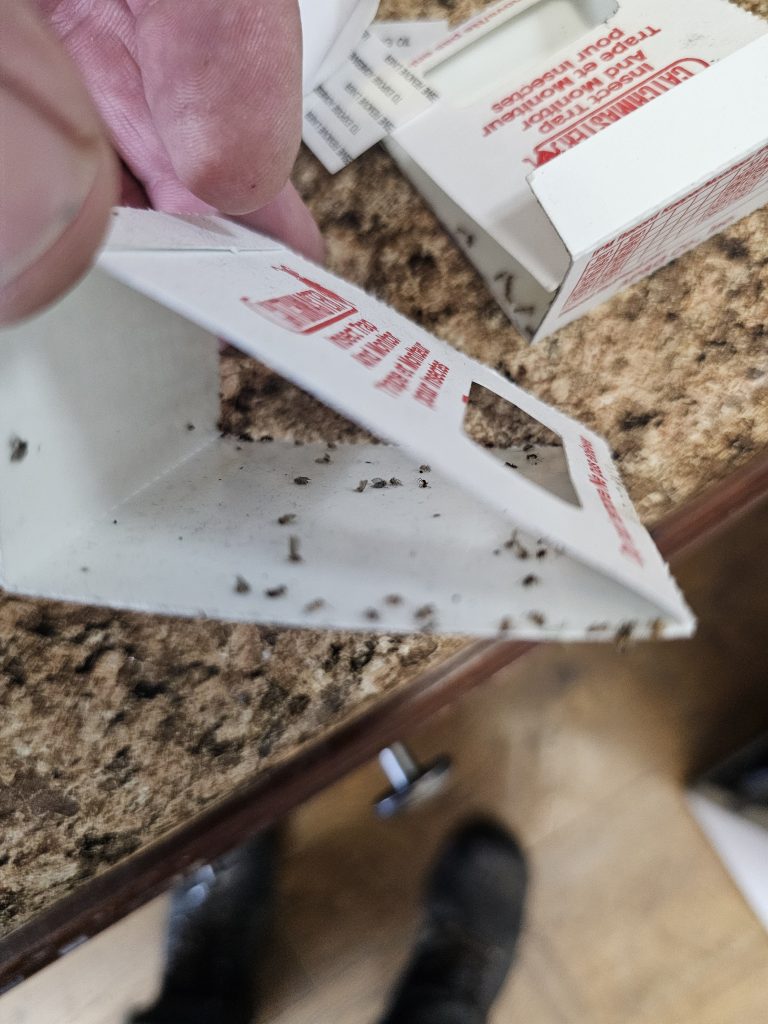
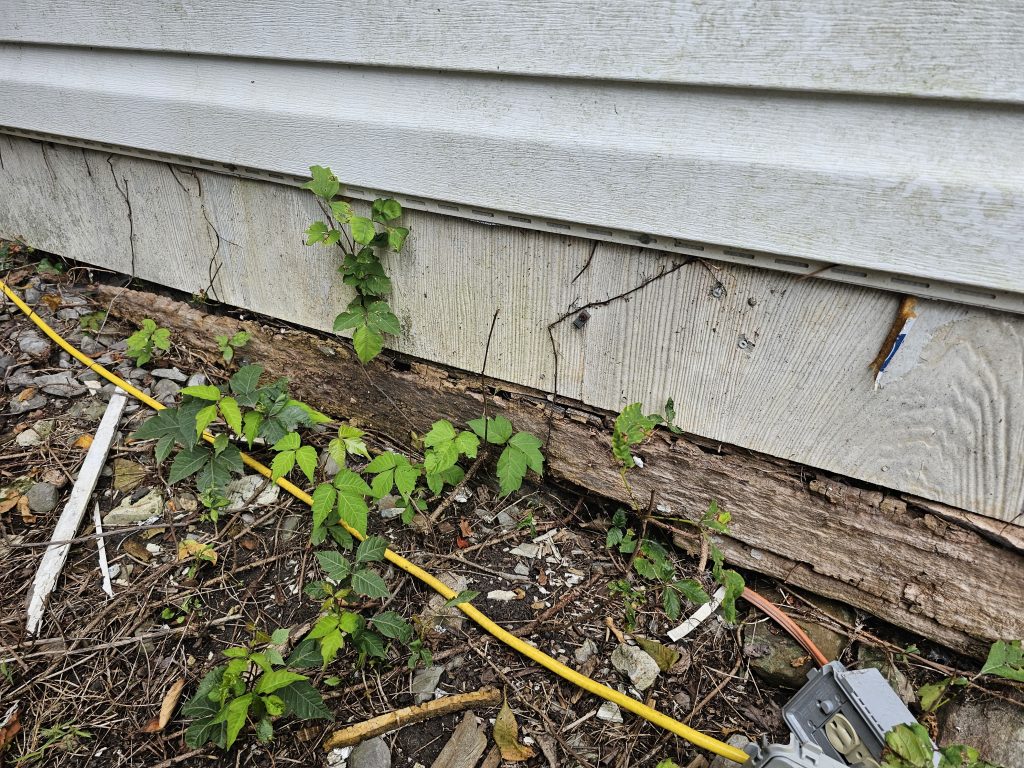
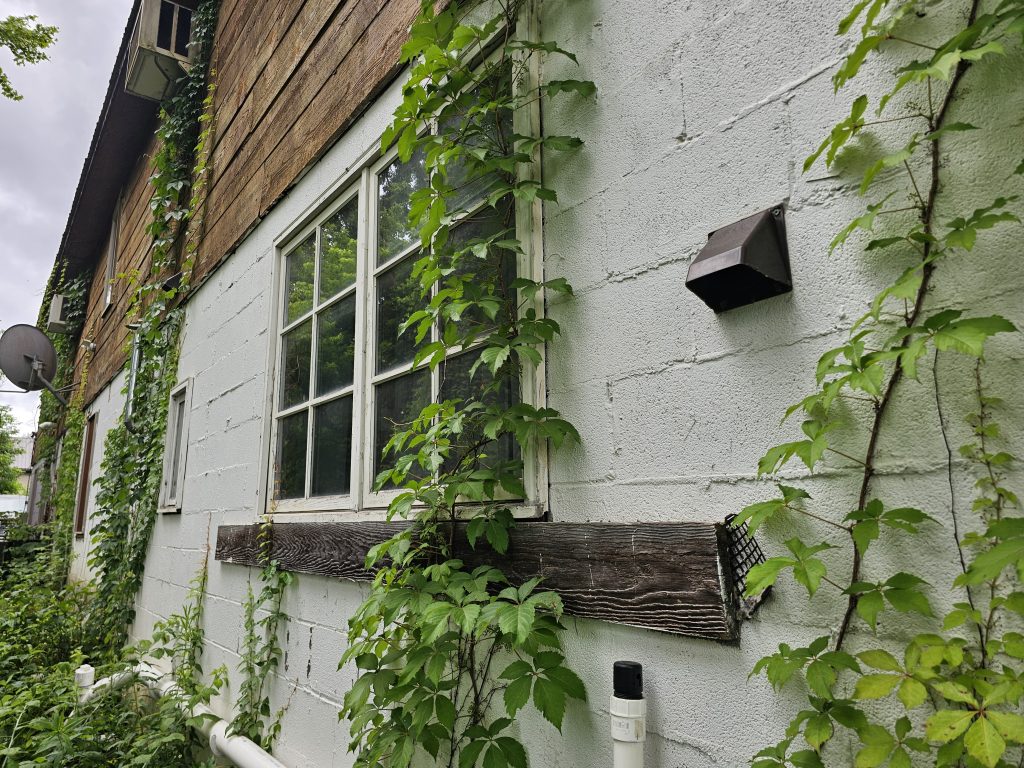
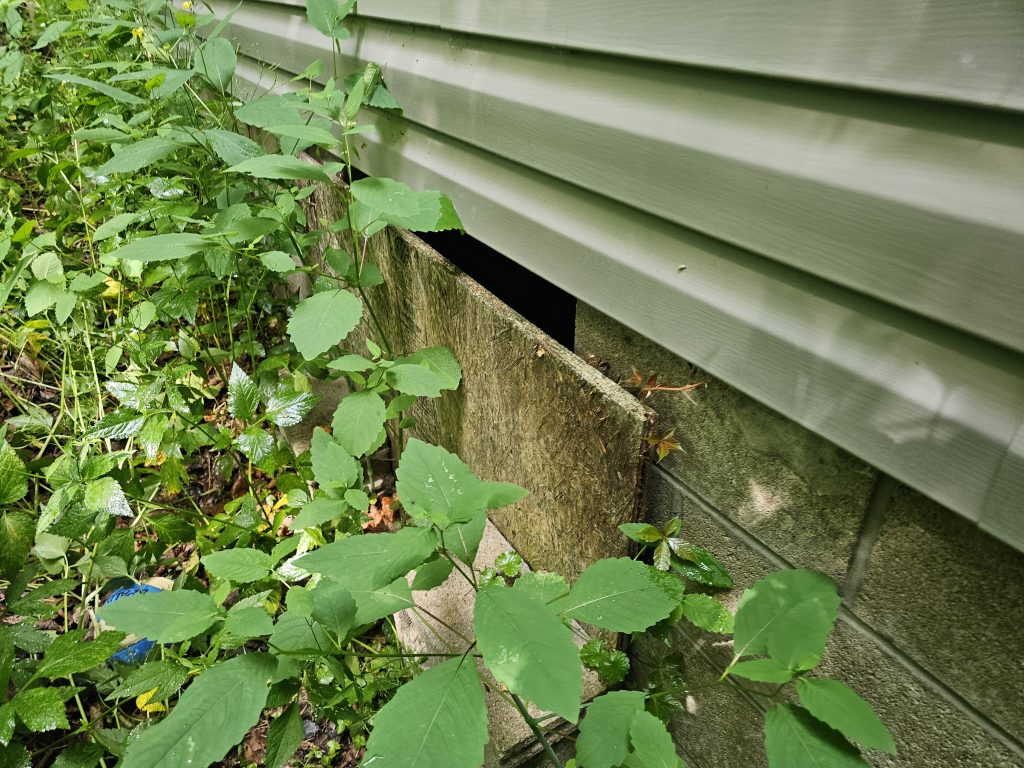
Pictures of Ants and Pest Conducive Conditions