
Initial Inspection
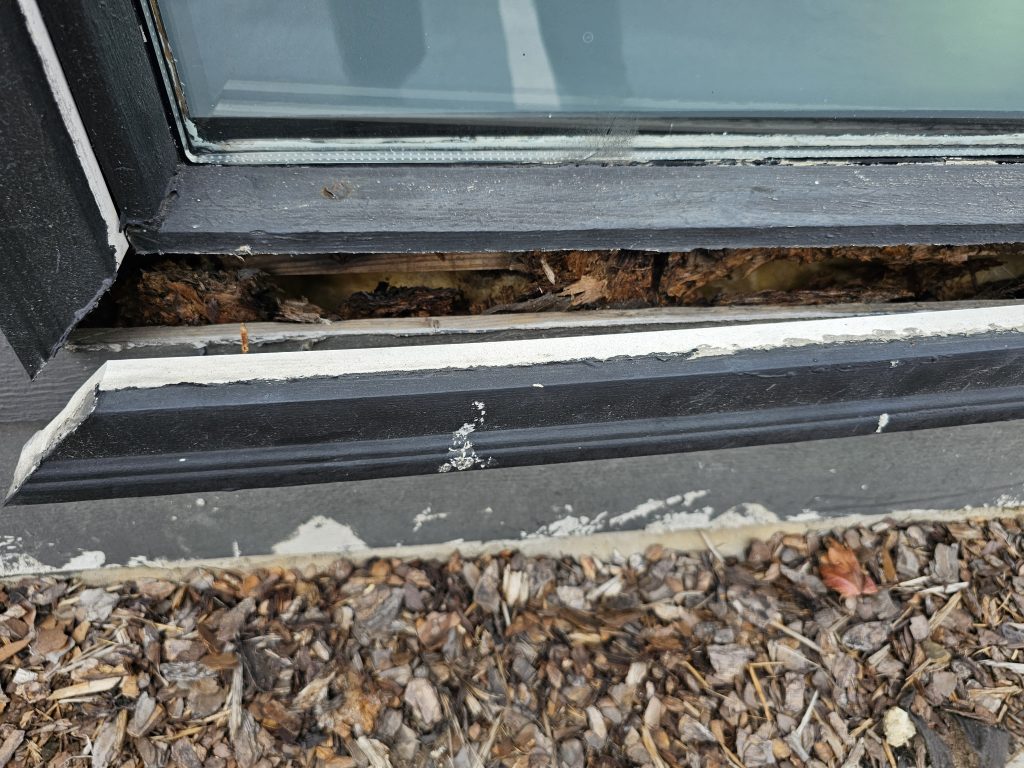
Our trained technicians will inspect your home or business to locate any conducive pest conditions and identify the species, entry and/or harborage areas if any.
Pest Control WV will determine the treatment method based on findings during the inspection. Treatment and Cost depends on species and infestation. If it is Cluster Flies, these are typically Over-Wintering Pests that will emerge on warm days, or early spring and

Fly Control Treatment/Program
Pest Control WV will determine the best treatment method based on the results of the inspection.
For one-time fly issues, our technicians will help remediate the issue and provide ongoing prevention tips or suggest and ongoing fly control program for some properties with food service, and/or zero tolerance for flying pests.

Follow Up & Prevention
Pest Control WV typically offers a few options, including one-time treatments and ongoing fly control programs. We will let you know our thoughts on how the infestation started based on the inspection and information given. We will then give you tips to prevent future outbreaks.
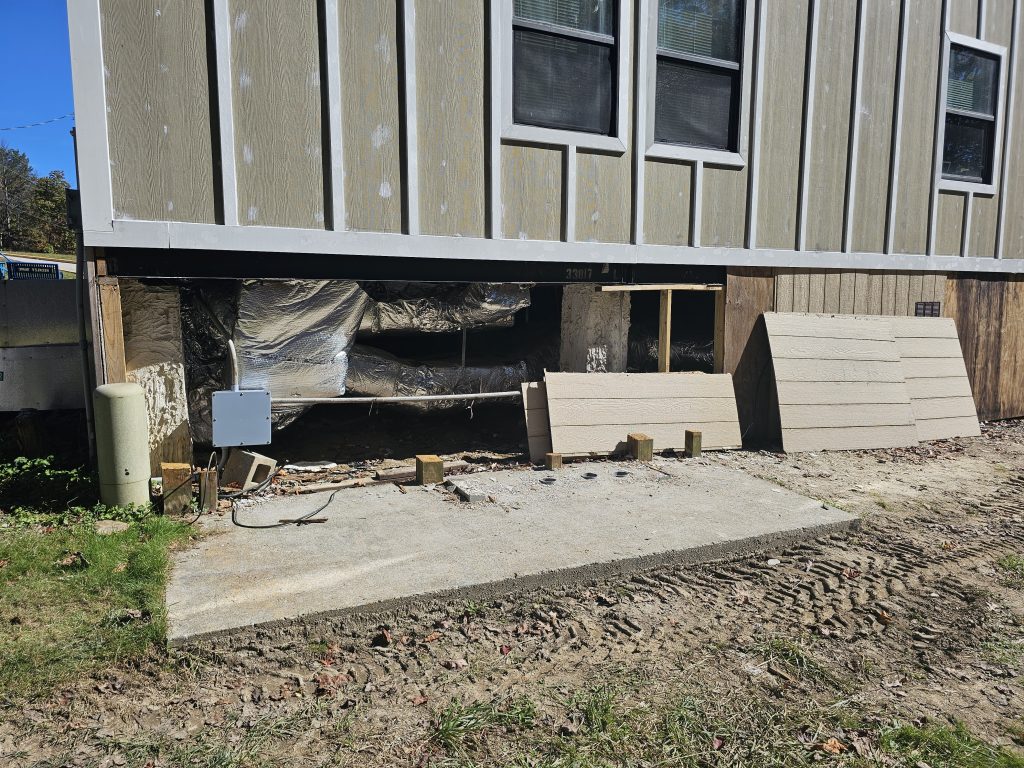
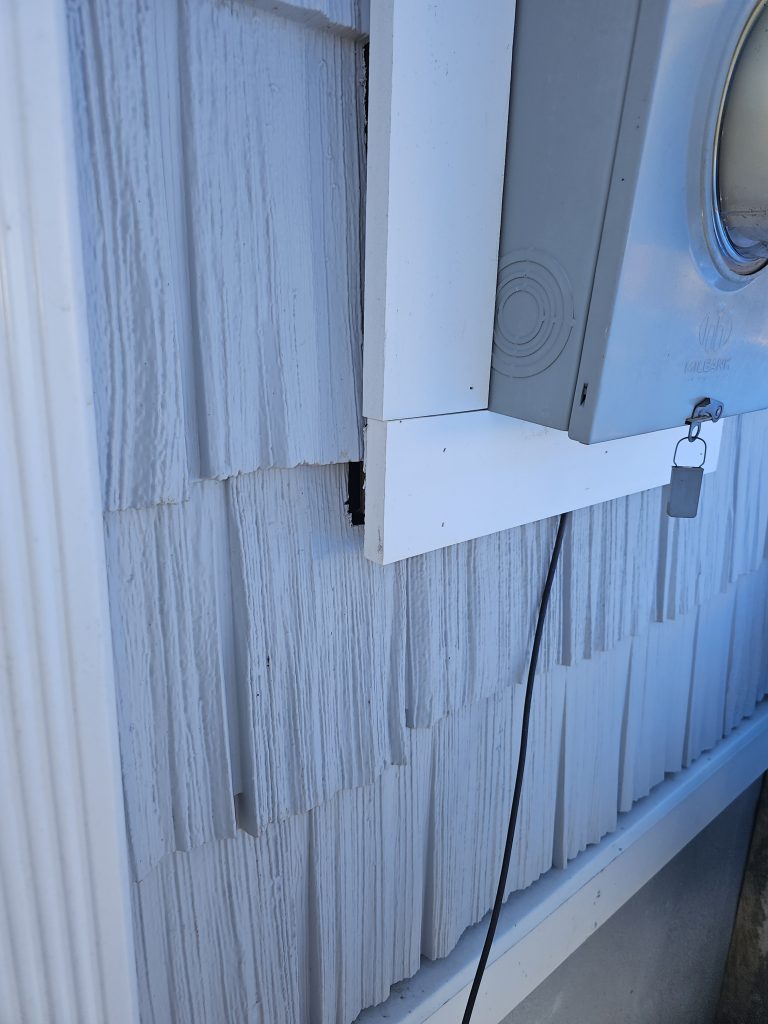
Sometimes this will lead to sealing windows/doors and flashing around roofing and eaves or any other vent gaps that allow entry into the attic or wall void spaces.

Stress Free Guarantee
Pest Control WV guarantees their work. We continually evaluate our technicians, tools, products and methods to ensure we are competing with the industry's best available on the market. In addition, we offer a Free Pest Assessment, conducted during treatment, which can help to prevent future pest outbreaks with ongoing prevention.
Cluster Fly Solutions for Your Home & Business
Cluster Flies are a common issue on warmer winter days and during spring and summer due to their emergence from over-wintering harborage areas within buildings. However, which since there are a few different species of flies, we always like to schedule a Free Inspection in order to identify the species and provide a recommendation for treatment and ongoing prevention.
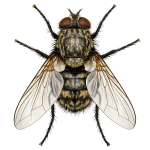
Cluster Flies (Pollenia spp.): lay their eggs in soil crevices near earthworm burrows, and their larvae are parasites that feed on earthworms. A wet winter/spring increases earthworm activity, providing more hosts, which leads to higher populations and increased fly activity. They are not breeding inside homes, but rather emerging from hibernation.
Life Cycle: Adult females lay eggs in soil; larvae hatch and burrow into earthworms to feed, pupating in the soil before emerging as adults.
Weather Impact: Warm, wet spring or summer weather increases earthworm populations, which in turn boosts the number of cluster flies.
Why They Are Active: After a wet winter, the increased population of earthworms means more food for the larvae. In spring, these flies leave their overwintering spots (like your attic) to return to the soil to breed, often appearing in large numbers as they try to escape to the outdoors.
Habits: They do not breed inside homes; they only enter in autumn to find shelter from the cold.
CLUSTER FLY CONTROL IN WEST VIRGINIA
Cluster flies are one of the most common overwintering pest complaints in West Virginia, particularly in rural and semi-rural properties. Unlike house flies, they do not breed indoors or pose a direct food contamination risk — but they emerge in large, disorienting numbers in autumn and late winter, and the sheer volume of flies can be overwhelming in older homes with gaps in the exterior envelope.
ABOUT CLUSTER FLIES
Cluster flies (Pollenia rudis) are slightly larger and darker than house flies, with golden-yellow hairs on the thorax and a distinctive non-metallic, dark gray abdomen. They fly slowly and sluggishly compared to house flies. Their life cycle is tied to earthworms — larvae are parasites of earthworms in the soil. Adults emerge in late summer and seek warm structures to overwinter, squeezing into wall voids, attics, and crawlspaces through tiny gaps in the exterior.
WHEN CLUSTER FLIES APPEAR
There are two peak activity periods in WV:
1. Autumn (September–October): Flies move inside seeking overwintering sites. Large numbers may gather on south- and west-facing walls on warm sunny days.
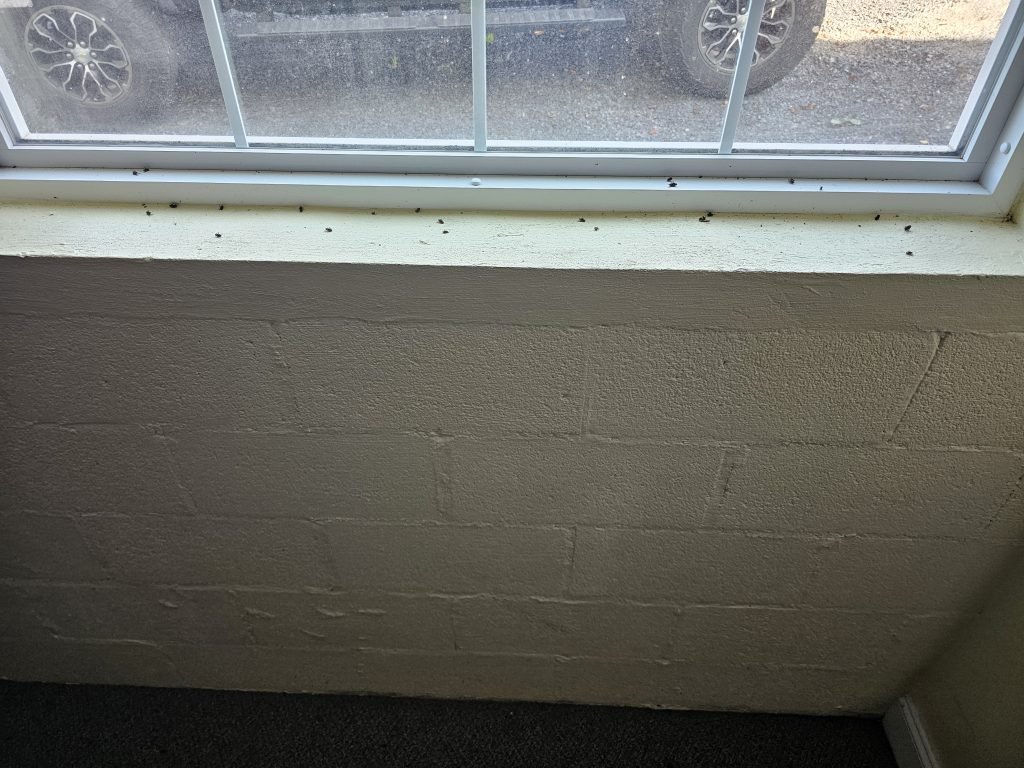
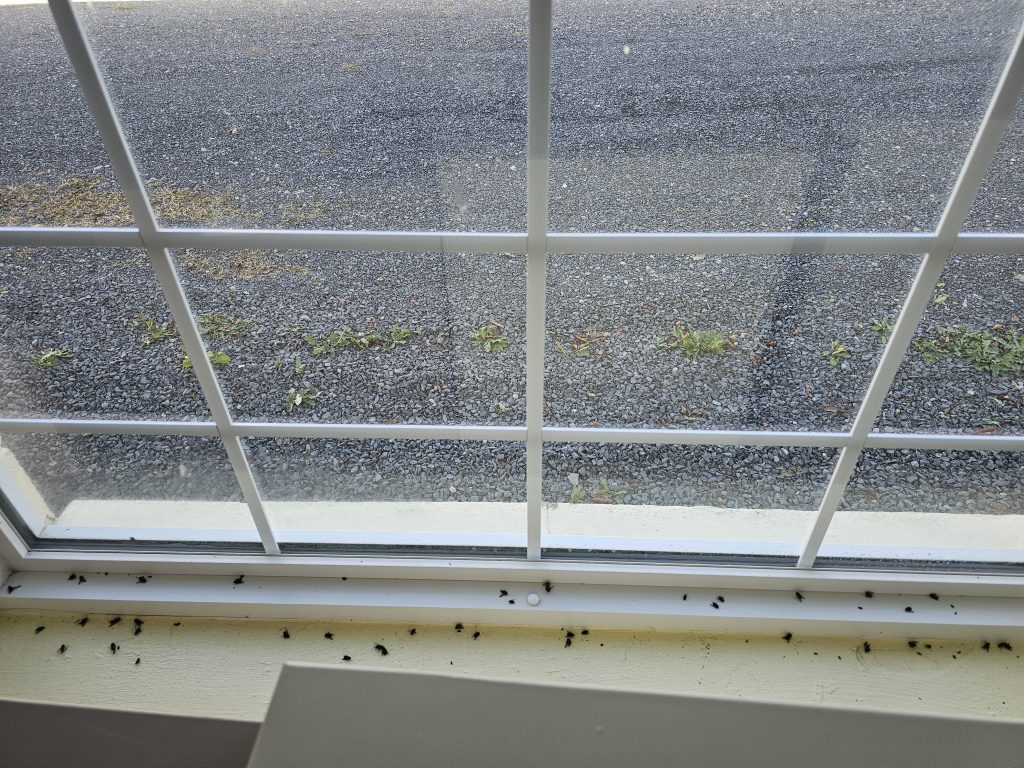
2. Late winter / early spring (February–March): As temperatures rise, flies become active again and attempt to exit through windows, light fixtures, and gaps in interior walls.
HOW THEY ENTER YOUR HOME
Cluster flies are capable of squeezing through extremely small gaps. Common entry points in WV homes:
- Gaps around window and door frames
- Under fascia boards and behind siding
- Through attic vents, gable vents, and ridge vents
- Around utility penetrations in the exterior wall
- Through gaps in older mortar on stone and brick homes
HOMEOWNER PREVENTION TIPS
1. Inspect and seal the exterior envelope in late summer (August) before flies begin seeking overwintering sites — this is the most effective long-term strategy.
2. Caulk gaps around all window frames, door frames, utility penetrations, and siding overlaps.
3. Install or repair screens on all attic and gable vents.
4. Apply exterior residual insecticide treatments in late August–September to the south- and west-facing sides of the structure before flies enter.
5. Use a vacuum with a HEPA filter to collect flies that emerge indoors in winter or spring — do not crush them, as they leave staining.
HOW WE TREAT FOR CLUSTER FLIES
Pest Control WV offers both preventive autumn treatments and reactive spring treatments for cluster fly infestations. Autumn perimeter treatments create a residual barrier on exterior surfaces that flies contact when seeking entry. For homes with established infestations inside wall voids and attics, void treatments can be applied through gaps in the exterior. Our Over-Wintering Pest Services cover cluster flies along with stink bugs, boxelder bugs, and similar seasonal invaders under a single seasonal plan.
Some examples of Other types of flies Covered
- House Fly (Musca domestica): Gray, medium-sized, commonly found around food and waste.
- Fruit Fly (Drosophila spp.): Small, often with red eyes, found near rotting produce.
- Blow Flies (Bottle Flies): Larger flies with metallic blue, green, or black bodies; attracted to meat and garbage.
- Drain Flies/Filter Flies: Small, fuzzy, moth-like flies that breed in organic slime in drains and pipes.
- Cluster Flies: Large, grayish flies that often invade homes in large numbers in autumn to overwinter.
- Phorid Flies (Humpbacked Flies): Small flies that run erratically, often found near decaying organic matter or in drains.
- Deer Flies & Horse Flies: Large, biting flies that live near water and wooded areas.
- Stable Flies (Stomoxys calcitrans): Similar to house flies but bite, common around barns and pet areas.
- Darkwing Fungus Gnats: Small, dark flies often found around houseplants and moisture.
Some examples of areas covered
- Pest Control in Residential Homes
- Pest Control In Air BnB and Rental Homes
- Pest Control in Apartments and Multi-Unit Housing
- Pest Control In Care Homes and Medical Facilities
- Pest Control in Club Houses and Halls
- Pest Control in Convenience Stores and Quick Service
- Pest Control in Courthouses and Government Buildings
- Pest Control In Factories and Warehouses
- Pest Control in Firehouses and Police Stations
- Pest Control in Food Production and Service
- Pest Control in Funeral Homes and Places of Worship
- Pest Control in Offices and Public Buildings
- Pest Control In Schools and Daycare Facilities
- Pest Control in Shopping Plazas and Storefronts
- and more...
Did You Know?
Cluster flies are large, slow-moving, dark gray flies with golden hairs, notorious for invading homes in autumn to hibernate in wall voids and attics, often appearing near sunny windows during warm winter days. Unlike houseflies, they do not breed indoors or in filth; instead, larvae are parasites of earthworms.
Free Inspections! Get Rid of Cluster Flies Today!
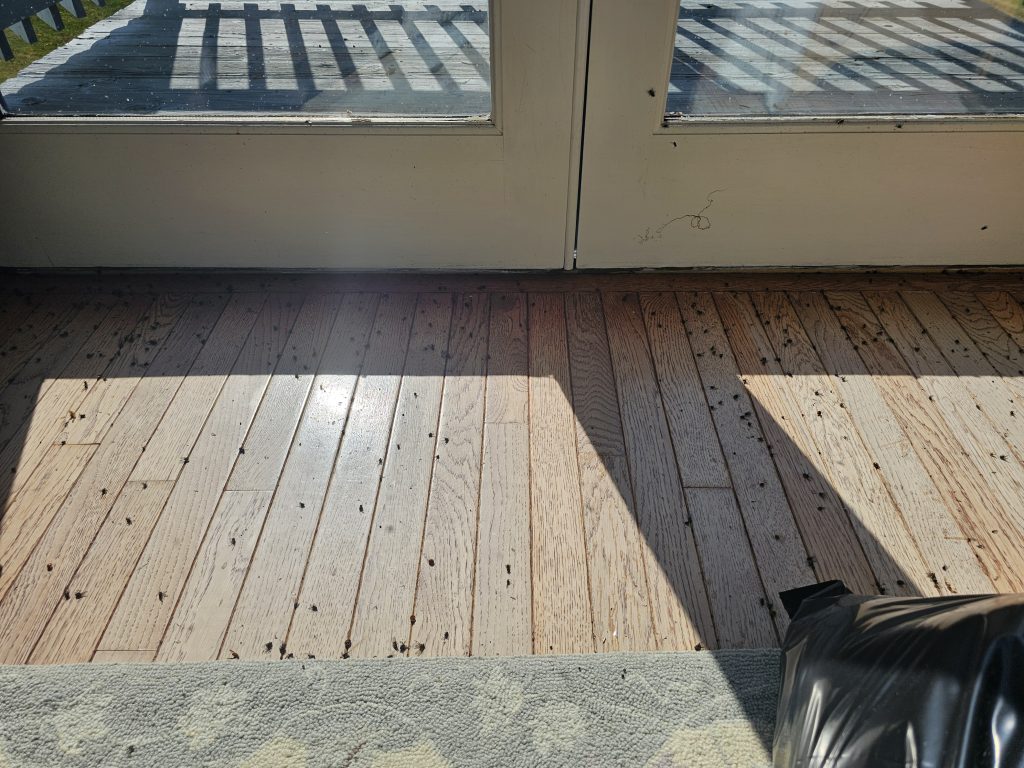
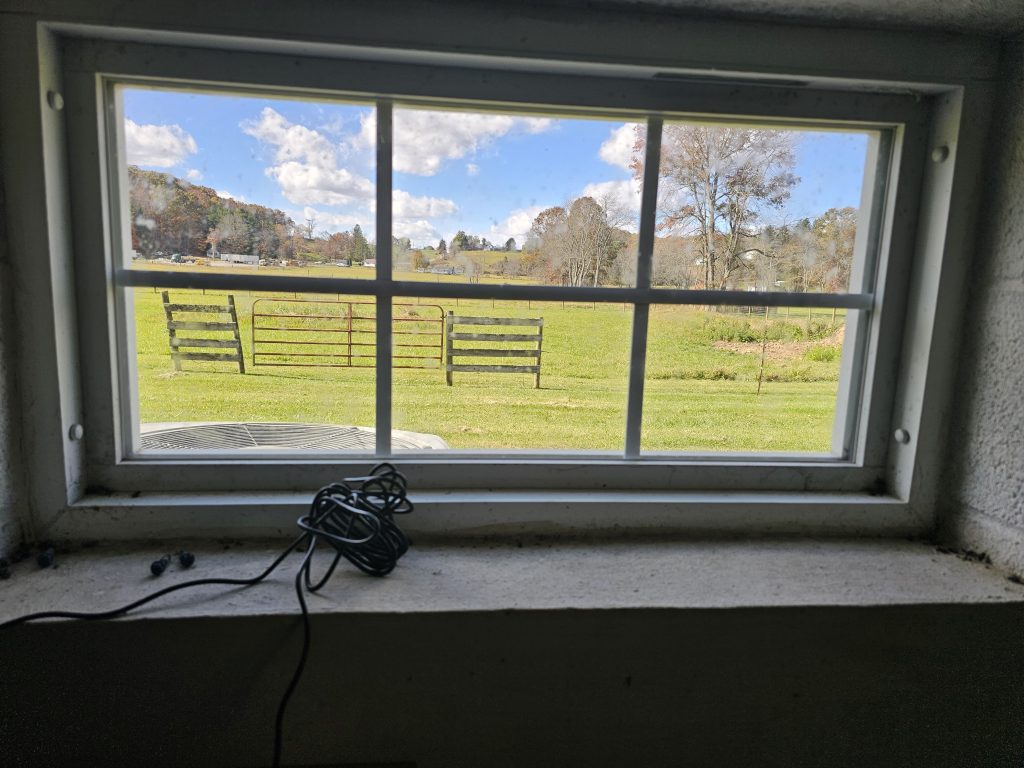
Pictures of Cluster Fly Infestation Evidence