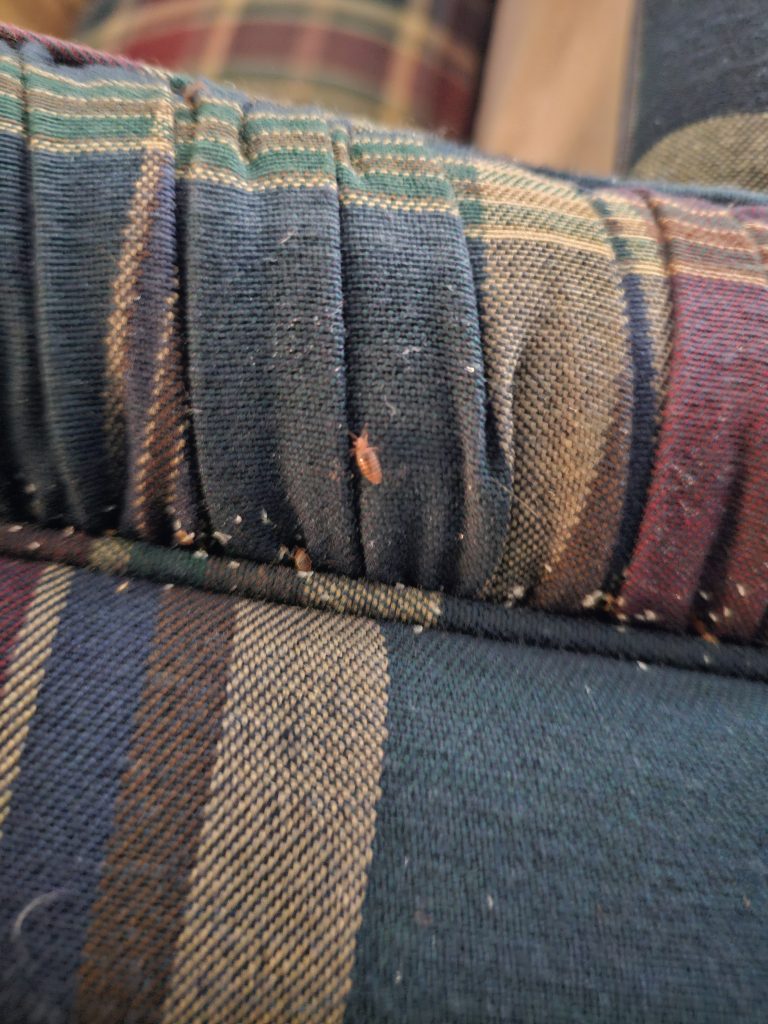
Bed Bug Information
Explore Bed Bug Solutions Instead.
Bed Bug Facts
First of all if you are here because you have bed bugs and are feeling bad, awkward, dirty or ashamed. DON’T! Bed bugs can be found in houses, hotels, apartments, and dorm rooms. They can also occur in an office, school, library, movie theater, restaurant, care facility, shelter or many other public places. It is also very common to get bed bugs from friends and family. They do not care who you are, where you live, how dirty or clean your home or you are, they have one goal…to feed.
Keep in mind that bed bug infestations can occur ANYWHERE. Individuals and families who take frequent vacations or travel regularly are certain to come across an infestation at some point. Given we humans are a bed bugs transportation, not to mention favorite food supply, anywhere there are people is a place there could be bed bugs.
If you are exposed to a place that is already infested (whether or not you realize it) you can easily bring that infestation home with you. To keep from spreading bed bugs, everyone (especially frequent travelers) should learn as much about them as possible. That’s why we are here!
Think of these creatures as the ultimate stow-aways. Hitchhikers of the insect world. They can hide themselves in bags, furniture, and suitcases. Donated or used clothing and linens are another means of transportation. Bed bugs do not possess the ability to fly or jump so they must climb or drop onto you or your items. That’s when they find their way into your home, office or any other place you may visit.
If you live in an apartment or any other shared wall living situation such as a duplex, neighbors can unknowingly bring bed bugs into your home. Ever the resourceful creatures, they will climb through the floors, walls, and outlets to get between units.
After the bed bugs have made themselves at home in your home, they will begin nesting where humans like to sleep or relax to establish their food source (this means your bed and couch people). Once this is established, a female will start laying eggs and feeding regularly. All it takes is one pregnant female bed bug and you could have a full blown infestation in no time. Learning about how easily bed bugs are acquired is very concerning for most people, but fear not; there are several things you can do to prevent bed bugs. Just visit our Preventing Bed Bugs section to find out more helpful tips.
After the bed bugs have entered your home they will begin nesting where humans sleep or relax to establish their food source. A female bed bug can lay up to 500 eggs in her lifetime. It only takes ten days for eggs to hatch and once newly hatched bed bugs emerge they will begin to seek a host immediately. With her food source (you) established, the female will begin laying her eggs and feeding regularly. After the first eggs hatch the infestation will grow exponentially.
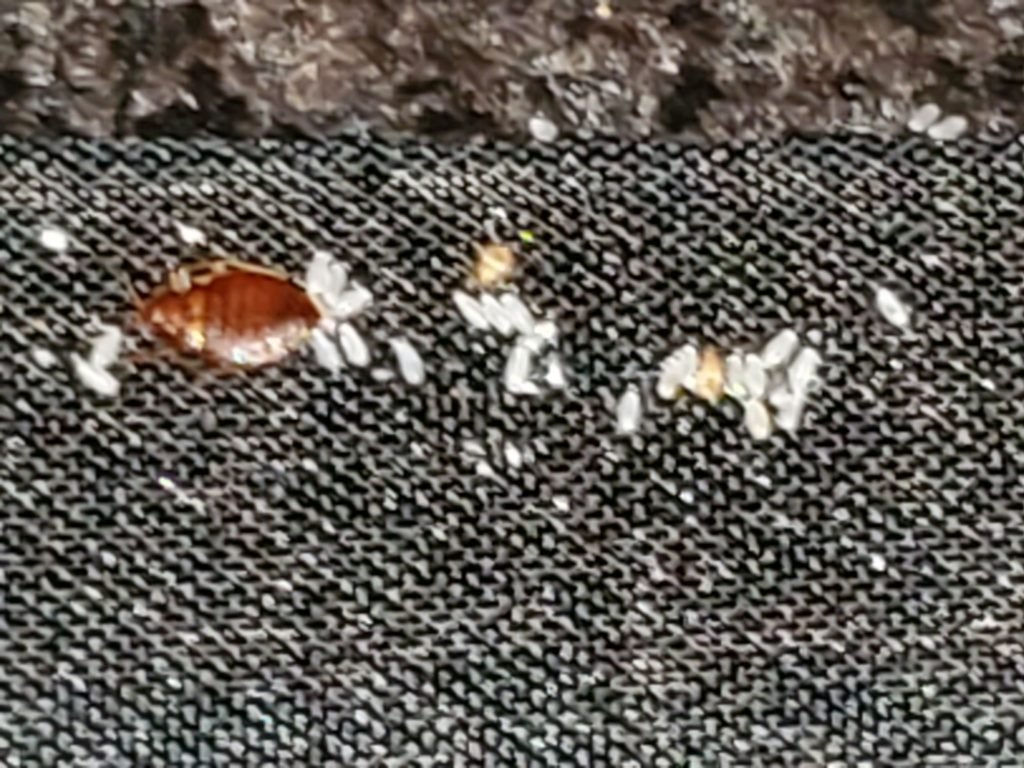
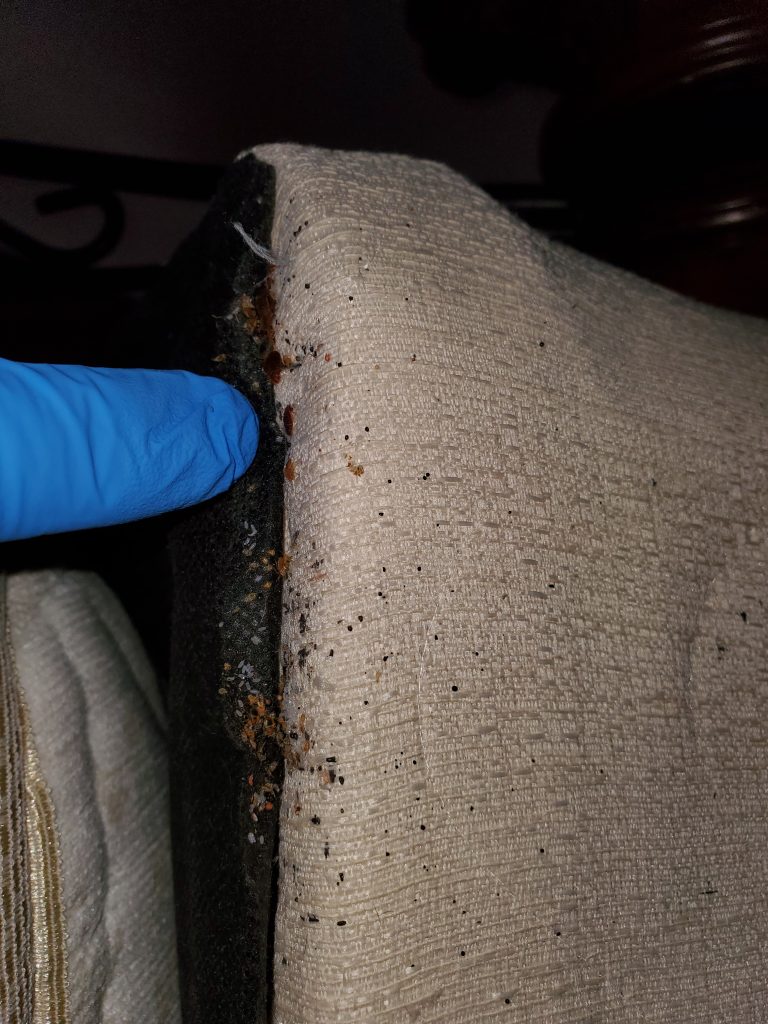
Families of bed bugs make nests of feces, eggs and other bed bug carcasses which too will continue to grow very quickly. However often times they won’t be detected for several weeks or months. Remember: All it takes is one pregnant female bed bug and you could have a full blown infestation in no time.
Like other creatures that feed on blood, bed bugs release an anticoagulant agent that keeps the blood from clotting thus allowing them to get the most out of their meal. Again, like other blood suckers bed bugs inject an analgesic or anesthetic type secretion that causes you to not feel when they bite. Sometimes the only evidence left behind are itchy bite marks, but not always. You may even continue to bleed after they have bitten, leaving small stains on clothes or bedding.
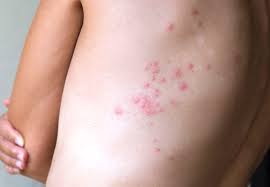
Take note that bites may look similar in appearance to other insect bites like mosquitoes. However, bed bug bites generally form in patterns or groupings on the skin. They will be incredibly itchy. But their similarity in appearance to other bites makes it almost impossible to distinguish a bed bug bite from many others. This is why bites alone cannot be conclusive proof of a bed bug infestation.
Bites may not appear on a nightly basis; bed bugs can survive long periods without feeding but generally feed once every three to five days. If there is a pattern of bites happening week after week, and you have ruled out mosquitoes, then it could very likely be bed bugs.
NOTE: Some individuals will have an allergic reaction to the anticoagulant released in the bite. This can cause redness and swelling in the area as well as general irritation. Although bed bug bites are not known for causing disease or other health issues, an infestation can cause mental symptoms like fear, anxiety, inability to sleep, and paranoia. If an individual is allergic to bed bug bites (in rare cases) their bites can cause anaphylactic shock.
You can see bed bugs through your own inspection if you know where and how to look. To begin grab your flashlight, the flashlight is a key tool in your inspection as it makes the bed bugs easier to identify with the naked eye. You should begin your inspection by picking up and turning over furniture. Be careful to thoroughly check the inside of cushions, near all seams, in cluttered areas, corners and hard to reach locations. A magnifying glass could be useful for this purpose if available.
During the day bed bugs will normally be hiding, making them difficult to spot and allowing the infestation to grow. Note: Skin irritation caused by bed bugs is often mistaken for allergies or mosquito bites. By the time the client finds out it is bed bugs, the infestation can be large enough to plainly see in all rooms.
Bed Bug Prevention Tips
Although sometimes it may seem impossible to prevent bed bugs there are measures you can take to increase your chances of remaining bed bug free! Remember it is always easier to prevent an infestation than to get rid of one so it’s better to be safe than sorry. Just follow these simple tips we have crafted through years of professional experience dealing with bed bugs.
- Bringing Used Items Into The Home
Garage sale items, used goods, thrift store merchandise, etc. Unfortunately it might not just be great bargains you bring home with you. Items that have been sold or donated frequently contain bed bugs. One easy way to avoid bed bugs is to buy new when possible. - If You Know Someone Has Bed Bugs
Do not enter their home or let them enter yours until they have addressed the issue. Never bring items from their person or home into your home. Lastly, do not ride in their car or allow them to ride in yours. Although this may sound harsh it is the only way to ensure their situation does not become yours. - Purses, Backpacks, and Luggage
Do not set your purse or bag down in areas you suspect could have bed bugs. Bed bugs can be in very unsuspecting areas such as work, public spaces, or someone’s home. Always try to hang your purse from something metal or if that is not an option leave it in your car if possible. Bed Bugs have a special preference for purses and backpacks, they have the nooks and crannies they love. - Parties and Events at Your Home
Consider asking guests to leave their items such as coats, jackets, purses and backpacks in their vehicles to reduce the risk of someone bringing bed bugs into your home. (Remember to be polite about it no need to offend aunt Sue before Thanksgiving dinner.) - Library Books...Ya Library Books
Yup library books are public items that travel from home to home. Unfortunately some of those homes may contain bedbugs. When you check out books from the library just be cautious. If desired (and weather permitting) you can read them outdoors to reduce risk. - Hiring Maid or Outside Cleaning Services
Make sure they use your personal vacuum. Using their company vacuum could transport bed bugs from another home to yours. Vacuum cleaners have many small compartments, nooks and crannies that make it an easy avenue for transporting small bugs like bed bugs.
 Remember that the only way bed bugs travel from place to place is by going unnoticed, thus allowing them to hitch a ride with unsuspecting victims like our luggage! So when you travel, stay at a friend/family member’s, or anywhere that is not your own home be sure to follow these steps:
- Luggage, Purses, Diaper Bags and Backpacks: Do not put your suitcase or bags on any furniture while you inspect so that if there are bed bugs they will not climb out onto your items and escape your gaze. Inspect the luggage rack (if provided) and then you may use this to keep luggage elevated off of the floor. Never put your suitcase on the bed. Its best to leave bags by the front door until your inspection is complete.
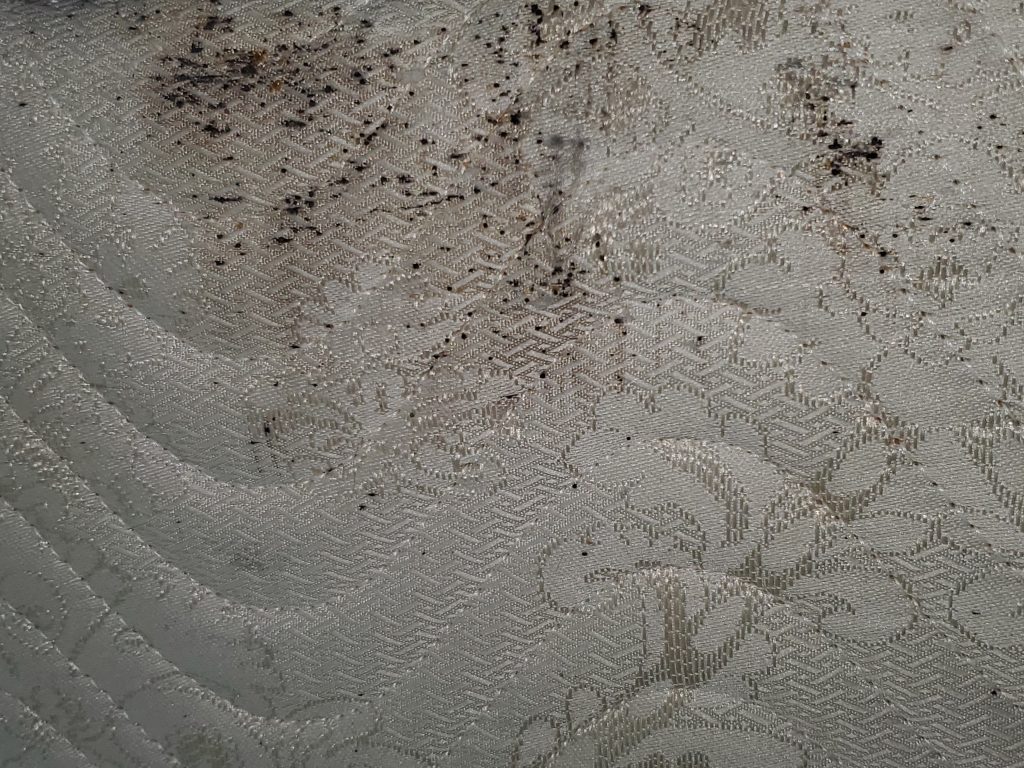
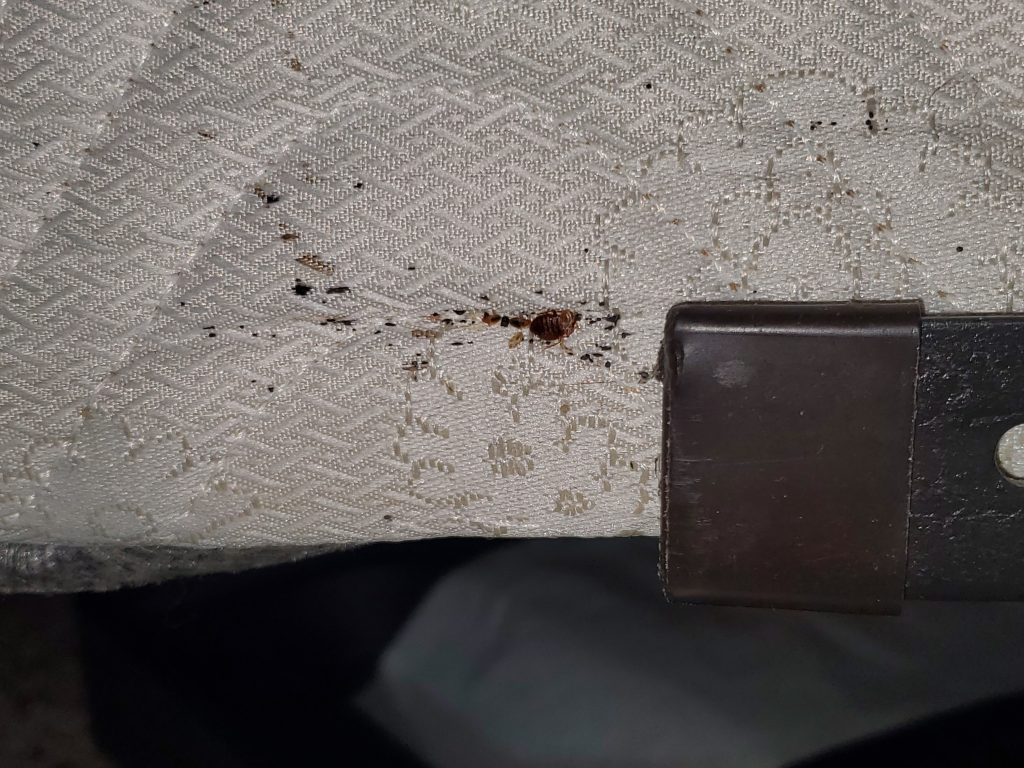
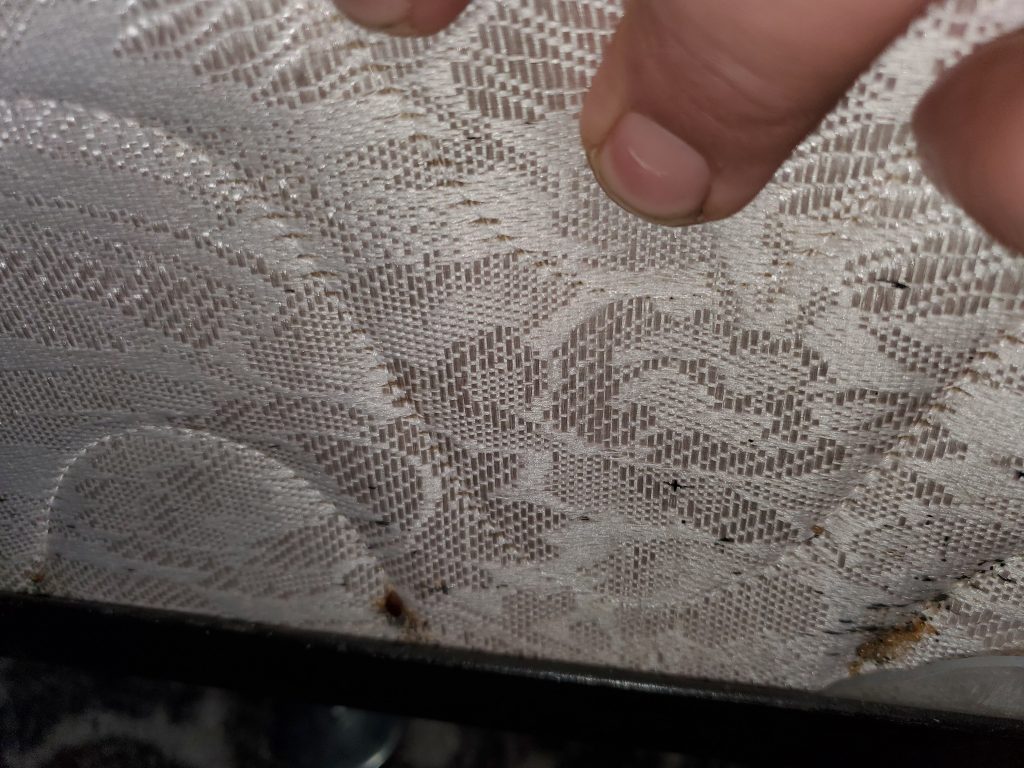
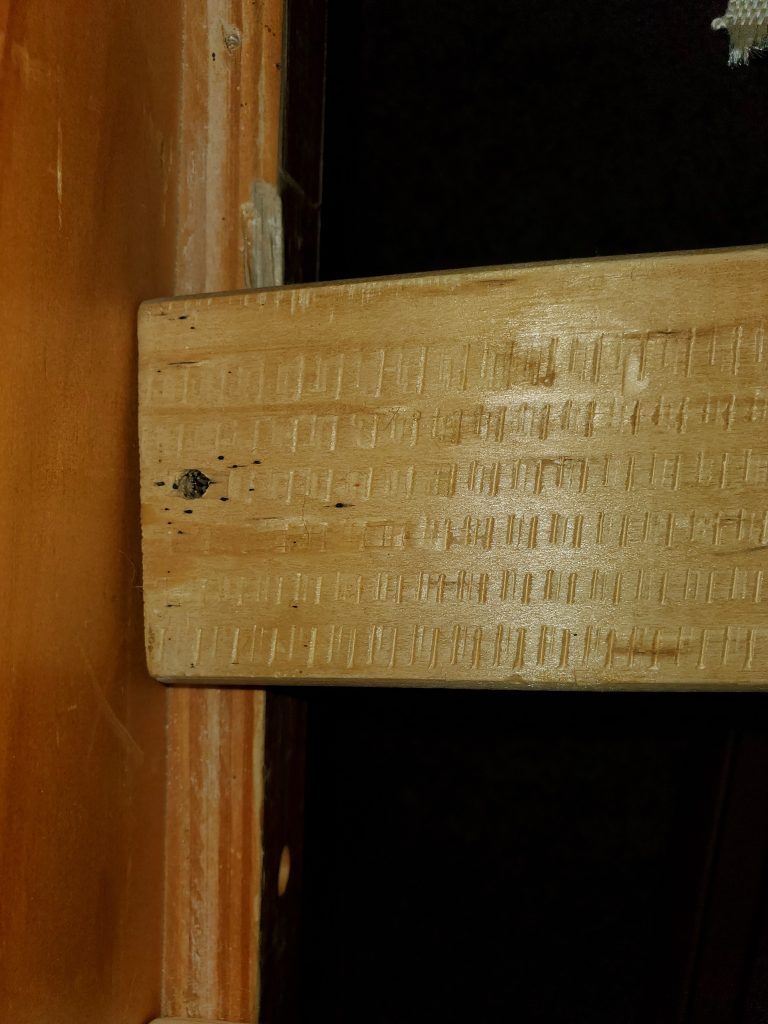
- Inspect The Room for Signs of Bed Bugs: Check for small black (peppered) stains in scattered groups on bedding, bed frames, and mattresses. Pay special attention to cracks and seams. Lift the mattress and box spring and look on underside seams, these are prime hiding spots for bed bugs.
- If You Find ANY Evidence of bed bugs: Alert hotel management immediately. Remove any items, yourself and family from the room. If at a friend or relatives home make them aware of the situation right away and remove yourself while they address the issue.
Follow these steps when you return home:
- Put anything that you brought with you outside for inspection. This means bags, luggage, cribs, and anything else you lugged along.
- Put everything from the luggage into plastic bags for inspection.
- Wash and dry all clothes and linens on the highest heat possible.
- Place suitcase in plastic bags and place outside in the sun for several days.
- Flip the bagged suitcase twice a day to ensure thorough heating.
- Keep suitcase sealed in bag until your next trip.
If you suspect that bed bugs were present at the hotel where you stayed feel free to contact us we would be happy to treat your luggage.
Tip: How to sanitize linens to prevent a bed bug infestation.
Keeping bed linens, pillows and mattresses hygienic is maybe the most important step to preventing bed bugs from setting up house in your home.
For maintenance purposes remember to thoroughly wash and heat dry your bedding regularly, as well as vacuuming and cleaning your mattress and under beds frequently.
If You Know Or Suspect Your Bedding Has Bed Bugs:
When taking linens to a laundry facility always seal linens in trash bags before leaving the home.
Be sure to place the bag inside the washing machine before you untie the top, proceed to empty the contents of the bags into machines.
When the bag is empty, immediately seal the empty bag to prevent further points of escape for bed bugs.
Bed bugs may be in the bag, so be sure to take dispose of it responsibly to keep bed bugs from escaping and contaminating other areas.
When Washing At Home:
After mattresses, carpets and pillows have been professionally treated follow the same bagging steps as above for bedding.
Always use as high a temperature as possible for both water and heat drying.
Tip: Prevent Bringing Bed Bugs Home From Work.
If your workplace has a bed bug infestation it is very important that you follow the procedure outlined below to prevent bringing those suckers home.
These are the decontamination procedures followed by our team members.
Set up decontamination area on your property. (We Provide This Service If You Prefer) The decontamination area is ideally placed in the garage and/or the laundry room
When you get home from work strip your work clothes and place them in a sealed plastic bag
Wash contaminated clothes and dry on the hottest setting in the dryer
Follow Linen Sanitation Instructions
Shower to remove any bed bugs that may be on your person paying attention to any bugs that may fall off during shower
Other Work/Home Transfer Tips:
Have a designated work bag that does not enter your property past the decontamination area
Have designated work shoes that do not enter your property past the decontamination area
DIY Bed Bug Treatments

"Hi! Im Martha, Its great to meet you. I am here to help you out with some nifty information that could definitely help whatever current bed bug problem you are facing. You see I know all about it and I am here to tell you what I have learned. I’m not going to pull any punches, I am going to tell you what works and what doesn’t. How effective it is and how it may not work in a certain situation. I want you to get a clear picture on what diy bed bug treatment can and cant do for you. Now lets get to it."
“I am a proud wife, mother, writer and homemaker. That of course comes with challenges like cleaning, scheduling, meal prep, work, activities…I could go on and on (but of course you know) Ah life and all its challenges, no matter if you are single or have a packed house life can get hectic, and I know you are the one managing all of it! That’s why when this bed bug problem came up (yet another thing to deal with) you found yourself here. I know, you looked up bed bug treatments and bed bug exterminators. Then you, like myself and many others before us decided we might try tackling it on our own. Well I am happy you found me. I have spent countless hours researching and experimenting diy bed bug treatments and natural bed bug bite treatment. Below I have broken down common and some uncommon diy bed bug treatments.“
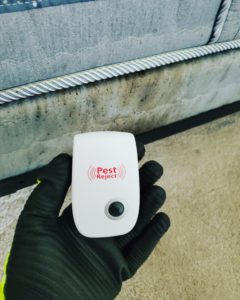 The Method:
The idea behind this diy for bed bugs is to use ultrasonic devices, typically those that you plug into the wall. The high frequencies of the sound waves emitted from the device are believed to be uncomfortable for bed bugs, forcing them to leave the area.
True or false?
False. Like with most theories of using ultrasonic devices as home remedies for pests, these devices have no effect on bed bugs whatsoever. Michael F. Potter, an entomologist at the University of Kentucky in Lexington, explains that ultrasonic devices have never proven themselves to be effective control tools. “If anything, I would expect the bugs to utilize them as a haven since they often emit small amounts of heat.”

“That’s right Dr. Potter, as a matter of fact many commercial bed bug traps use small amounts of heat, like the heat we humans emit, to attract them inside. Id say that is the exact opposite of what we all want“
The Method:
The method around this popular DIY bed bug treatment is to sprinkle baking soda around the areas that bed bugs typically harbor, such as the mattress, box-spring and the area around your bed. After a few days, you’re supposed to vacuum it up and repeat the process.
Baking soda is believed to get rid of bed bugs by absorbing the surface fluids on the waxy layer of a bed bug’s shell and cause them to dehydrate. It is also thought that the small granules of baking soda can cut into a bed bug’s shell and cause internal bleeding.
True or False:
False. There is no scientific evidence to suggest that baking soda is a successful home remedy for bed bugs. Baking soda actually breaks down when it comes into contact with water, so the idea that it can absorb the thick fluids found on a bed bug shell is indeed quite questionable. Although it may seem to work in some instances, it is not a guaranteed fix by any means to fully remove a bed bug infestation from a property.
“Sadly I found any positive result seen was likely caused by the bed bugs avoiding the area in which the baking soda was applied. Another downside to this diy is the amount of baking soda one will need, and all the effort in repetitive application and clean up.”
 The Method:
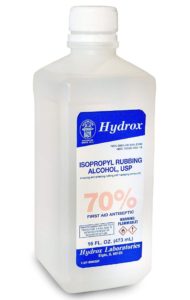
Purchase a bottle of rubbing alcohol from your local pharmacy and pour the contents into a spray bottle. Apply the solution to the common bed bug hotspots such as underneath furniture and on your bed frame.
True or False?
Both. It all depends on the alcohol percentage. Another study conducted by Changlu Wang and his research team at Rutgers University showed that after being sprayed with rubbing alcohol, half of the bed bugs still survived after four days. While it is believed that an alcohol percentage of 90% or above will effectively kill bed bugs, it must be directly on contact.
“ Not a great diy for most infestations as the bed bugs will be hiding out of the reach of spray and walking on it after will do nothing. Also a 90% concentration of alcohol can have a negative impact on your health, while also causing a major fire hazard! Oh my. “
The Method:
Place infested items such as pillows and duvets into your freezer.
True or False?
True. Freezing infested items is actually an effective home remedy for bed bugs! For this bed bug home remedy to be successful, the temperature of the freezer must remain at or below 0°F, and the items should be left in the freezer for at least 4 days. However, like with most home remedies, it is not a foolproof solution by any means. To fully remove bed bugs from your home this is not the solution. However it is an effective way to help reduce the number of bed bugs in your home, and to remove them from infested items.
“I say if you have the extra freezer space and four days then do it! Unfortunately it will do nothing for you if the infestation has spread to cracks and crevices in walls or baseboards and for larger items like beds and frames it is not practical. But darned if I didn’t try to get that mattress to fit in my deep freeze!”
 The Method:
For this DIY bed bug treatment, it is recommended that you dilute around 20 drops of tea tree oil in a spray bottle filled with water and apply the solution to the common bed bug hotspots. This home remedy for bed bugs is believed to work as the tea tree oil soaks into a bed bug’s exoskeleton, leading to suffocation.
True or False?
False. This bed bug home remedy is only partly effective when it is sprayed directly onto the insect, and thus will not fully solve a bed bug problem. Furthermore, it is argued that only undiluted tea tree oil will work, which is something that can be harmful to humans and is NOT advised.
” I love essential oils as much as the next gal so its too bad it is not a solution to the bed bug problem. While I’ve found tea tree and even lavender oils can deter the bed bugs it will only make them find refuge elsewhere, and once dried, unfortunately, does zip. “
The Method:
There are two methods for using talcum powder to get rid of bed bugs. 1) Sprinkle talcum powder around the bed bug hotspots such as underneath bedroom furniture. Similar to baking soda, it is believed that talcum powder will get rid of bed bugs by causing them to dehydrate. 2) Create a trap by putting some talcum powder in a bowl and placing them underneath your bed. Bed bugs will be able to get into the bowl but the talcum powder will make it too slippery for them to get out.
True or False?
False. Like with baking powder, there is no scientific evidence to support the idea of talcum powder killing bed bugs by causing them to dehydrate. This is because the powder is not sharp enough to penetrate a bed bug’s exoskeleton. Using talcum powder as part of a bed bug trap can have some success, but it does not fully eradicate a bed bug problem.
“Like most DIY’s this one wont catch them all. Let alone kill them at all. I also found it to be quite the chore with all the extra vacuuming, like the baking soda method this requires several days or weeks of thorough vacuuming and reapplication. Not with my to do list thanks!“
 The Method:
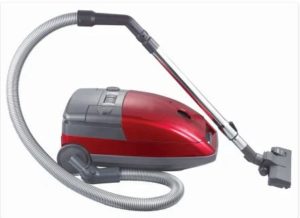
Vacuum your home thoroughly. Pay close attention to the bed bug hotspots such as underneath furniture and between wall joints. Use the attachments to get into the hard-to-reach areas as well as along the seams of your mattress, cushions and pillows. Once finished, empty the contents of the vacuum in an outside trash can.
True or False?
Both. Vacuuming is an effective DIY bed bug treatment! Unlike other home remedies, this process can help remove both adult bed bugs and nymphs as well as the eggs. It is important to remember to empty the vacuum in an outside trash can to help reduce the possibility of them returning. However, like most DIY pest control solutions, vacuuming will not fully eradicate bed bugs from your home, but it is another good way we can help reduce the numbers.
”While vacuuming use EXTREME caution, there is risk. Bed bug eggs are sticky and can attach to anything, even the inside and brush of the vacuum. If you do not also treat the vacuum properly after each use for this DIY you may infact SPREAD them around the house! Remember bed bugs can live 365 days without feeding just waiting for the right time. And still this does nothing for cracks and crevices your vacuum tools cannot reach.”
The Method:
Place scented dryer sheets underneath your mattress, in cupboards and drawers, underneath sofa cushions and any other areas you might expect bed bugs. The idea behind the success of this DIY bed bug treatment is that the scent of the dryer sheets will repel the bed bugs.
True or False?
False. There is no scientific evidence to support the success of dryer sheets repelling bed bugs. Even if the scent of the dryer sheets does repulse bed bugs they will find a way around them to get to their food source, you.
“I had heard the same diy for mosquitoes and gnats, and just like with those pests dryer sheets did no good for bed bugs. Much like our essential oils, a scent, pleasant or not, is not enough to get rid of your bed bug problem. Once again we find ourselves dealing with a diy bed bug deterant not an extermination method. Sigh“
 The Method:
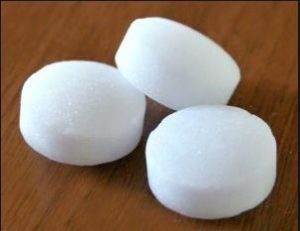
For this bed bug home remedy, it is suggested that you place a handful of moth balls around the common bed bug hotspots such as underneath your bed, sofa, or other furniture. The theory behind this method is that the chemicals used in moth balls have quite a pungent smell, something bed bugs don’t like. Because of this, it is believed that the smell of moth balls naturally repels bed bugs.
True or False?
Both? Studies have been conducted to test the effectiveness of moth balls as a home remedy for bed bugs. Changlu Wang and his research team at Rutgers University in New Jersey tested the effectiveness of this DIY bed bug treatment option. The results showed that the moth balls failed to wipe out bed bugs after 7 days. Although between 44-60% of the adult bed bugs died, the eggs and bed bug nymphs still survived.
“So does it work? Kind of. It does not kill nymphs or eggs and is only effective at killing a fraction of the adults exposed. So will it rid the house of them. No. Unfortunately the effectiveness of this diy is in enclosing the adults with the moth balls, if they can escape or hide the diy is useless.“
The Method:
Strip the bedding from your bed, place it in a thick trash bag and transfer it to the washing machine. Wash the bedding at a high temperature of at least 140°F, ideally for at least 90 minutes. The theory behind this diy remedy for bed bugs is based on the impact of heat. Bed bugs aren’t too fond of high temperatures; you could say that it’s their worst enemy (besides NV Heat Pest). The high temperature of the washing machine helps kill bed bugs – adults, nymphs and eggs.
True or False?
True! Washing your bedding is an effective diy method to get rid of bed bugs. HEAT is the best way to kill bed bugs and is the key to Neighborly Pest Control signature HEAT treatment.
”Yes! This is a diy sure fire way to kill bed bugs at every stage! Unfortunately we cannot heat our whole home with this method but it is the absolute best and only way to get them out of clothing, bedding and I have found stuffed animals too. Based on my experience it’s best to put all infested clothing and bedding into a sealed trash bag, then place the bag into the washing machine before opening it. So yes, it will kill the bed bugs of all life cycle on your linens but it won’t fully remove them from your home.“
The Method:
Apply a fine amount of diatomaceous earth along the seams of your mattress, bed frames, and furniture. This home remedy for bed bugs is believed to work by causing the bed bugs to die of dehydration.
True or False?
True. Diatomaceous earth can be an effective DIY bed bug treatment. However, there are important elements that lead to its success.
- 1) It has been suggested that the amount of diatomaceous earth applied effects how well this diy for bed bugs works. Too much and the bed bugs will simply navigate around it, to little and it will spread and be ineffective. It can also be extremely bad for your health if inhaled.
- 2) A study detailed on the Pest Control Technology website examined the effectiveness of Diatomaceous earth to treat bed bug infestations. The results showed that as a stand-alone treatment, it’s not a foolproof solution.
“Oh my this is a tough one. While DE does work to kill bed bugs in some situations it really depends on the infestation as a whole and how you use it. In most all cases far to much is applied by a diy-er, and sometimes the wrong type, such as DE for pools. I have also found it impractical and I dare say dangerous to use all about the home for the extended periods of time needed for the treatment to work, up to 15 days. Another unfortunate note is the risk when inhaled especially if you or a loved one suffer any breathing problems like mine. And again there’s all the vacuuming. Nope, this ones never been a simple solution for me”
A Warning from Martha:

Diatomaceous Earth can be a useful part of a total bedbug elimination plan, but there are some people who should never use it: Asthmatics, people with COPD, and those with other lung ailments should not be exposed to DE. The irritation caused by DE can be very dangerous with people who suffer from lung conditions and severe sinuses. It may seem harmless to the touch but it is not harmless to the mucosal lining of our respiratory tracts. When an asthmatic inhales DE, it can damage their nose, sinus, throat, bronchi, and bronchioles leading to an attack or worse! Then there is this crazy medical study on lung cancer mortality in Diatomaceous Earth workers. All food for thought for the DIY-er.
 The Method:
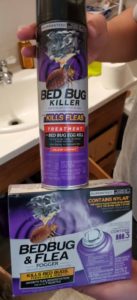
Purchase and apply bed bug fogger, spray or bomb as directed on product instruction. This diy is believed to be effective as these products contain chemical pesticides.
True or False?
False. Because bed bug bombs repel the bed bugs as well as kill them, this can make the infestation even harder to rid yourself of. The ‘fog’ does not penetrate tiny spaces. Even when everywhere in the air if the bed bug has hidden themselves then they will not come into contact with any of the insecticide. That’s because when they smell traces of the insecticide in the air, the bed bugs will scatter: into the wall, underneath the carpet, into the floorboards and other hiding places. From there, they can access other areas of the house, which means that they can infest other rooms as well. If you spray the whole home with these the bed bugs will seek shelter behind the wall and only come out to feed on you. An experiment by Ohio State University found “All three products failed miserably” and even in ideal conditions almost all the bed bugs lived though the test. Among other things the article sites that the use of such store bought treatments “contributes to increased chemical resistance among bed bugs.”
“Oh no no no, my no. Just don’t do it. Ever. I can tell you absolutely no benefit to using any of these home improvement store gimmicks and nor can anyone else! The bugs just scatter, even more so than any other treatment on my list. Please fellow DIY-ers do not do this to yourself and cause more stress, anxiety and health concerns by you yourself making the problem worse by using one of these bombs or sprays. I snag a good deal as much as the next gal but the $10 these set you back would be better put toward a professional, which is absolutely what you will need if you use this DIY!”
A Warning from Martha:

"Diatomaceous Earth can be a useful part of a total bedbug elimination plan, but there are some people who should never use it: Asthmatics, people with COPD, and those with other lung ailments should not be exposed to DE. The irritation caused by DE can be very dangerous with people who suffer from lung conditions and severe sinuses. It may seem harmless to the touch but it is not harmless to the mucosal lining of our respiratory tracts. When an asthmatic inhales DE, it can damage their nose, sinus, throat, bronchi, and bronchioles leading to an attack or worse! Then there is this crazy medical study on lung cancer mortality in Diatomaceous Earth workers. All food for thought for the DIY-er."
 "I have certainly given you a lot to think about haven’t I? I know many of the diy treatments out there are not really treatments at all but a whole lot of deterrents, false claims and quite frankly mostly useless and time consuming. None of them fully solving an infestation. However I know I have given you some helpful tricks to help you out. If you are done with the DIY route and want to hire a professional I can tell you there is none better than Neighborly Pest Control when you are ready."
Stop Living with bed Bugs today!
Our Treatment Approach
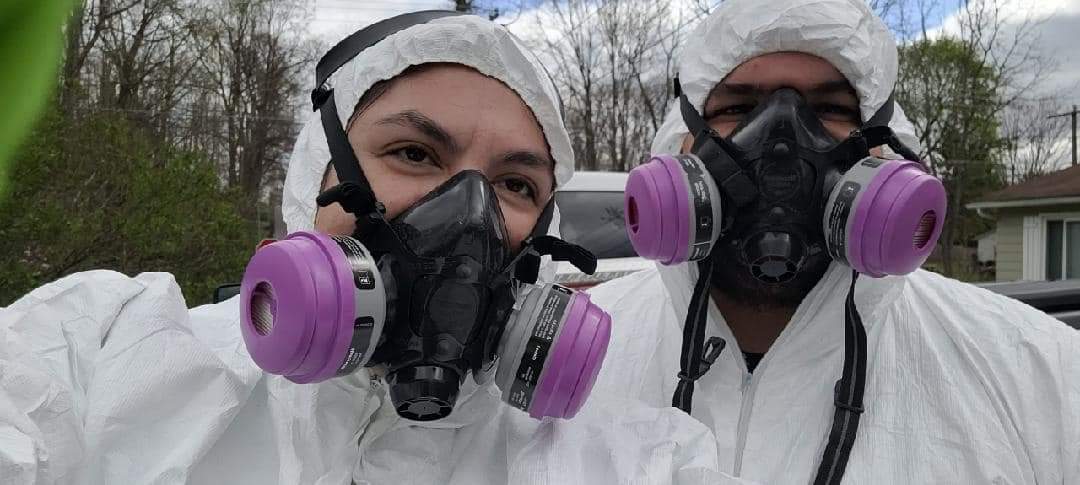
Inspection - We will come inspect areas known to be inviting for Bed Bugs. This can be a time consuming visit, it is best to be prepared.
Preparation - We will give you a list of areas that may need preparation if any. Preparation help is available upon request.
Treatment - We will carefully go through the areas in which Bed Bugs nest and treat using proven treatment methods.
Follow Up - We will Schedule a Follow Up when applicable to re-inspect and re-treat to ensure elimination.
Peace of Mind: Our Bed Bug Treatments come with a 3 Month Renewable Warranty.
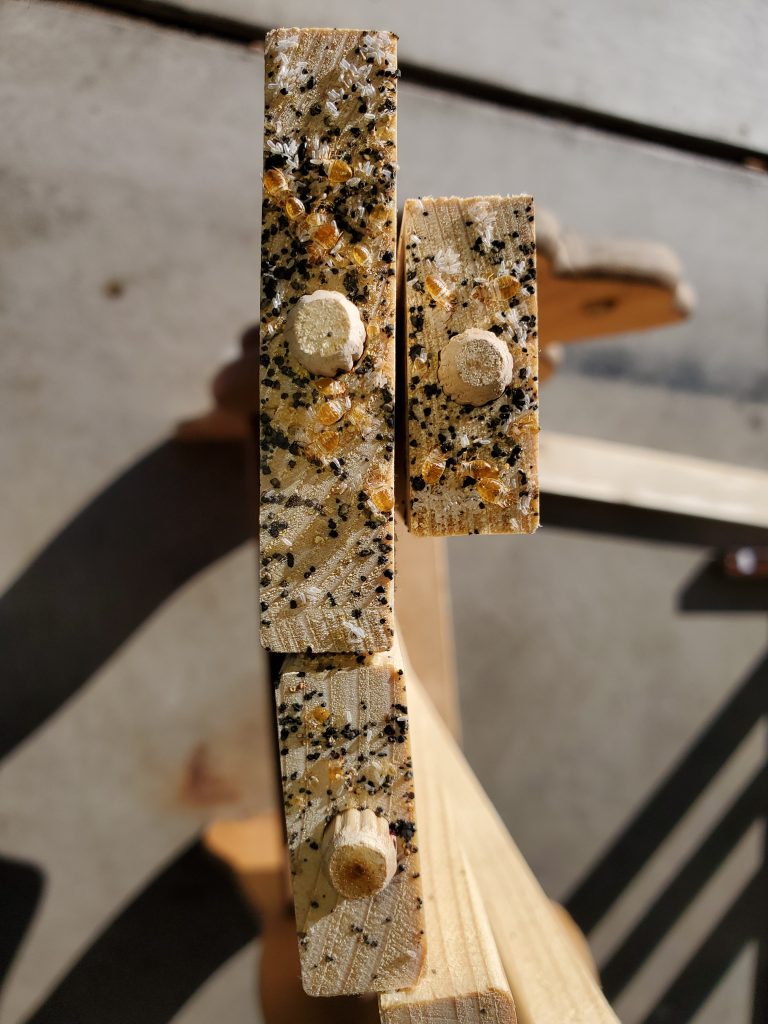
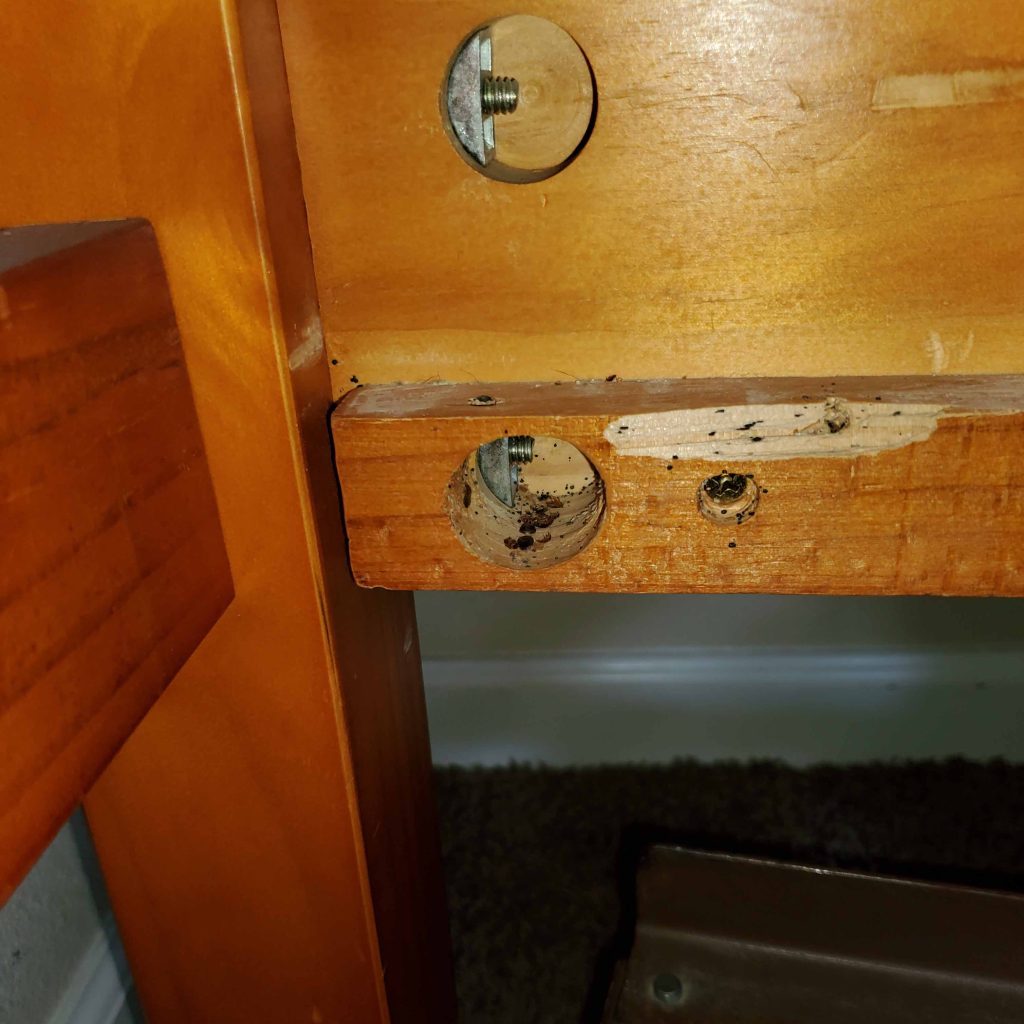
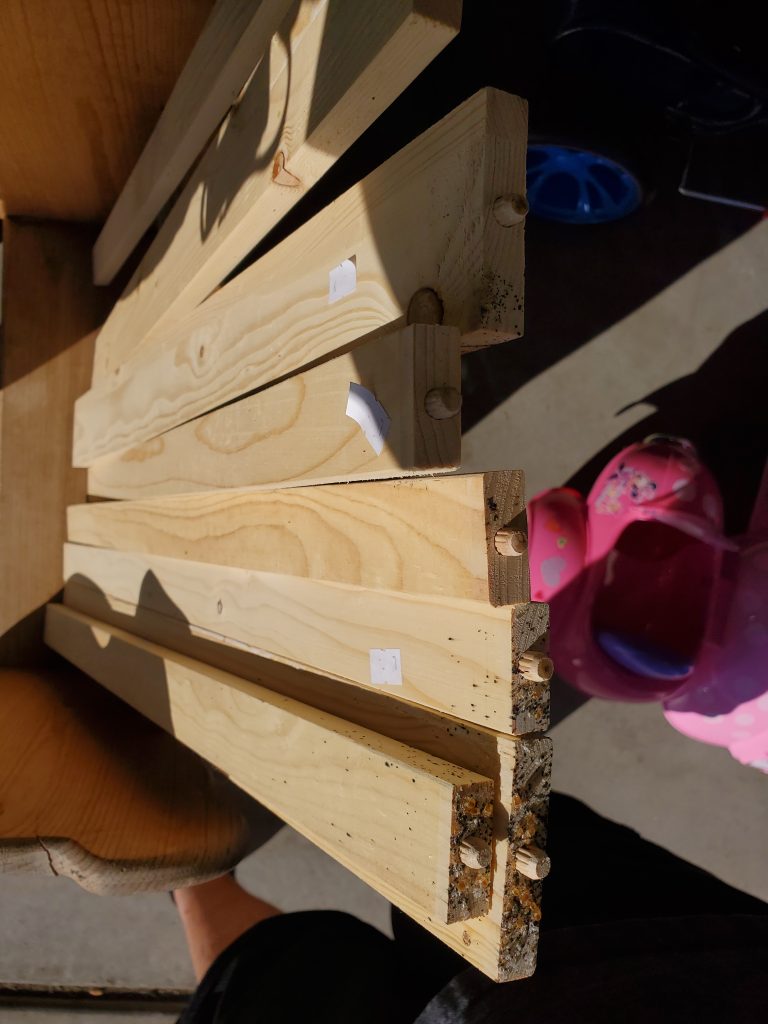
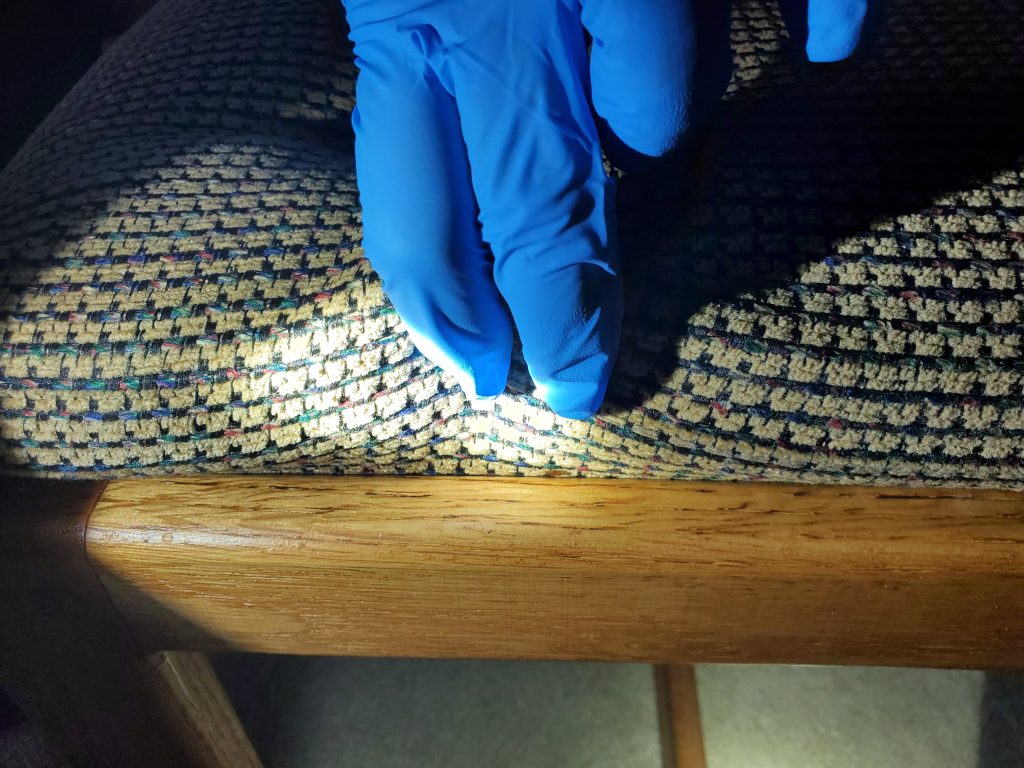
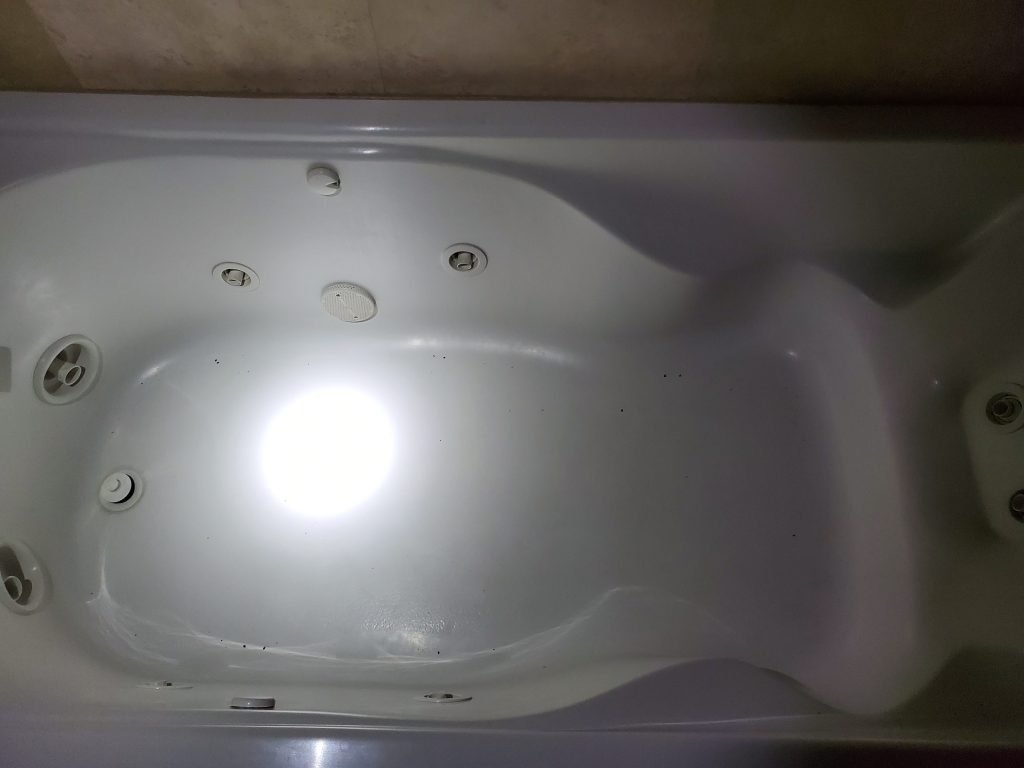
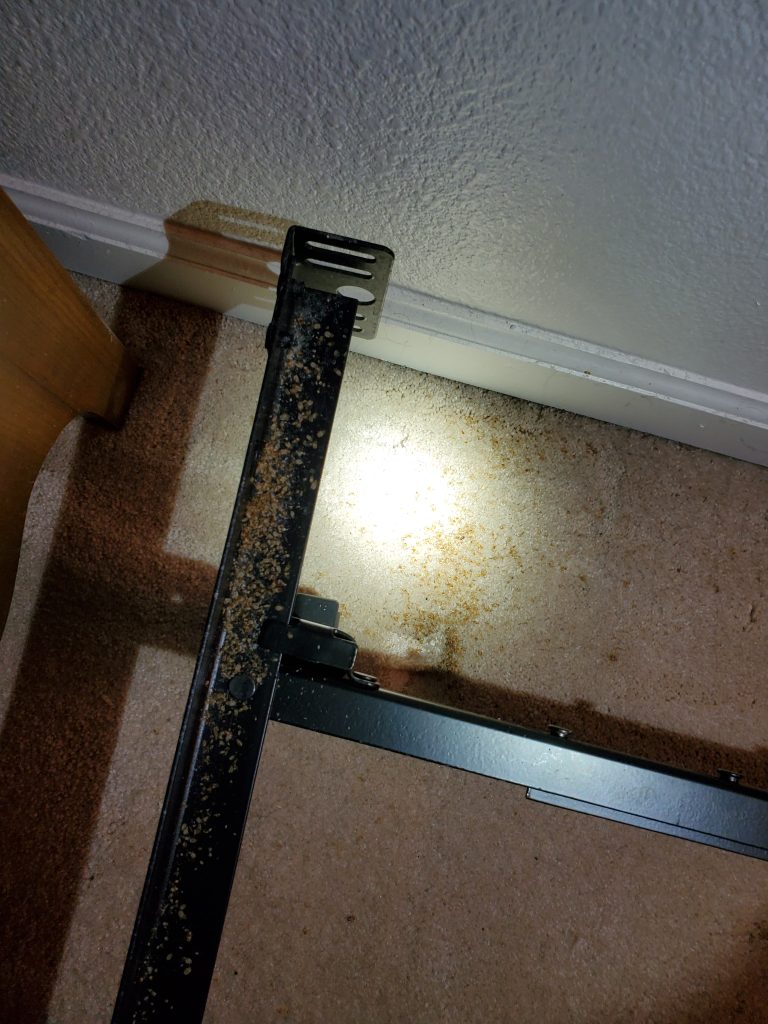
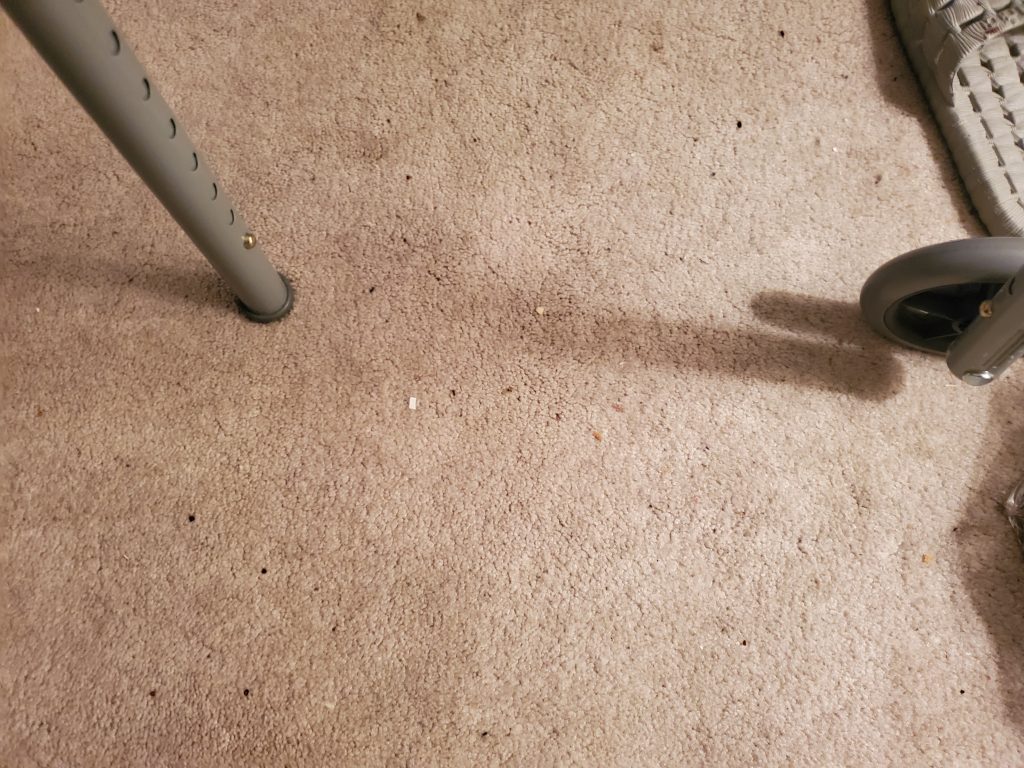
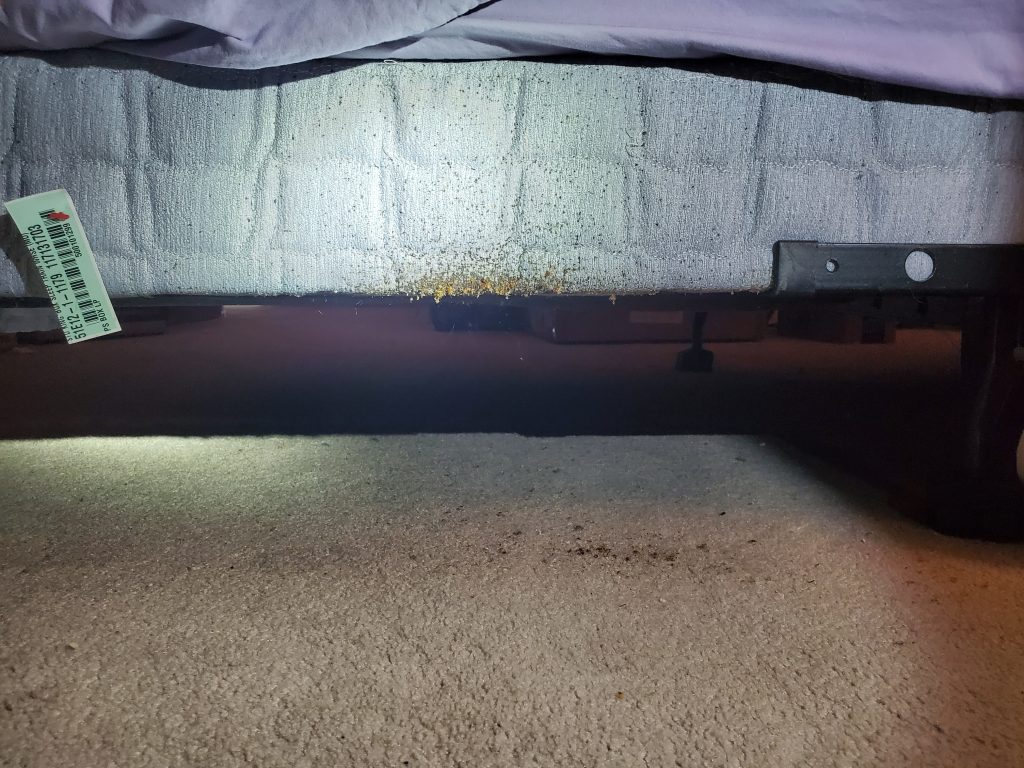
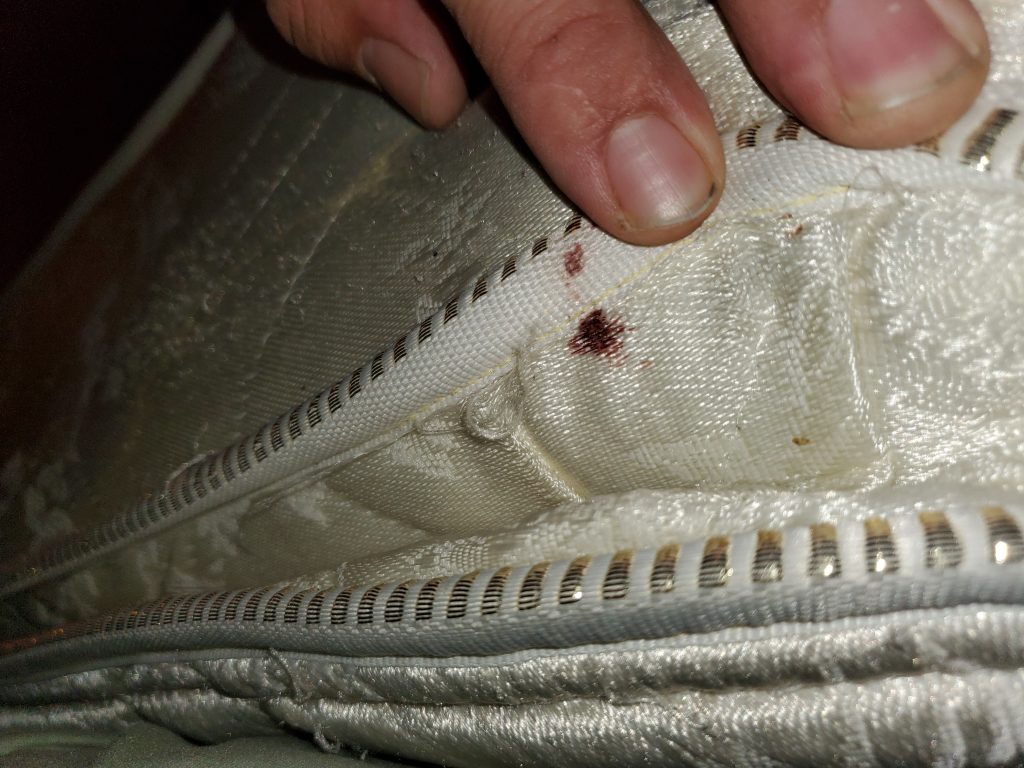
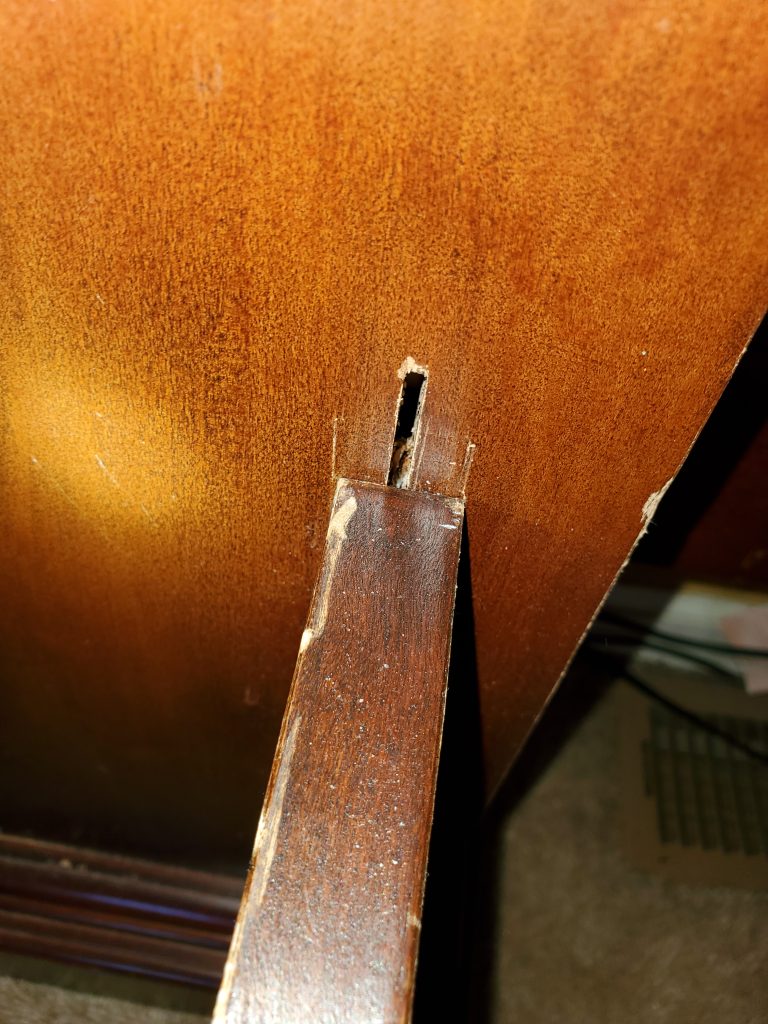
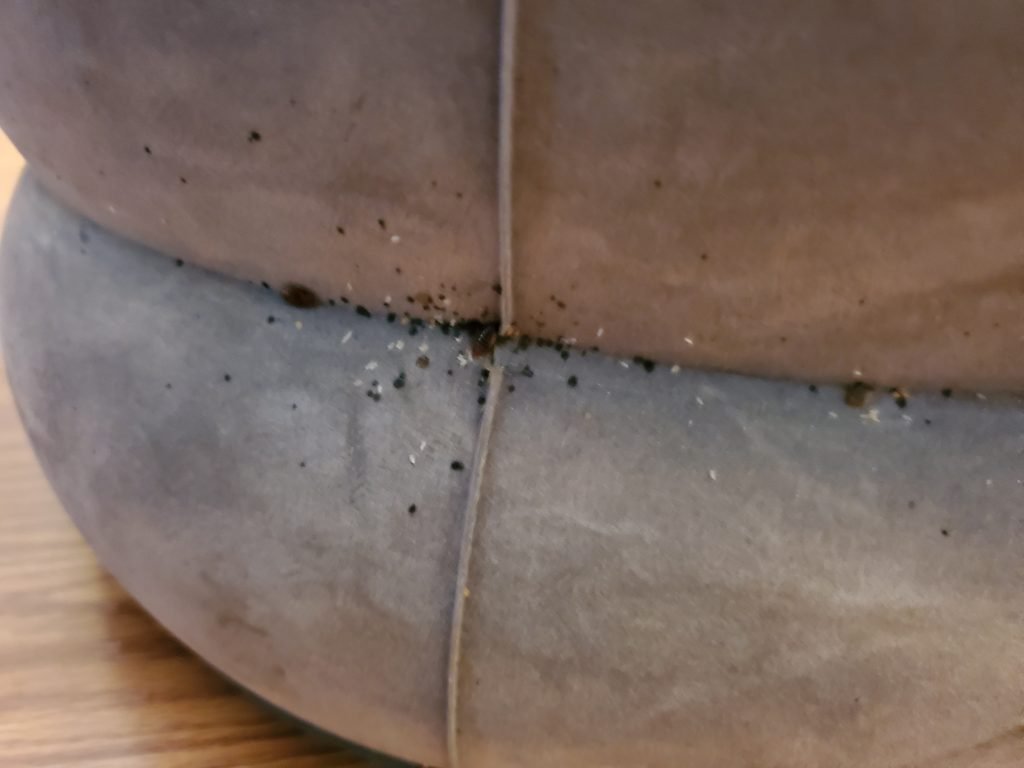
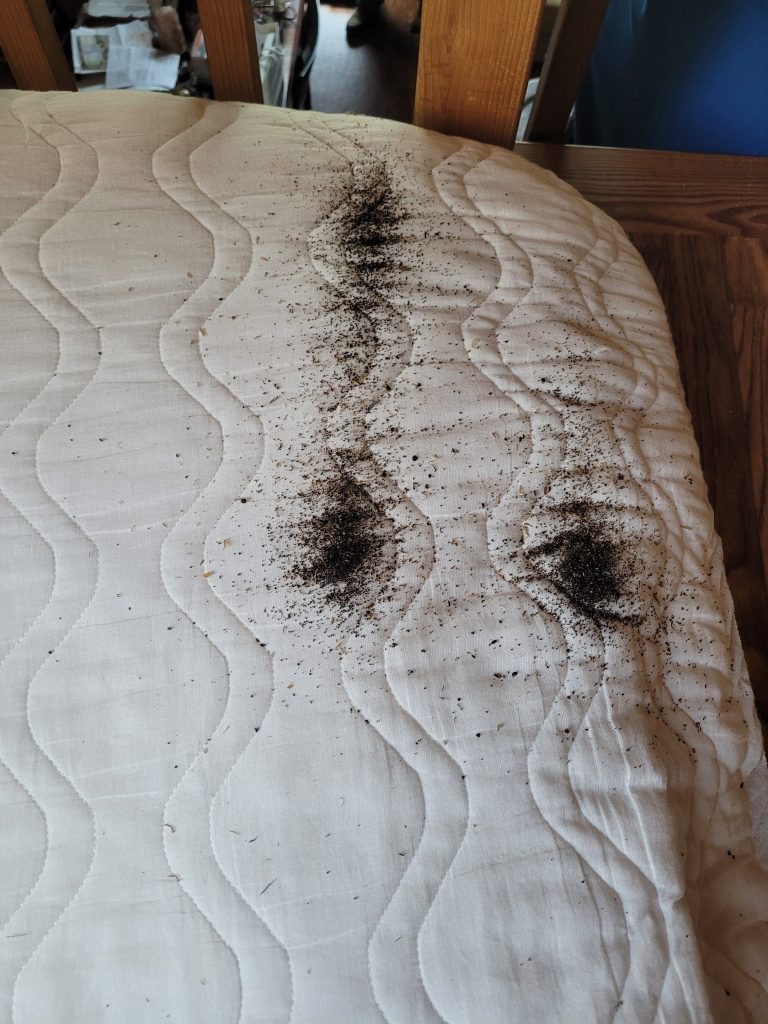
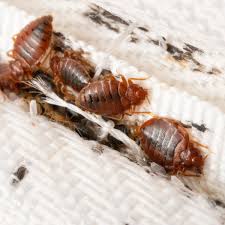
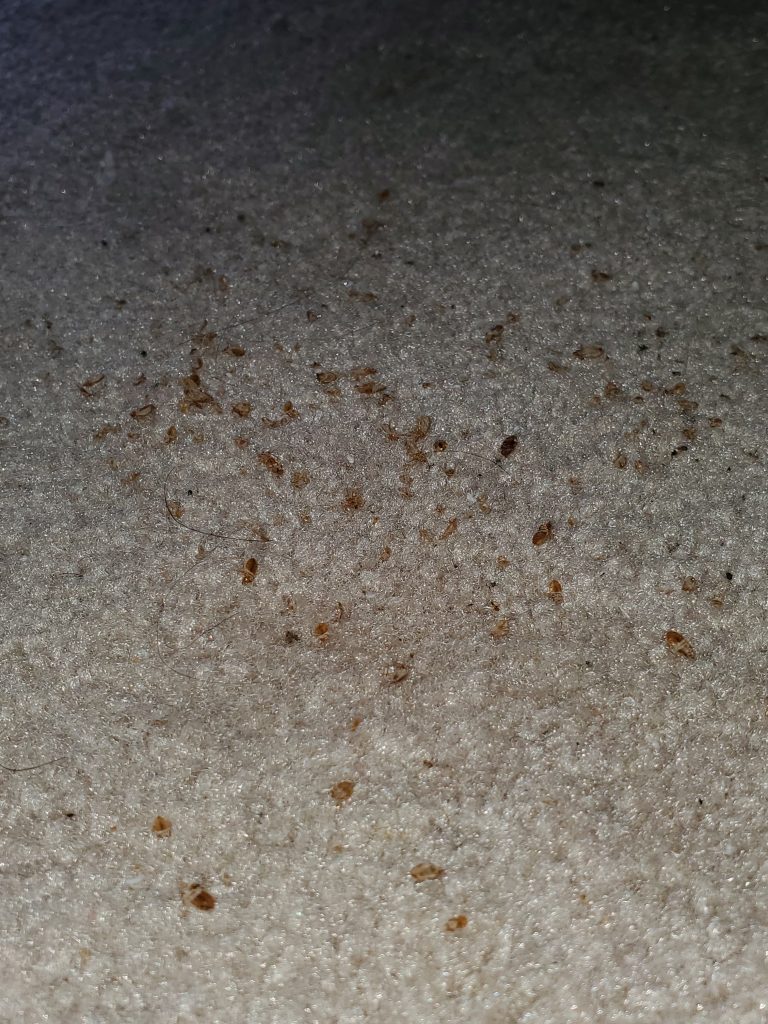
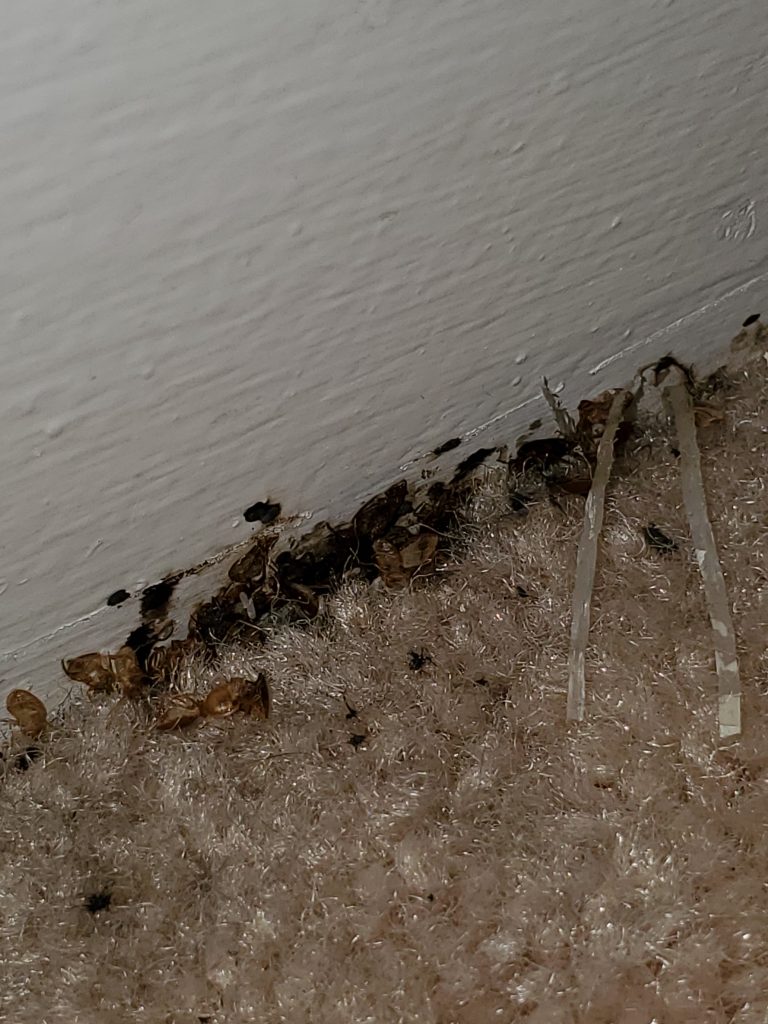
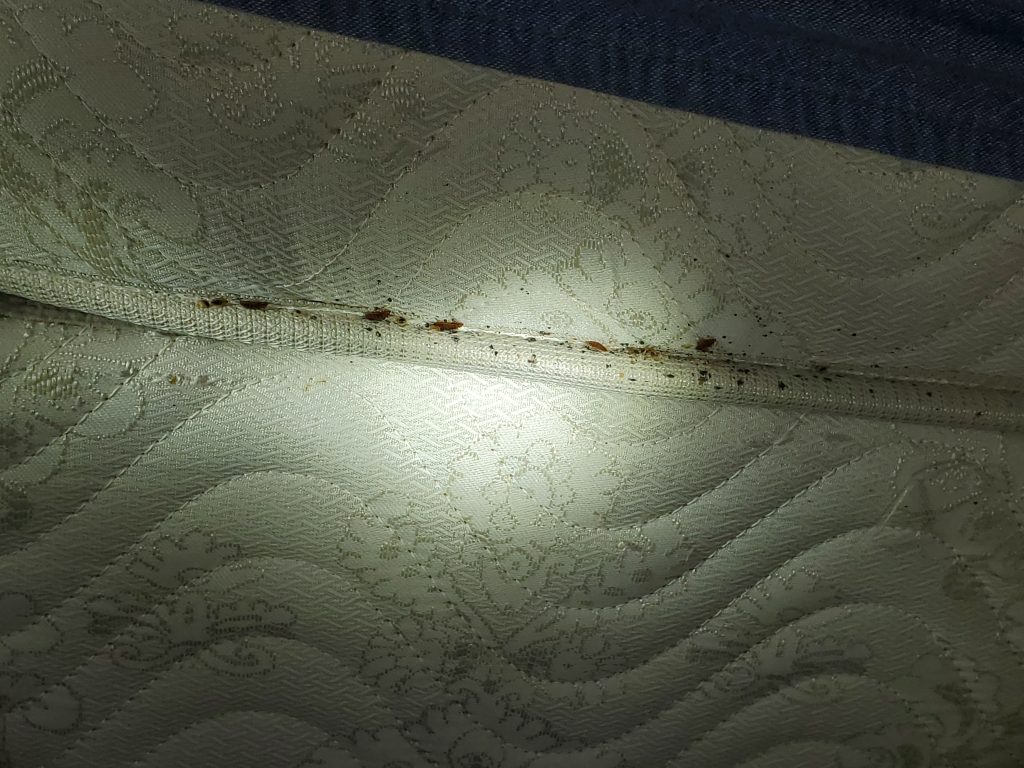
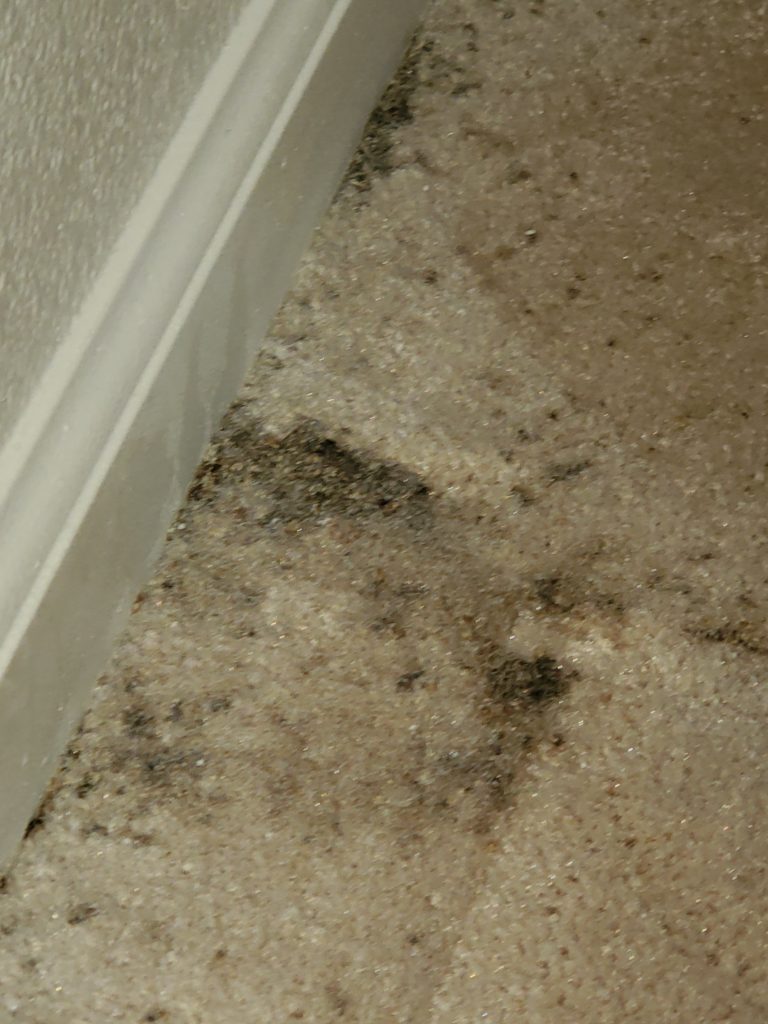
Some Pictures of Bed Bug Infestations/Nesting Places... They have been found in MANY More places than pictured below...