

Wood Destroying Insect Inspection
Our trained technicians will inspect your home or business to locate any wood destroying beetles or evidence present or existing damage from wood destroying pests.

Treatment Options
We will then offer you treatment options based on our findings during the inspection. There are many species of Wood Destroying Beetles in West Virginia and they can require different service approach and/or follow-up.

Ongoing Protection
We utilize premium pest products to ensure effective control and long lasting results. We provide a re-treatment guarantee with our services and offer a 365 Guarantee with any pest plan.

Pest Prevention Assessment
Pest Control WV will conduct a thorough inspection and treatment, detailing any customer intervention necessary for control. For a more comprehensive report you may also purchase a
or a
Wood Destroying Beetles can do a lot of damage, Quickly. Call Today.
Wood Destroying Beetles can wreak havoc on a home from the inside out. If you see fine powdery "saw dust" or frass, you may be experiencing an issue with Old House Borers, or Powder post Beetles and/or other wood destroying beetle species. Whatever the pest may be, if they're destroying the structural wood of your property, we will help to find them, and stop them in their tracks. Pest Control WV offers treatments for the toughest wood destroying pests. Text Us, and protect your home Termites and more.
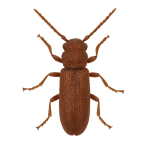
Powderpost Beetles (Lyctidae, Bostrichidae, Anobiidae families): These are the most common, targeting hardwoods like oak, ash, and hickory, often leaving behind a fine, talcum-powder-like dust.
Some examples of other Wood Destroying Beetles covered
- Anobiid Powderpost Beetles: These feed on both hardwoods and softwoods and are commonly found in damp areas like crawl spaces, often infesting older homes.
- Old House Borer (Hylotrupes bajulus): Primarily feeds on softwood timber, such as pine.
- Long-horned Beetles (Cerambycidae family): Known for causing significant damage to wood, including structural wood.
- Bark Beetles/Weevils: Tiny, reddish-brown to black beetles often found in firewood that can enter homes
WOOD-DESTROYING BEETLE CONTROL IN WEST VIRGINIA
Wood-destroying beetles are a common — and frequently misidentified — structural pest in West Virginia. Unlike termites, which eat wood continuously, wood-destroying beetles spend most of their life cycle as larvae tunneling inside the wood, emerging as adults only briefly. The small, round exit holes they leave behind are often the first indication of a long-standing problem.
COMMON WOOD-DESTROYING BEETLES IN WV
Powderpost Beetles (Lyctus and Anobium species) infest hardwoods such as oak, hickory, walnut, and ash — common building materials in WV homes. They leave behind very fine, flour-like frass and 1/16 to 1/8 inch exit holes. Old House Borers (Hylotrupes bajulus) infest softwood structural lumber (pine, spruce, fir) and are most common in newer homes with green lumber or kiln-dried wood that was not fully dried. They leave oval exit holes and coarse, pellet-like frass. Bark Beetles are typically a sign of wood used with bark still attached or green wood that was incorporated into the structure.
SIGNS OF AN ACTIVE INFESTATION
- Small round or oval exit holes in wood surfaces
- Fine powder (frass) that looks like flour or sand falling from holes or accumulating below
- A faint ticking or rasping sound in walls or wood during quiet nights (larval feeding)
- Fresh frass that is cream-colored (older frass turns darker and compacts over time)
WHERE TO INSPECT
Focus on structural framing in crawlspaces, attics, and basements — especially any wood that may have been installed green or improperly dried. Also inspect hardwood flooring, furniture, decorative timbers, wood paneling, and antique items for exit holes and frass.
HOMEOWNER PREVENTION TIPS
1. Ensure all lumber used in construction or renovation projects is properly kiln-dried.
2. Maintain low humidity levels in crawlspaces and attics — high humidity is the primary condition enabling re-infestation.
3. Finish or seal raw wood surfaces (painting, varnishing, or waxing prevents egg-laying).
4. Inspect antique furniture before bringing it into a home — active infestations can spread to structural wood.
5. Store unused lumber off the ground and in a dry location.
HOW WE TREAT WOOD-DESTROYING BEETLES
Treatment depends on the species, the extent of infestation, and the type of wood affected. Pest Control WV inspects for active infestations (exit holes with fresh frass), identifies the species, and recommends the appropriate treatment — which may include surface residual treatments, boron-based wood preservatives, or in severe cases, fumigation referrals. We also provide WDI (Wood Destroying Insect) inspection reports required for real estate transactions.
Some examples of areas covered
- Pest Control in Residential Homes
- Pest Control In Air BnB and Rental Homes
- Pest Control in Apartments and Multi-Unit Housing
- Pest Control In Care Homes and Medical Facilities
- Pest Control in Club Houses and Halls
- Pest Control in Convenience Stores and Quick Service
- Pest Control in Courthouses and Government Buildings
- Pest Control In Factories and Warehouses
- Pest Control in Firehouses and Police Stations
- Pest Control in Food Production and Service
- Pest Control in Funeral Homes and Places of Worship
- Pest Control in Offices and Public Buildings
- Pest Control in Shopping Plazas and Storefronts
- and more...
Did you Know?
Wood-destroying beetles in West Virginia, particularly powderpost beetles, frequently target hardwood products like oak, ash, walnut, and hickory, often leaving small, round "shot holes" in timber. These pests thrive in damp areas, such as basements and crawl spaces, with infestations often signaled by a fine, powdery frass.